
Diseases
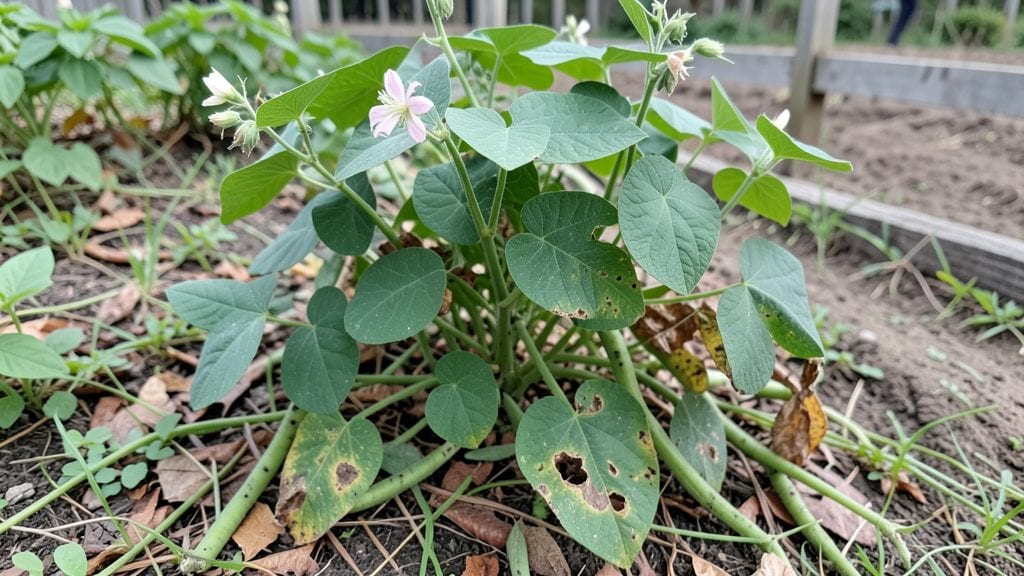
Green bean plant diseases can turn your lush vines into a sad, spotted mess if you don’t catch them early. 🌱 I’ve watched my own plants go from thriving to struggling in just a few weeks—until I learned to spot the warning signs and act fast.
The key is knowing what to look for before the damage spreads.
Most problems start with moisture or poor airflow—think crowded plants or water splashing on leaves. Bacterial blight shows up as yellow, wilted spots, while powdery mildew coats leaves in a fuzzy white layer.
Anthracnose? Dark, sunken patches that spread like wildfire. The good news? Organic fixes like neem oil, copper spray, and better spacing can save your crop if you act before the disease takes over.
You’ll learn to recognize these diseases in minutes, not days, and how to treat them without harsh chemicals. Your beans will stay crisp, productive, and free of those ugly blemishes. Let’s get your plants back to their best—and keep them that way all season.
Whether you’re dealing with a small backyard patch or a larger plot, these solutions work for any green bean variety. The secret is prevention, but when problems pop up, you’ll know exactly what to do. No more guessing—just healthy, happy plants.
Root Causes of Bean Blight
Green bean plants are resilient, but they’re not invincible—especially when it comes to diseases. Understanding why these issues flare up is the first step to stopping them in their tracks. Let’s break down the science behind the most common culprits, from sneaky pathogens to environmental red flags.
Fungi like Anthracnose and Rust thrive in damp, crowded conditions. Here’s how they hijack your beans:
- Excessive humidity: Fungi spread via spores that splash from soil or plant debris when leaves are wet (e.g., after rain or overhead watering). Pro tip: Aim for 10–12 hours of dry foliage daily to starve spores.
- Poor airflow: Dense plantings or thick vines block circulation, trapping moisture. Actionable fix: Space plants 4–6 inches apart and prune vines to improve airflow.
- Contaminated soil: Old crop residue or compost with fungal spores (e.g., Fusarium) can reinfect new plants. Solution: Solarize soil in summer or use a 3-year crop rotation with non-legumes.
💡 Fun fact: Some fungi, like Colletotrichum, lie dormant in seed coats—so disinfect seeds with a 10% bleach solution (90 sec soak) before planting.
Insects don’t just munch leaves—they create wounds that let diseases slip in. Key pests to watch:
| Pest | How It Weakens Plants | Disease Link |
|---|---|---|
| Japanese beetles | Chewing leaves creates entry points for bacterial blight. | Pseudomonas syringae |
| Aphids | Excrete honeydew, promoting sooty mold (a fungal hitchhiker). | Capnodium spp. |
| Bean beetles | Larvae burrow into stems, blocking nutrient flow and stressing plants. | Root rot (from weakened roots) |
🔥 Pro tip: Use neem oil or kaolin clay as a barrier—it repels pests and reflects sunlight to deter fungal growth.
Diseases often exploit environmental stress. Here’s how climate and soil play villain:
- Temperature swings:
- Cool nights (<50°F) + warm days (>85°F) = perfect Anthracnose conditions.
- Frost damage cracks stems, inviting bacterial infections.
- Nutrient imbalances:
- Too much nitrogen = lush foliage but weak stems (prone to stem canker).
- Low phosphorus = poor root strength, making plants vulnerable to Fusarium wilt.
- Compacted soil: Poor drainage = root rot. Test soil pH—aim for 6.0–7.0 for beans.
✨ Action step: Mulch with straw or wood chips to regulate soil temp and retain moisture without suffocating roots.
Even well-meaning gardeners spread diseases accidentally. Common mistakes:
- Reusing tools: Pruners or trellises contaminated with bacterial blight can infect new plants. Fix: Sterilize with 70% rubbing alcohol or bleach water (1:10 ratio).
- Overhead watering: Splashes spread Rust spores like wildfire. Upgrade: Use drip irrigation or soaker hoses.
- Ignoring resistant varieties: Some beans (e.g., ‘Blue Lake Bush’) are bred to fight Anthracnose. Do: Check seed packets for disease-resistant labels.
🎯 Remember: Diseases don’t discriminate—prevention starts with clean habits and smart plant choices.
How to Fix It Naturally
Now that you’ve identified the issue plaguing your green beans, it’s time to take action! The good news is that most common green bean plant diseases can be managed—or even prevented—with simple, organic methods.
Below, we’ve matched each problem to a step-by-step solution, plus prevention tips to keep your plants thriving. No harsh chemicals required!
Fix:
- 🍄 Prune and Remove Infected Leaves
- Snip off yellowing, spotted, or powdery leaves with sterilized scissors (wipe with rubbing alcohol between cuts).
- Dispose of them in the trash—not the compost—since fungi can survive there.
- 💦 Improve Airflow & Reduce Moisture
- Space plants 12–18 inches apart to prevent humidity buildup.
- Water at the base (not overhead) in the early morning so foliage dries quickly.
- 🌿 Apply Organic Fungicides - Baking soda spray: Mix 1 tsp baking soda + 1 tbsp vegetable oil + 1 tsp mild soap in 1 quart of water.
Spray leaves every 7–10 days. - Neem oil: Dilute 1 tbsp neem oil + 1 tsp soap in 1 quart of water. Spray weekly for prevention.
- 🌡️ Boost Soil Health
- Add compost or well-rotted manure to strengthen plant immunity.
- Avoid nitrogen-heavy fertilizers, which encourage soft, fungus-loving growth.
💡 Prevention Tip: Rotate crops yearly—never plant beans in the same spot two years in a row to break fungal cycles.
Fix:
- 🔪 Cut Out the Problem
- Remove all infected leaves and pods immediately. Bacteria spread fast!
- Clean tools with bleach or alcohol after each cut.
- 🚰 Adjust Watering Habits
- Water only when the top inch of soil is dry—soggy soil invites bacteria.
- Use drip irrigation instead of sprinklers to keep leaves dry.
- 🧴 Copper Spray (Organic Option)
- Mix 1 tbsp copper sulfate (or a commercial organic copper fungicide) in 1 gallon of water. Spray every 5–7 days until symptoms fade.
- 🌱 Strengthen Plants Proactively
- Hardening off seedlings gradually before transplanting reduces stress.
- Mulch with straw to prevent soil splashing onto leaves.
✨ Pro Tip: If bacteria strike, harvest healthy pods early—don’t wait for full maturity if the plant is struggling.
Fix:
- 🚫 Remove Infected Plants Immediately
- Viruses cannot be cured—pull the whole plant (including roots) to stop spread.
- Bag and discard infected plants—do not compost.
- 🐞 Control Pests (Virus Vectors)
- Aphids & whiteflies spread viruses. Blast them off with soapy water (1 tsp mild soap per quart).
- Introduce ladybugs or lacewings for natural pest control.
- 🌱 Quarantine New Plants
- Inspect every new seedling or transplant for unusual patterns before adding to your garden.
- Buy from reputable nurseries that test for viruses.
- 🔄 Rotate Crops & Clean Tools
- Follow a 3-year crop rotation—never plant beans (or other legumes) in the same spot.
- Sterilize tools between uses with bleach or fire.
🎯 Prevention Tip: Plant marigolds or nasturtiums nearby—they repel aphids and deter pests naturally.
Fix:
- 💧 Fix Watering Woes
- Stop watering until the top 2 inches of soil are dry—overwatering suffocates roots.
- Use well-draining soil (amend with perlite or sand if needed).
- 🌿 Improve Drainage
- Raise beds or add gravel at the bottom of containers.
- Avoid planting in low-lying areas where water pools.
- 🍄 Apply Beneficial Fungi
- Sprinkle mycorrhizal fungi (available at garden centers) on roots to outcompete harmful pathogens.
- 🌱 Transplant Carefully
- If seedlings are damping-off, plant deeper (but not too deep—leave cotyledons above soil).
- Use sterilized potting mix (bake soil at 180°F for 30 minutes to kill pathogens).
🔥 Emergency Fix: If roots are mushy and black, trim healthy sections and replant in fresh, dry soil.
No matter the issue, stop future problems with these habits:
- 🌱 Rotate crops (beans → tomatoes → brassicas → back to beans in 3+ years).
- 🧹 Clean up debris after harvest—fungi and bacteria love old plant matter.
- 🌿 Test your soil—pH imbalances (too acidic/alkaline) weaken plants.
- 🐝 Encourage biodiversity—healthy ecosystems resist pests and diseases naturally.
Final Thought: Most green bean diseases are manageable with quick action and prevention. The key? Catch issues early, act fast, and keep your garden ecosystem balanced. Your next harvest will thank you! 🌿🍲
Frequently asked questions
How do I tell if my green beans have a fungal or bacterial infection?
Fungal infections (like powdery mildew or anthracnose) usually show up as white, gray, or brown patches on leaves or stems, often with a fuzzy texture. Bacterial issues (such as blight) create water-soaked, yellow spots that ooze when touched. Check for wilting—fungi often cause gradual yellowing, while bacteria make leaves collapse suddenly.
Can I still harvest beans from plants showing early signs of disease?
Yes, but only if the pods themselves are healthy. Remove any spotted, discolored, or mushy pods immediately. For fungal issues, harvest early—pods won’t ripen properly if the plant is stressed. With bacterial infections, pick healthy pods first and destroy infected ones to stop spread.
What’s the fastest way to stop powdery mildew from spreading?
Prune infected leaves first, then spray with a 1:1:20 mix of baking soda, oil, and water (add a drop of soap). Repeat every 5–7 days and improve airflow by spacing plants 12+ inches apart. Avoid watering leaves—aim for the soil instead to keep foliage dry.
Will my green beans recover if I treat a disease late in the season?
Probably not for a full harvest, but you can still salvage some pods. Focus on removing infected parts and using copper spray or neem oil to slow spread. For next season, rotate crops and sterilize tools. Late-season plants may produce fewer beans, but treating aggressively can prevent total loss.
Are there any green bean varieties that naturally resist diseases?
Look for varieties labeled ‘Anthracnose-resistant’ or ‘disease-tolerant’, like ‘Blue Lake Bush’ or ‘Contender’. These are bred to fight common fungal and bacterial issues. Always check seed packets—resistant types cost slightly more but save headaches (and beans!) long-term.