
Propagation
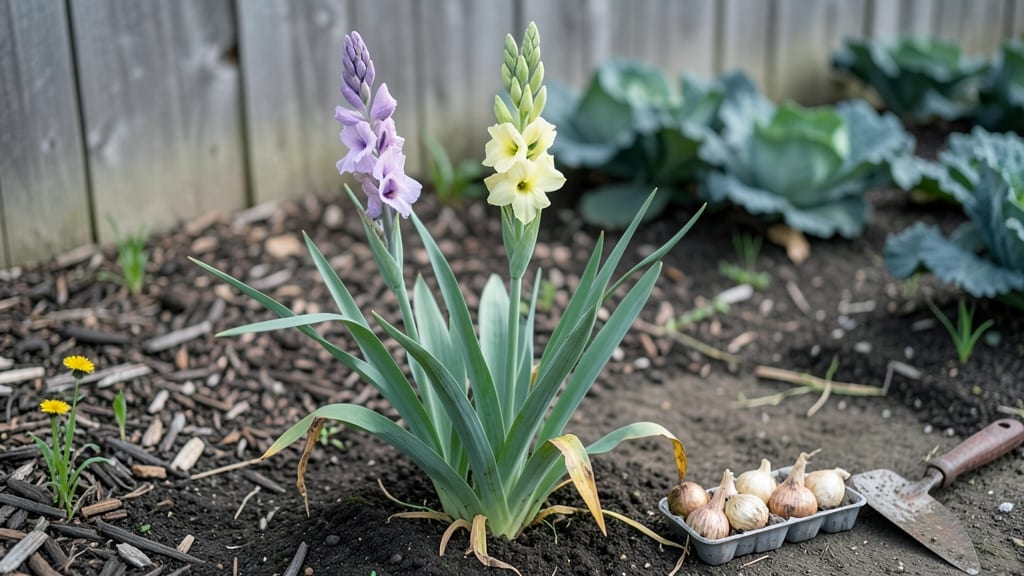
Planting gladiolus seeds requires patience and precision to unlock those dramatic summer spikes of color. 🌱 I’ve watched them go from tiny seeds to 5-foot-tall blooms, and the secret isn’t just timing—it’s creating the perfect conditions for their deep, layered roots to establish.
Most gardeners rush this step, but gladiolus seeds need warmth, moisture, and just the right soil texture to break dormancy.
The process starts with soil that’s light yet fertile—think crumbly, well-draining mix with a touch of compost. Plant seeds only ½ inch deep in rows spaced 12 inches apart, and keep them in a warm spot until sprouts appear in 2-3 weeks.
Overcrowding is the biggest mistake; give them room to stretch without competing for nutrients. In cooler climates, start seeds indoors 8-10 weeks before your last frost, while warmer zones can direct-sow after soil reaches 60°F.
Once sprouted, you’ll see thick, sword-like leaves pushing through the soil—this is their energy reserve for those towering blooms. Keep the soil consistently moist but never soggy, and fertilize lightly every 4-6 weeks with a balanced formula.
By midsummer, you’ll be rewarded with clusters of vibrant flowers that last 1-2 weeks per stem, and the best part? Each plant can produce 5-10 blooms if cared for properly.
This method works for both garden beds and containers, though larger pots mean deeper planting to accommodate their roots. The key is consistency—gladiolus seeds aren’t fussy, but they do demand reliability in water and warmth. Once you’ve mastered it, you’ll never buy those expensive corms again.
📚 In This Guide
- What you need
- Instructions
- Tips and common mistakes
- Wrapping up and next steps
What you need
- ● Gladiolus seeds – Choose high-quality, fresh seeds (preferably Corms for faster growth, but seeds work too!). Aim for 10–20 seeds per planting area.
- ● Well-draining potting mix – A blend of 50% garden soil, 30% perlite/sand, and 20% compost (sterilized to prevent disease). Avoid heavy clay.
- ● Containers or seed trays – Use 3–4 inch deep pots (for individual seeds) or flat trays with drainage holes (for bulk planting).
- ● Seed-starting soil or coco coir – Lightweight and sterile for early germination (1–2 lbs per tray).
- ● Plant labels & marker – To track varieties (especially if planting multiple types).
- ● Misting bottle or spray nozzle – For gentle watering (no overhead soaking!).
- ● Clear plastic wrap or humidity dome – To retain moisture during germination.
- ○ Grow lights (optional but helpful) – A full-spectrum LED (12–16 hrs/day) for indoor starts or early seedlings.
- ● Sunny garden spot – 6+ hours of direct sunlight daily (gladiolus loves the heat!).
- ● Loose, fertile soil – Amend with 2–3 inches of compost or balanced 10-10-10 fertilizer before planting.
- ○ Stakes or trellis (optional) – Tall varieties (3–5 ft) may need support as they grow.
- ● Mulch (straw or shredded leaves) – 1–2 inches to retain moisture and suppress weeds.
- ○ 💡 Pre-soak seeds (optional): Soak in lukewarm water for 4–6 hours before planting to speed up germination.
- ● 🌡️ Ideal temps: Keep soil between 65–75°F (18–24°C) for germination (use a seedling heat mat if indoors).
- ● ✨ Sterilize tools: Wipe containers and tools with rubbing alcohol to prevent fungal issues.
Step-by-Step guide for planting gladiolus seeds
Here's how to cultivate these striking summer blooms with precision and patience.
🌱 Step 1: Start Seeds Indoors for Early Growth
Gladiolus seeds need warmth to germinate, so begin indoors 8-10 weeks before your last frost date. Fill 2-inch-deep seed trays with the sterile seed-starting mix (not garden soil—it’s too dense). Moisten the mix until it’s damp but not soggy, then press it down lightly to create a firm surface for seeds.
Plant seeds ½ inch deep, spacing them 1 inch apart in rows. Cover lightly with additional mix to protect them from drying out. Place the trays in a warm spot—70-75°F is ideal—using a seedling heat mat if needed. Germination can take 14-21 days, so be patient. Keep the soil consistently moist but never waterlogged, as gladiolus seedlings are prone to damping-off if conditions are too wet.
💧 Step 2: Provide Light and Transplant Seedlings
Once seedlings emerge, move them to a bright, sunny window or under grow lights for 14-16 hours daily. Gladiolus seedlings need strong light to prevent leggy growth. If you notice stems stretching toward the light or leaves turning pale, adjust the light source within 6 inches of the plants.
When seedlings develop 3-4 true leaves (about 4-6 weeks after sowing), harden them off by gradually exposing them to outdoor conditions over 7-10 days. Start with 1-2 hours in a sheltered spot, then increase exposure daily. Once hardened off, transplant them into individual 4-inch pots filled with the potting mix, burying them up to their first set of leaves to encourage strong stem development.
☀️ Step 3: Prepare Outdoor Beds for Planting
Choose a sunny location with full sun exposure (at least 6-8 hours daily). Gladiolus thrives in well-draining soil, so amend the bed with compost if your soil is heavy or clay-like. Space planting holes 6-8 inches apart in rows 18-24 inches apart to allow for airflow and future growth.
Dig holes 2-3 inches deep, then place each seedling into a hole, ensuring the soil level matches the pot’s surface. Firm the soil gently around the base to eliminate air pockets. Water deeply immediately after planting to settle the soil and encourage root establishment. Mulch the bed with 1-2 inches of mulch to retain moisture and suppress weeds, but avoid piling mulch directly against the stems.
✂️ Step 4: Maintain and Support for Towering Blooms
Water gladiolus deeply 1-2 times weekly, ensuring the soil remains evenly moist but not waterlogged. These plants are drought-tolerant once established, but consistent moisture is key during the first 4-6 weeks after transplanting. Fertilize lightly with a balanced, water-soluble fertilizer (10-10-10) every 4-6 weeks to promote strong foliage and blooms.
As stems grow, insert stakes or supports (like bamboo stakes or wire cages) into the soil beside each plant. Gladiolus can reach 3-5 feet tall, so sturdy supports prevent stems from bending or snapping under the weight of blooms. Remove spent flower spikes to redirect the plant’s energy into producing more blooms rather than seeding.
Tips & tricks for perfect gladiolus seed planting
A few strategic moves will transform your gladiolus seeds from fragile starts into show-stopping summer blooms. These are the insights I wish I'd known before my first failed attempt.
The Warmth Factor: That 70-75°F temperature range in Step 1 isn't just ideal—it's critical. Use a seedling heat mat if your home stays cooler than 70°F, especially during the first 14-21 days while germination occurs. I learned this the hard way after watching seeds sit stubbornly in damp soil for weeks without sprouting. The difference between 68°F and 72°F can mean the difference between success and disappointment.
Lighting Strategy: Don't underestimate those 14-16 hours of light in Step 2. If your windows aren't sufficient, invest in a basic grow light—even a simple T5 fluorescent bulb will work. Position it within 6 inches of the seedlings to prevent that classic "leggy" growth where stems stretch painfully toward the light. I've seen seedlings go from sturdy little plants to weak, spindly shadows in just 48 hours when light conditions were inadequate.
Transplanting Technique: When moving seedlings to individual 4-inch pots in Step 2, bury them up to their first set of true leaves. This might seem counterintuitive, but it encourages stronger root development at the stem base. I've noticed plants treated this way develop thicker stems capable of supporting those 3-5 foot blooms without flopping over. The key is to be gentle—gladiolus roots are delicate and can be easily damaged.
Outdoor Transition: The 7-10 day hardening process in Step 2 is where most beginners rush the process. Start with just 1-2 hours in sheltered conditions on the first day, then gradually increase exposure. I've seen seedlings go from thriving indoors to crispy, wilted messes overnight when moved too quickly to full sun. The goal is to let them acclimate to outdoor conditions without shock—think of it as their first summer camp, not boot camp.
Pro Tips for Gladiolus Seeds Planting
- A few strategic moves will transform your gladiolus seeds from fragile starts into show-stopping summer blooms.
- The Warmth Factor: That 70-75°F temperature range in Step 1 isn't just ideal—it's critical.
- Lighting Strategy: Don't underestimate those 14-16 hours of light in Step 2.
Frequently asked questions
Got questions about growing gladiolus from seeds? You’re not alone! Here are some of the most common queries—and their answers—to help you cultivate stunning summer blooms with confidence.
When is the best time to plant gladiolus seeds?
Gladiolus seeds thrive in warm soil, so aim to plant them 4–6 weeks after your last frost date (typically late spring to early summer). If your climate stays cool, opt for container planting to control soil temperature. Seedlings are slow to germinate—be patient, as they may take 3–6 weeks to sprout!
How long does it take for gladiolus seeds to grow into flowers?
Gladiolus grown from seed is a multi-year project! In the first year, focus on establishing healthy foliage. Flowering usually occurs in the second year (or even later), depending on variety and growing conditions. For faster blooms, consider buying mature corms instead of seeds.
What’s the ideal temperature for germinating gladiolus seeds?
Seeds need consistent warmth (70–80°F or 21–27°C) to germinate. If your soil is too cool, try starting seeds indoors 6–8 weeks before transplanting. Use a heat mat or place pots near a sunny window. Avoid letting soil dry out—keep it moist but not soggy for best results.
Why aren’t my gladiolus seeds sprouting? Troubleshooting tips.
Slow or no germination? Check these common issues:
- Cold soil – Seeds need warmth to activate. Try a seedling heat mat or wait for warmer temps.
- Old or low-quality seeds – Gladiolus seeds lose viability quickly. Use fresh seeds (<1 year old) for best success.
- Over/under-watering – Keep soil evenly moist but well-draining. Damping off (fungal rot) can occur if pots stay too wet.
- Poor light – Seedlings need bright, indirect light. Move trays to a sunny windowsill or use grow lights.
Can I grow gladiolus from seeds in containers?
Containers are ideal for seed-starting because they give you control over soil warmth and drainage. Use 5–6 inch pots with well-draining potting mix. Place them in a sunny spot (6+ hours of light daily) and transplant seedlings outdoors after the last frost. Just ensure containers have drainage holes to prevent root rot.
Wrapping up and next steps
Growing gladiolus from seeds is a rewarding journey that brings stunning vertical blooms to your garden! With the right soil, patience, and care, you’ll soon enjoy vibrant summer flowers that turn heads. Remember, consistency is key—whether you’re starting indoors or sowing directly, watch those seedlings thrive!
Ready to dive in? Grab your seeds, tools, and a sunny spot—your garden’s next masterpiece awaits! 🌱✨ Start planting today and share your progress with fellow gardeners.