
Pruning
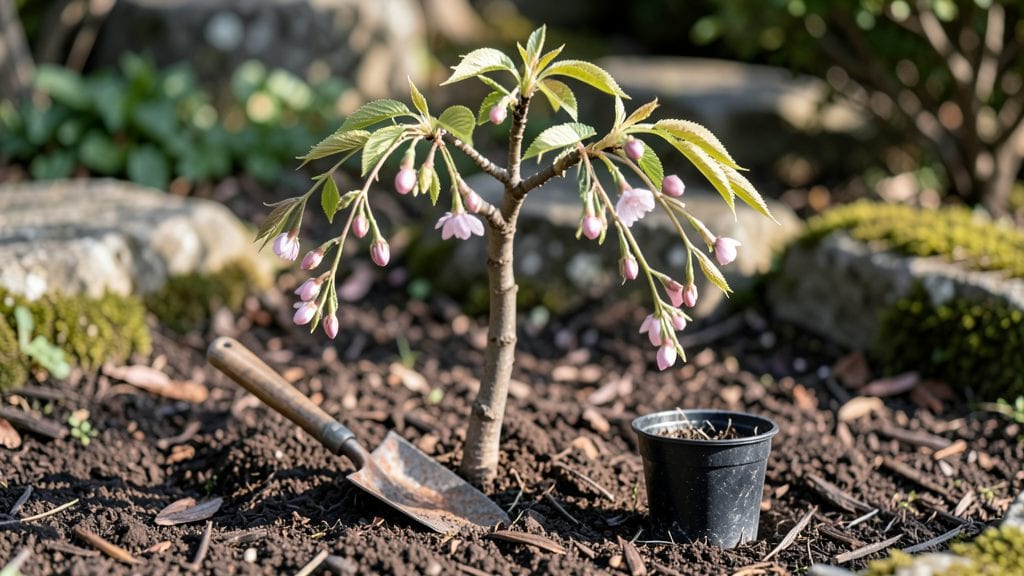
Planting a sakura tree means welcoming delicate pink clouds to your yard every spring—if you time it right. 🌸 I learned the hard way that planting too late can leave the tree struggling through winter, while early planting gives roots time to establish before cold sets in.
The secret lies in choosing the perfect window between late fall and early spring, when the ground is workable but not frozen.
You’ll need a sunny spot with at least 6 hours of light daily, well-draining soil (sakuras hate soggy roots), and a hole twice as wide as the root ball.
Amend heavy clay with compost to help water drain, and avoid planting near sidewalks or driveways—these trees grow 20-30 feet tall and need room to spread. The right location sets the stage for years of effortless blooms.
After planting, water deeply to settle the soil, then mulch around the base to lock in moisture and keep roots cool. In the first year, keep the soil consistently moist but never waterlogged—sakuras are tough but not swamp plants.
By spring, you’ll see fresh green leaves pushing through, and within 3-5 years, those iconic blossoms will transform your yard into a dreamy pink paradise.
Here’s where it gets interesting—pruning in late winter (before buds swell) shapes the tree for better blooms next season. Cut back dead wood first, then thin crowded branches to let light reach the center.
The goal? A strong structure that supports heavier-than-you-think flower clusters. With this timing, your sakura won’t just survive—it’ll thrive.
📚 In This Guide
- What you need
- Instructions
- Tips and common mistakes
- Wrapping up and next steps
What you need
- ● Sakura tree sapling: Choose a Prunus serrulata (Japanese cherry) or hybrid variety (e.g., 'Kwanzan' or 'Somei-Yoshino'). Opt for a 1- to 3-gallon container-grown tree (1–3 feet tall) for best establishment.
- ● Shovel or trowel: A round-point shovel (for digging) or a hand trowel (for smaller holes).
- ● Native soil or potting mix: Well-draining, slightly acidic soil (pH 5.5–6.5). Amend heavy clay with compost or sand.
- ● Organic mulch: 3–4 inches of wood chips or shredded bark (keep 6 inches away from the trunk).
- ● Watering can or hose with a gentle spray nozzle.
- ● Garden gloves: Heavy-duty to protect hands from thorns and soil.
- ○ Staking kit (optional but recommended for young trees): Includes 2–3 wooden stakes and flexible tree ties.
- ● Slow-release fertilizer: 10-10-10 NPK or a balanced organic fertilizer (apply in early spring).
- ● Tree collar guard: Protects the trunk from lawnmower damage.
- ● Soil moisture meter: Ensures your sakura stays hydrated without overwatering.
- ● Pruning shears: Bypass pruners (for shaping after planting).
- ● Drip irrigation system: Automates watering for consistent moisture.
Step-by-step instructions for planting a sakura tree
Here's how to plant your sakura tree for vibrant, long-lasting blooms every spring.
🌱 Step 1: Choose the Right Location and Timing
Sakura trees thrive in full sun—at least 6 hours of direct sunlight daily. Look for a spot with well-draining soil and room to grow, since mature sakura trees can reach 30-40 feet tall. Early spring or fall is ideal for planting, when temperatures are mild (40-60°F) and the tree can establish roots without stress.
I always check the soil first by digging a 6-inch hole—if water pools instead of draining within an hour, you’ll need to amend the soil with compost or plant in a raised bed. Sakura trees hate soggy roots, so drainage is non-negotiable.
🪴 Step 2: Dig the Hole and Prepare the Root Ball
Dig a hole twice as wide as the root ball but no deeper. This gives roots room to spread without sinking too low. Gently loosen the root ball by teasing apart any circling roots with your fingers—this encourages outward growth instead of a tangled mess.
If your sakura comes in a container, soak the root ball for 10-15 minutes before planting to rehydrate it. I like to add a handful of slow-release fertilizer to the bottom of the hole for a nutrient boost, but skip this if your soil is already rich.
💧 Step 3: Plant and Water Thoroughly
Place the tree in the hole so the top of the root ball sits 1-2 inches below the surrounding soil level. This prevents the trunk from sitting too high and drying out. Backfill with native soil, pressing gently to remove air pockets but not compacting too tightly.
Water deeply right after planting—5-10 gallons—until the soil is evenly moist 12 inches down. You’ll know it’s right when water drains away without pooling. Mulch the base with 2-3 inches of organic mulch, keeping it 6 inches away from the trunk to prevent rot.
☀️ Step 4: Prune for Shape and Health
Prune immediately after planting to remove any broken or crossing branches. Use clean, sharp pruners to make cuts at a 45-degree angle just above a bud or branch collar. Sakura trees bloom on old wood, so avoid heavy pruning in early spring—just shape lightly to encourage an open canopy.
Watch for new growth in spring as a sign your tree is settling in. If branches grow too close together, thin them out to improve airflow and reduce disease risk. I always prune again in late winter (before buds swell) to maintain shape and remove dead wood.
⏰ Step 5: Maintain Through the First Year
Water deeply once a week during the first growing season, more often in dry spells. You’ll know it’s time when the top 2-3 inches of soil feel dry. Avoid overhead watering to prevent fungal diseases—stick to a soaker hose or drip irrigation at the base.
Fertilize lightly in early spring with a balanced, slow-release fertilizer (10-10-10 ratio). Too much nitrogen now will encourage leafy growth at the expense of next year’s blooms. By fall, your sakura should look sturdy with no signs of stress—then you’re on track for stunning spring flowers.
Tips & tricks for perfect sakura tree planting
Here's what I wish I'd known before planting my first sakura tree—these tricks make all the difference for long-lasting blooms.
Sunlight Secret: Those 6 hours of direct sunlight are non-negotiable, but here's the thing: morning sun is gentler than afternoon heat. If your location gets intense afternoon sun, consider planting on the east side of your property. I've seen sakura trees struggle in full afternoon sun—leaves burn before the roots can establish properly. Also, watch for nearby structures or trees that might cast shade as the tree grows to its 30-40 foot maturity.
Soil Test Tip: Before planting, do this quick test: dig that 6-inch hole and fill it with water. If it drains completely within an hour, you're good to go. If not, mix in compost or perlite until you achieve proper drainage. I learned this the hard way—my first sakura nearly died from soggy roots despite my best efforts. The 1-2 inches below soil level placement becomes critical when drainage is questionable.
Root Ball Rescue: When you're loosening those circling roots in Step 2, don't just pull at them—gently separate with your fingers. I use a butter knife to carefully tease apart any tight knots. For container-grown trees, that 10-15 minute soak is crucial. I've seen root balls dry out completely in transit—if yours feels dry, soak longer. Pro tip: Add a handful of slow-release fertilizer to the hole bottom only if your soil test shows low nutrients. Rich soil might not need it!
Watering Wisdom: After that initial 5-10 gallon soak, check moisture by sticking your finger 2-3 inches down—that's your watering trigger. I've found that drip irrigation right at the base works best. The 2-3 inches of mulch helps retain moisture, but keep it 6 inches away from the trunk to prevent rot. Overhead watering can actually cause fungal issues, so avoid sprinklers.
Pro Tips for Sakura Tree Planting
- Here's what I wish I'd known before planting my first sakura tree—these tricks make all the difference for long-lasting blooms.
- Sunlight Secret: Those 6 hours of direct sunlight are non-negotiable, but here's the thing: morning sun is gentler than afternoon heat.
- Soil Test Tip: Before planting, do this quick test: dig that 6-inch hole and fill it with water.
Frequently asked questions
Got questions about planting and caring for your sakura tree? Here are some of the most common ones—plus expert answers to help you grow a stunning, long-blooming tree!
When is the best time to plant a sakura tree?
The ideal time to plant a sakura tree is in early spring or fall, when temperatures are mild (50–60°F). This gives roots time to establish before extreme heat or cold. Avoid planting in late fall or winter, as frost can damage young trees. If you must plant in summer, water deeply and provide shade to reduce stress.
How deep and wide should I dig the hole for my sakura tree?
Dig a hole twice as wide as the tree’s root ball but no deeper—planting too deep can suffocate roots. The top of the root ball should sit 1–2 inches above ground level to prevent waterlogging. Loosen the soil at the bottom of the hole to encourage root spread. Pro tip: Amend native soil with compost for better drainage if your area has heavy clay.
How often should I water a newly planted sakura tree?
Water deeply 2–3 times per week for the first year, soaking the soil to a depth of 12–18 inches. After that, reduce to once a week (or more in droughts). Mature trees need 1–2 inches of water per week, but avoid soggy soil—sakuras hate "wet feet." Mulch around the base (but not touching the trunk) to retain moisture and regulate temperature.
Can I prune a sakura tree right after planting?
Light pruning is fine after planting to remove damaged branches or shape the tree, but avoid heavy cuts. Wait until late winter or early spring (before buds swell) for major pruning. Sakura trees bloom on old wood, so pruning in fall or winter risks cutting off next year’s flowers. Focus on removing dead, crossing, or weak branches to encourage airflow.
What if my sakura tree isn’t blooming?
Lack of blooms often stems from improper pruning (cutting flower buds) or insufficient sunlight (sakuras need 6+ hours of full sun daily). Ensure your tree gets adequate winter chilling (300–500 hours below 45°F)—some varieties need this to trigger blooms. If it’s young, be patient! Mature trees (10+ years) typically bloom most reliably. Fertilize lightly in early spring with a balanced, slow-release formula to support growth.
Are there sakura tree alternatives for smaller yards?
If space is limited, consider dwarf sakura varieties like ‘Shimono’ (10–15 ft tall) or ‘Kanzan’ (20–25 ft). For even smaller areas, try ornamental cherries like ‘Autumn Brilliance’ (compact, fall color) or ‘Snow Fountain’ (weeping branches). Just ensure they get enough sun—sakuras thrive with plenty of light and room to grow!
Wrapping up and next steps
Planting a sakura tree is a rewarding journey that brings beauty and serenity to your space—especially when paired with the right pruning timing. 🌸 Whether you're a seasoned gardener or just starting, understanding the when and how ensures vibrant blooms year after year.
Now that you’re equipped with the essentials, it’s time to roll up your sleeves and give your tree the care it deserves!
Ready to take the next step? Mark your calendar for the optimal pruning windows, gather your tools, and watch your sakura thrive. Your future blooms will thank you! 🌿