
Planting
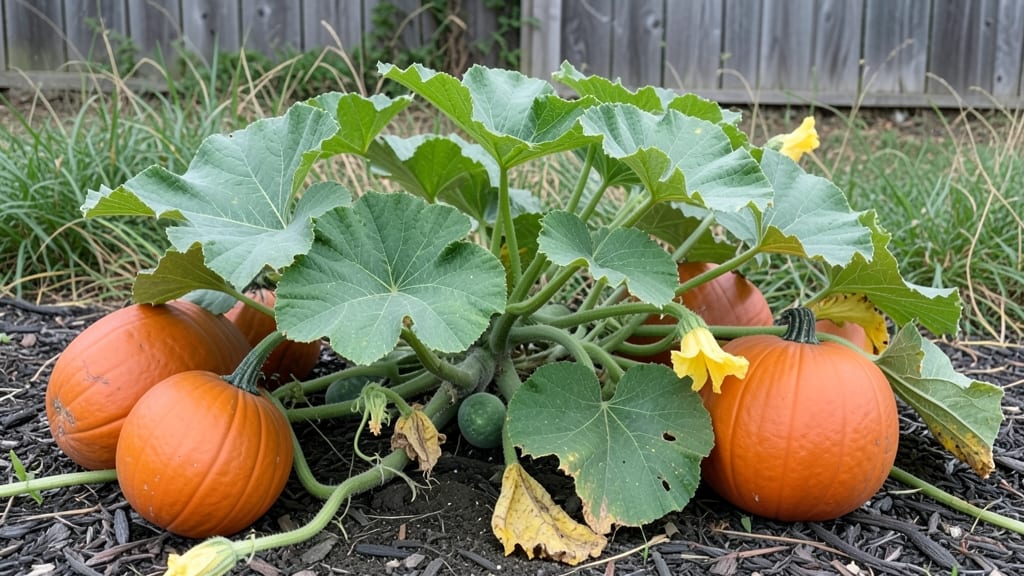
Growing a giant pumpkin plant starts with the right cuts—literally. After years of watching my first attempts wither into sad, stunted vines, I finally cracked the code: strategic pruning turns a lush plant into a record-breaking harvest machine.
The key isn’t just cutting more—it’s cutting smart, at the right time and in the right places, to redirect energy where it matters most.
You’ll need a 20-foot-long variety like Atlantic Giant or Big Max, rich soil with plenty of compost, and a sunny spot with at least 8 hours of direct light daily.
The pruning itself is simpler than it sounds: focus on removing weak stems early, then let the strongest runners take over. Think of it like training a champion—you prune the competition so the star can shine. By midsummer, your vine will sprawl like a green monster, but with purpose.
What you’ll end up with is a 100-pound pumpkin (or more!) that makes your neighbors do a double take. The skin stays thick and tough, the flesh stays sweet, and you’ll have enough to carve, bake, or share for years.
The secret? Timing—prune too early, and you stunt growth; too late, and you lose the window for maximum size. I’ll show you exactly when to make those cuts for foolproof results.
This method works in Zones 4-9, though hotter climates speed up growth. If you’re in a cooler zone, start seeds indoors 6-8 weeks before last frost for a head start.
The same principles apply whether you’re growing for fun or competition—just scale up the space and patience. Let’s get those vines growing strong.
📚 In This Guide
- What you need
- Instructions
- Tips and common mistakes
- Wrapping up and next steps
What you need
- ● Giant pumpkin seeds: Choose certified giant varieties like Atlantic Giant, Dill’s Atlantic Giant, or Howden (10–20 seeds for optimal chances).
- ● High-quality compost: 5–10 gallons (aged, nutrient-rich, and well-draining).
- ● Potting mix or garden soil: 10–20 cubic yards (if planting in-ground) or 5–10 gallons per pot (if container-growing).
- ● Organic fertilizer: 5-10-5 or 10-10-10 NPK ratio (1–2 lbs per plant).
- ● Mulch: Straw or black plastic (50–100 sq. ft. coverage per plant).
- ● Drip irrigation system: 10–20 ft. of tubing + emitters (or a soaker hose).
- ● Trellis or support structure: Heavy-duty stakes (8–10 ft. tall) or a sling system (for vines).
- ● Pruning shears: Sharp, sterilized (for strategic cuts).
- ● Gloves & long sleeves: Heavy-duty for protection (pumpkin vines are thorny!).
- ● Measuring tape: For tracking vine growth and spacing.
- ○ Spray bottle (optional): For foliar feeding (e.g., fish emulsion).
- ○ Pumpkin sling (optional): For lifting heavy fruits off the ground.
- ● Sunlight: Full sun (6–8+ hours daily).
- ● Space: 50–100 sq. ft. per plant (or taller containers for vertical growth).
- ● Warmth: Soil temps above 60°F (15°C) for germination.
- ● Patience: Giant pumpkins take 90–120 days to mature!
How to strategically prune giant pumpkin plants for bigger harvests
Here's the proven method I use to coax those massive, award-winning pumpkins from your vines.
Identify the Main Vine and Remove Weak Growth Early
Within the first 2-3 weeks after germination, your giant pumpkin plant will send out multiple vines. Choose the strongest, most vigorous vine—it should have the thickest stem and darkest green leaves. This will be your main producer. Use clean, sharp pruning shears to cut off any competing vines at the base, leaving only one primary vine.
Real talk: This step is brutal if you love watching vines spread, but those extra vines drain energy from your main pumpkin. I promise you'll see the difference when your single vine starts putting all its effort into just one massive fruit. Watch for new growth emerging from the stem—these are your secondary vines, and they need to go early.
Train the Main Vine Along a Trellis or Support
Once your primary vine is established, guide it along a strong trellis or support system using soft plant ties. Giant pumpkins need 10-15 feet of growing space, so don't skimp on height. Secure the vine every 2-3 feet to prevent it from snapping under the weight of developing fruits. The goal is to keep the vine upright and unobstructed—this maximizes sunlight exposure and air circulation.
Here's the thing—giant pumpkins grow best when their vines aren't tangled or shaded. If you see leaves rubbing against each other, gently adjust the vine. You'll know you're doing it right when the vine grows straight and sturdy, with leaves reaching upward toward the light. This setup also makes it easier to monitor for pests and diseases.
Prune Side Vines to Focus Energy on the Main Fruit
After your pumpkin begins flowering, start pruning any side vines that emerge from the main stem. These are the smaller vines that grow off the primary vine and can divert energy away from your main fruit. Use your pruning shears to cut them off at the base, leaving only 1-2 small vines near the main fruit to support pollination. Keep the rest removed to direct all nutrients to your giant pumpkin.
Don't skip this—even if those side vines look healthy. I've seen growers keep them thinking "more vines mean more pumpkins," but in reality, they just create competition. You'll see the difference when your main vine starts producing larger, healthier leaves and your pumpkin grows at an impressive rate. Watch for new growth at the base of the main vine—prune those aggressively.
Remove Male Flowers to Boost Female Flower Production
Once your plant starts flowering, you'll notice two types: male flowers (with long stems) and female flowers (with tiny pumpkins at the base). Remove all male flowers by twisting them off at the stem—this forces the plant to focus its energy on producing female flowers, which develop into pumpkins. Keep only 2-3 female flowers on the vine at any given time to avoid overloading the plant.
This is the moment that matters: Female flowers are your ticket to a giant pumpkin. You'll know you're doing it right when you see small pumpkins forming at the base of the female flowers. If you leave too many flowers, the plant gets overwhelmed and produces smaller, weaker pumpkins. I like to check for new flowers every 3-4 days and prune aggressively during peak flowering season.
Thin Fruits to Ensure One Champion Pumpkin
Even with pruning, you might end up with multiple pumpkins developing. To maximize size, keep only one main pumpkin on the vine. Choose the one that's healthiest and largest after 4-6 weeks of growth. Use clean pruning shears to remove the others at the stem, being careful not to damage the main fruit. This single pumpkin will now receive all the plant's energy, allowing it to grow to monstrous proportions.
Here's where patience pays off: Your giant pumpkin will need 10-12 weeks of undivided attention from the plant. You'll see it growing rapidly, with the stem thickening and the rind hardening. Keep an eye out for pests or diseases—a single issue at this stage can ruin months of work. Water deeply once a week, ensuring the soil stays evenly moist but not waterlogged.
Tips & tricks for maximizing giant pumpkin growth through strategic pruning
Pruning giant pumpkin plants isn't just about cutting back—it's about redirecting the plant's energy to create one showstopping fruit. Here's what I've learned after years of growing award-winners.
Timing is Everything: In Step 1, don't wait until the vines are established to prune. Those first 2-3 weeks are critical for setting up your champion vine. I've seen growers hesitate because they think the plant needs all its vines, but those extra vines are energy vampires. Make your cuts decisively at the base—this prevents regrowth and ensures all nutrients go to your main vine. Remember, you're not just pruning; you're making a strategic investment in that one massive pumpkin.
Support System Matters: When training your main vine in Step 2, don't skimp on the trellis height. I've used everything from PVC pipes to sturdy wooden frames, but the key is spacing those ties every 2-3 feet. This prevents the vine from sagging under the weight of developing fruits. The goal is to create a vertical growth pattern—think of it like building a skyscraper for your pumpkin. Leaves should fan out horizontally to catch maximum sunlight while keeping the vine itself upright. This upward growth also makes it easier to spot pests before they become problems.
Flower Management is Non-Negotiable: In Step 4, when removing male flowers, be thorough but gentle. Twisting them off at the stem prevents damage to the vine. The real secret here is consistency—check for new flowers every 3-4 days during peak season. I keep a small notebook to track which female flowers appear and when. This helps me predict when to expect new pumpkins to form. And here's a pro tip: The first female flowers often produce the largest pumpkins, so give them extra attention by removing any competing flowers nearby.
Thinning Fruits Requires Patience: When thinning in Step 5, wait until you can clearly see which pumpkin is the strongest after 4-6 weeks. I've made the mistake of thinning too early, only to find the "weaker" pumpkin was actually the winner. Look for these signs of a champion: a thick stem, vibrant green color, and rapid growth. Once you've made your selection, be prepared for some dramatic growth—your pumpkin could gain 5-10 pounds in a single week during its prime growing phase. During this time, increase your watering to once every 4-5 days, ensuring the soil stays consistently moist but never soggy.
Pro Tips for Giant Pumpkin Plant
- Pruning giant pumpkin plants isn't just about cutting back—it's about redirecting the plant's energy to create one showstopping fruit.
- Timing is Everything: In Step 1, don't wait until the vines are established to prune.
- Support System Matters: When training your main vine in Step 2, don't skimp on the trellis height.
Frequently asked questions
Got questions about growing giant pumpkin plants? You’re not alone! Here are answers to the most common queries—from pruning tips to troubleshooting—so you can grow a record-breaking harvest with confidence.
How do I know when to start pruning my giant pumpkin plant?
Prune your giant pumpkin plant after it’s established (about 4–6 weeks post-sprouting) and before flowering. Focus on removing weak vines and leaves to redirect energy to fruit development. Use sharp shears to avoid damaging the plant, and aim for a 50/50 ratio—half male, half female flowers—to boost pollination and fruit growth.
What’s the best time of day to prune giant pumpkin vines?
Prune in the early morning when the plant is hydrated and temperatures are cooler. This reduces stress on the plant and minimizes the risk of disease entry. Avoid pruning in the heat of the day, as it can shock the plant and slow recovery. Pro tip: Clean your tools with rubbing alcohol before and after to prevent cross-contamination!
Can I use the same pruning techniques for giant pumpkins as I do for smaller varieties?
Not quite! Giant pumpkins require aggressive pruning to support their massive size. While smaller varieties benefit from light thinning, giants need heavy pruning—removing up to 70% of foliage—to prevent disease and improve airflow. Focus on keeping only the strongest vines and healthiest leaves near the fruit. Think of it as sculpting a champion, not just tidying up!
What should I do if my giant pumpkin plant’s leaves start turning yellow?
Yellowing leaves could signal overwatering, nutrient deficiency, or disease. First, check the soil—giant pumpkins hate soggy roots! Ensure proper drainage and adjust watering to 1–2 inches per week. If the issue persists, test your soil for magnesium or nitrogen deficiencies (common in heavy feeders like pumpkins) and amend with compost or a balanced fertilizer. Warning: Fungal issues (like powdery mildew) may require fungicidal sprays.
Are there any alternative pruning methods for organic growers?
Organic growers can use hand-pruning with sterilized tools or even natural pruning by encouraging vines to grow along trellises or stakes, which improves airflow. For disease prevention, apply neem oil or copper spray as a preventive measure. Some growers also use mulch to retain moisture and suppress weeds, reducing the need for aggressive pruning. Sustainability meets strategy!
Wrapping up and next steps
Growing a giant pumpkin plant is a rewarding challenge that blends patience, precision, and a little bit of green-thumb magic! 🌱 By mastering the art of strategic pruning—like removing suckers, thinning vines, and balancing growth—you’ll steer your plant toward record-breaking yields.
Remember, consistency is key, and every snip brings you closer to that monster-sized harvest you’ve dreamed of.
Ready to turn your garden into a pumpkin powerhouse? Start small—plant a few seeds this season, experiment with techniques, and document your progress. Before you know it, you’ll be the talk of the town with your giant pumpkin plant masterpiece! 🎃✨