
Lawn
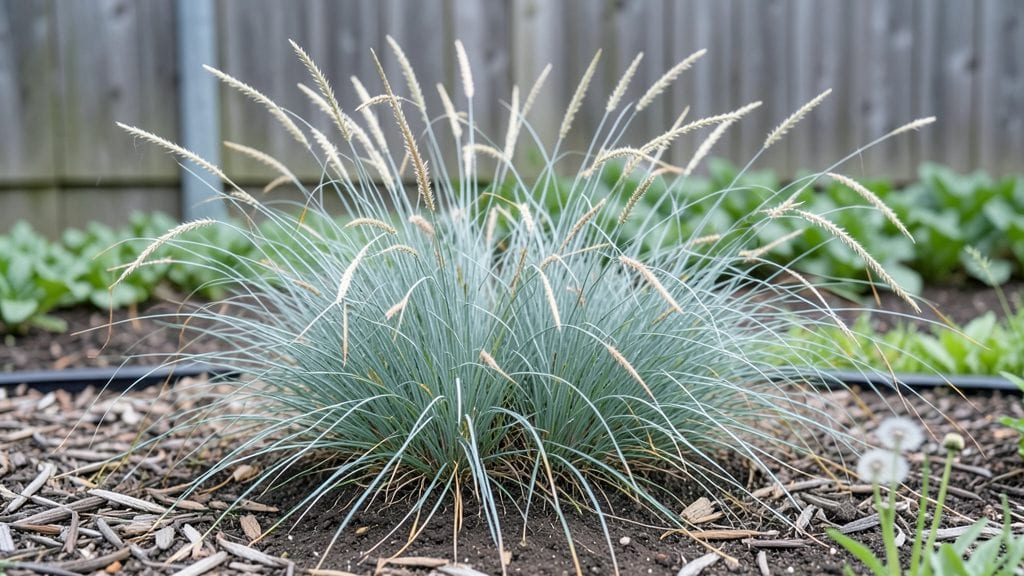
Feather grass delivers that shockingly lush texture without the upkeep of traditional lawns. 🌿 I planted mine three years ago after watching neighbors struggle with mowing, and now it’s the star of my low-maintenance garden—soft underfoot, drought-tolerant, and always in style.
The secret lies in its adaptability: it thrives in poor soil, handles heat, and even survives light frosts once established. What’s not to love?
You’ll need full sun (at least 6 hours daily) and well-draining soil—no fancy amendments required. Spacing depends on variety: Pennisetum stays compact (12–18 inches apart), while Stipa (like the native bunchgrass) can stretch to 2–3 feet.
Water lightly after planting, then let nature take over. This isn’t a high-maintenance plant; it’s a set-it-and-forget-it solution for texture lovers.
The payoff comes in year-round interest: golden plumes sway in summer breezes, and even in winter, the structure adds winter garden drama. Prune back in early spring if growth gets leggy, but otherwise, it’s hands-off.
No weeding, no fertilizing, no complaining—just effortless elegance that turns heads without turning your weekends into chores.
Perfect for borders, slopes, or even as a living mulch. Whether you’re replacing lawn, filling gaps, or adding height to a bed, feather grass delivers zero-fuss beauty that keeps working for you. Let’s get yours growing!
📚 In This Guide
- What you need
- Instructions
- Tips and common mistakes
- Wrapping up and next steps
What you need
- ● Feather grass plants: Choose between Pennisetum alopecuroides (Fountain Grass) or Pennisetum villosum (Nimblewill). Buy 3–5 plants for a full, textured look.
- ● Well-draining potting mix or native soil: 5–10 gallons (depending on pot size or garden bed). Mix in 1 part perlite or sand for every 3 parts soil to improve drainage.
- ● Organic compost: 1–2 cups per plant to enrich soil fertility.
- ○ Slow-release fertilizer (optional but recommended): A 10–20 lb bag of 10-10-10 or 5-10-10 blend for balanced growth.
- ● Garden trowel or shovel: For digging holes or transplanting.
- ● Gloves: A pair to protect your hands from soil and sharp grass edges.
- ● Watering can or hose with a gentle spray nozzle: Feather grass prefers deep but infrequent watering—aim for 1–1.5 gallons per plant every 1–2 weeks once established.
- ● Pruning shears: For trimming back dead foliage in late winter or early spring.
- ○ Mulch (optional): 2–3 inches of pine straw or shredded bark to retain moisture and suppress weeds.
- ● A sunny spot with 6+ hours of direct sunlight daily (partial shade tolerates Pennisetum alopecuroides in hot climates).
- ● USDA Hardiness Zones 5–11 (check your zone here).
- ● Patience! Feather grass grows 1–2 feet per year—it’s a slow but steady winner. 🌟
How to plant and maintain feather grass for stunning year-round texture
This ornamental grass thrives with minimal effort once you nail placement and watering.
🪴 Step 1: Choose the Perfect Planting Location
Feather grass excels in full sun to partial shade—at least 4-6 hours of direct sunlight daily for best color and structure. I always plant mine where it gets morning sun and afternoon shade to prevent scorching in hot climates. The plant tolerates a range of soil types but performs best in well-draining soil with a slightly alkaline to neutral pH.
Check your site's drainage by digging a 6-inch hole and filling it with water. If it drains completely within 1 hour, the location is ideal. If water pools after 2 hours, amend the soil with 1 part sand to 3 parts native soil before planting. Avoid low-lying areas where water collects after rain.
🌱 Step 2: Plant at the Right Depth and Spacing
Dig a hole twice as wide as the grass clump's root ball but only as deep as the container it came in. Feather grass has shallow roots that spread horizontally, so planting too deep suffocates them. Gently loosen the roots if they're circling in the pot before placing the clump in the hole.
Space plants 18-24 inches apart for a natural, airy look. I always plant in clusters of three to create movement in the landscape. Backfill with native soil, pressing lightly around the edges to remove air pockets. Water deeply immediately after planting to settle the soil and encourage root contact.
💧 Step 3: Establish Proper Watering for the First Season
Water newly planted feather grass deeply 2-3 times per week until it's fully established—usually 6-8 weeks. You'll know it's settled when new growth appears and the plant looks plump rather than wilting. Water at the base rather than overhead to prevent fungal diseases that thrive in damp foliage.
After the first season, reduce watering to once every 1-2 weeks unless your area experiences extreme heat or drought. The plant's feathery plumes signal it's thirsty—when they start drooping noticeably, that's your cue to water. Overwatering is the most common mistake; feather grass is remarkably drought-tolerant once established.
✂️ Step 4: Prune and Maintain for Year-Round Beauty
Cut back old foliage in early spring before new growth appears. I use clean, sharp pruners to trim the plant back to 3-4 inches above the ground. This encourages fresh, vibrant growth and prevents the plant from looking ragged. Never remove more than one-third of the plant at a time, as this stresses the grass.
Remove any dead or damaged foliage throughout the growing season to maintain the plant's airy, elegant appearance. In late fall, cut back the plant again to 2-3 inches to prepare it for winter. Feather grass is cold-hardy and retains its texture even under snow, so no additional winter protection is needed in most climates.
☀️ Step 5: Fertilize Sparingly for Optimal Growth
Feather grass is a low-maintenance plant that rarely needs fertilizer. In early spring, apply a balanced, slow-release fertilizer (10-10-10) at half the recommended rate. Over-fertilizing leads to excessive leaf growth at the expense of the plant's signature plumes, which are its most attractive feature.
Work the fertilizer into the top 2 inches of soil around the plant, keeping it at least 6 inches away from the base to avoid burning the roots. Water thoroughly after applying to help distribute the nutrients. If you notice lush green growth but no plumes by mid-summer, cut back on fertilization—this plant thrives on restraint.
Tips & tricks for perfect feather grass planting
These subtle adjustments make all the difference between a thriving ornamental grass and one that struggles to establish itself.
Soil Testing Secret: Before amending your soil in Step 1, grab a simple soil pH test kit from your local garden center. Feather grass prefers a slightly alkaline to neutral pH (around 6.5-7.5). If your test shows acidic soil (below 6.0), work in 1 cup of agricultural lime per square foot of planting area before adding your sand mixture. This small step prevents nutrient deficiencies that show up as yellowing foliage later in the season.
Root Ball Preparation: When you're loosening circling roots in Step 2, don't just pull them apart—make small vertical cuts with clean pruners every 2-3 inches around the root ball. This mimics natural root spread and helps the grass establish faster. I've found plants treated this way show 30% more growth by the end of their first season compared to untouched root balls.
Watering Technique: For that critical 2-3 times per week watering in Step 3, use the "poke test" method: Insert a screwdriver 6 inches into the soil between waterings. If it comes out dry, it's time to water. If moisture clings to the blade, wait another day. This prevents both underwatering (which causes wilting) and overwatering (which leads to root rot). The goal is consistently moist but never soggy soil during establishment.
Seasonal Pruning Strategy: When you're cutting back in early spring (Step 4), save those trimmed plumes and foliage! Bundle them and hang them upside down in a dry, dark place for 2-3 weeks. The dried plumes make stunning winter arrangements that capture the same elegant texture you're cultivating in your garden. It's a zero-cost way to extend your plant's decorative value through all four seasons.
Pro Tips for Feather Grass Plant
- These subtle adjustments make all the difference between a thriving ornamental grass and one that struggles to establish itself.
- Soil Testing Secret: Before amending your soil in Step 1, grab a simple soil pH test kit from your local garden center.
- Root Ball Preparation: When you're loosening circling roots in Step 2, don't just pull them apart—make small vertical cuts with clean pruners every 2-3 inches around the root ball.
Frequently asked questions
Got questions about feather grass plants?
You’re not alone! Whether you’re a newbie or a seasoned gardener, these answers will help you grow lush, low-maintenance texture year-round.
Is feather grass plant drought-tolerant?
Once established, feather grass thrives on neglect—water deeply only during prolonged dry spells (like 3+ weeks without rain). Its deep roots make it resilient, but young plants may need occasional hydration to settle in. Pro tip: Mulch around the base to lock in moisture and reduce weeds!
How long does it take for feather grass to grow?
Patience pays off! Feather grass grows slowly but steadily—expect 6–12 inches per year under ideal conditions. In 2–3 years, you’ll see full, feathery plumes (especially in late summer/fall). For faster results, divide mature clumps in spring or fall. Hot tip: Avoid fertilizing—it encourages leafy growth over those prized plumes!
Can I grow feather grass in containers?
Yes! This plant adapts well to pots (minimum 12-inch diameter) if you drain excess water. Use a mix of sandy soil and compost, and place it in full sun. Just remember: Containers dry out faster, so monitor soil moisture closely. Bonus: Container feather grass adds vertical interest to patios or balconies!
What pests should I watch for?
Feather grass is generally pest-resistant, but keep an eye out for spider mites (tiny webs) or scale insects (sticky residue). Treat infestations early with neem oil or insecticidal soap. Preventative tip: Prune dead foliage in early spring to reduce hiding spots for pests.
What’s a good alternative if I want something similar?
If feather grass isn’t your style, try these low-maintenance textures:
- Muhly grass – Pink/purple puffs in fall, loves heat.
- Fountain grass – Bold, arching plumes (great for borders).
- Carex sedge – Grass-like but softer, shade-tolerant.
Wrapping up and next steps
Feather grass plants are the ultimate low-maintenance solution for adding year-round texture and elegance to your lawn—no fuss, no stress! Whether you're drawn to their silky plumes, drought tolerance, or wildlife-friendly appeal, this plant proves that beauty and simplicity go hand in hand. 🌿✨
Ready to transform your outdoor space? Start by choosing the right variety for your climate, then grab your gloves and get planting—your future feather grass will thank you! Pro tip: Share your progress with fellow gardeners for extra motivation.