
Blooming
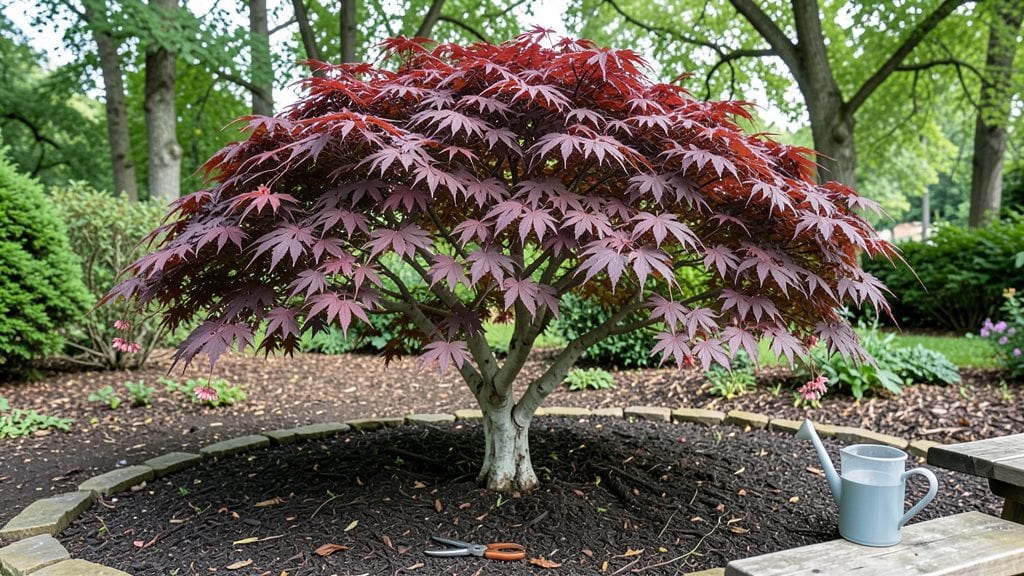
My blooming maple plant transformed my yard from ordinary to showstopping with just a few simple adjustments. 🌿 The key isn’t fancy pruning—it’s understanding how sunlight, water, and timing work together to trigger those stunning spring blooms (and sometimes even repeat flowers later in the season).
Japanese maples and red maples thrive in partial shade, well-draining soil, and consistent moisture—none of that “drought-tolerant” nonsense you’ll find in other guides. I’ve grown mine in containers and in-ground, and the difference comes down to one thing: protecting the roots from soggy soil.
A layer of mulch keeps them happy year-round with almost no extra work.
You’ll see clusters of delicate flowers in early spring, followed by vibrant fall foliage that lasts weeks longer than most trees. Even better? These plants reward patience—once established, they bloom reliably for decades with just basic care.
The secret to keeping them flowering? Pruning at the right time (late winter) and avoiding heavy cuts that remove next year’s blooms.
Works beautifully in small gardens, city patios, or as a statement tree in larger landscapes. Here’s how to get started without the guesswork—no green thumb required.
📚 In This Guide
- What you need
- Instructions
- Tips and common mistakes
- Wrapping up and next steps
What you need
- ● Blooming Maple Plant (Abutilon spp.): Choose a healthy specimen (potted or bare-root) from a nursery. Pro tip: Look for plants with bright, colorful blooms and sturdy stems!
- ● Well-draining potting mix: 1 bag (5-10 quarts) of a light, airy mix (e.g., 60% peat moss, 30% perlite, 10% vermiculite).
- ● Pot with drainage holes: 1 container (12-16 inches in diameter) with adequate drainage to prevent root rot.
- ● Slow-release fertilizer: 1 packet (10-20-10 NPK ratio) for long-lasting nutrition.
- ● Gloves: 1 pair (gardening gloves) to protect your hands.
- ● Trowel or small shovel: 1 for transplanting or repotting.
- ● Watering can or hose with gentle spray: For hydration without over-saturating the soil.
- ● Pruning shears: 1 pair (sterilized) for minimal shaping and deadheading.
- ○ Support stake (optional): 1-2 stakes (if growing outdoors or in windy areas).
- ○ Mulch (optional): 1 bag of organic mulch (e.g., shredded bark) to retain moisture and regulate soil temperature.
Step-by-Step instructions for cultivating a vibrant blooming maple plant
Here’s how to coax year-round color from your maple plant with just a few strategic moves.
🌱 Step 1: Select the Right Maple Variety for Year-Round Interest
Not all maples bloom prolifically—opt for Japanese maples (Acer palmatum or Acer japonicum) or snakebark maples (Acer capillipes), which deliver spring blooms, summer foliage, and autumn color. Avoid fast-growing species like silver maples, which focus energy on height over flowers. I always choose dwarf varieties (like ‘Bloodgood’ or ‘Emperor I’) for containers—they bloom just as well but stay manageable.
Check the USDA hardiness zone for your area before buying. Most blooming maples thrive in zones 5-8, but some cold-hardy types (like Acer griseum) extend their range to zone 4. If you’re in a warmer climate (zones 9-11), prioritize heat-tolerant cultivars like ‘Sun Valley’ higan maple, which won’t scorch in summer.
☀️ Step 2: Position for Maximum Light and Seasonal Adaptation
Place your maple in morning sun with afternoon shade—this prevents leaf scorch while ensuring enough light for blooms. In containers, rotate the pot quarter-turn weekly so the plant grows evenly. If your maple develops yellowing leaves by midday, it’s getting too much direct sun; move it to a spot with dappled light or provide 30% shade cloth during peak afternoon hours.
For year-round color, avoid planting near large trees or structures that block light entirely. Maples need at least 4-6 hours of filtered sunlight daily to produce flowers. In winter, if your maple’s branches look bare and leggy, it’s not getting enough light—relocate it to a south-facing window (indoors) or sheltered outdoor spot until spring.
💧 Step 3: Water Deeply and Adjust for Seasons
Water once weekly in spring/fall, letting 2-3 inches of soil dry between sessions. In summer, increase to twice weekly unless you’re in a humid climate, where you may only need every 5-7 days. Overwatering is the #1 killer—soggy soil leads to root rot, which stunts blooming. To test moisture, stick your finger 1 inch deep; if it’s dry, water deeply until it runs out the drainage holes.
Mulch with 2-3 inches of organic mulch (like shredded bark) to retain moisture and regulate soil temperature. In winter, double the mulch layer to insulate roots in colder zones. If your maple’s leaves curl or drop prematurely, it’s either underwatered or overwatered—check the soil before panicking.
✂️ Step 4: Prune Strategically to Encourage Blooms
Prune only in late winter or early spring (before buds swell) to avoid removing next year’s flowers. Remove dead, crossing, or inward-growing branches first—these compete for energy. For container-grown maples, trim back 1/3 of the oldest growth annually to keep the plant compact. Never prune in summer or fall, as this stresses the tree and reduces flowering.
Watch for suckers (sprouts at the base)—these drain energy from blooms. Snip them off at the soil line with clean pruners. If your maple isn’t blooming, it may be over-pruned or nutrient-deficient. Fertilize lightly in early spring with a balanced 10-10-10 formula (follow package rates) to support flower production.
🌿 Step 5: Protect and Maintain for Long-Term Color
In winter, wrap young maples in burlap if temperatures drop below 15°F to prevent cold damage. Mature trees handle frost better, but new growth is always vulnerable. If your maple’s leaves brown and crisp in winter, it’s likely winter burn—water deeply before the first freeze to help roots survive.
Fertilize once in early spring with a slow-release granular fertilizer (like 10-10-10) to avoid overfeeding, which can lead to leafy growth at the expense of flowers. If your maple’s leaves are small and pale, it needs more phosphorus (the middle number)—switch to a 5-10-5 formula next season. With consistent care, your maple will reward you with spring blooms, summer foliage, and autumn color for decades.**
Tips & tricks for cultivating a vibrant blooming maple plant
A few strategic moves can transform your maple from ordinary to extraordinary. Here's how to maximize those stunning seasonal displays with minimal effort.
Variety Matters: When selecting your maple, prioritize Acer palmatum or Acer japonicum varieties—they're bred specifically for their prolific blooming habits. I've found that dwarf cultivars like 'Bloodgood' or 'Emperor I' perform exceptionally well in containers while delivering vibrant spring flowers, lush summer foliage, and fiery autumn colors. These compact varieties also make them ideal for urban gardens where space is limited. The key is choosing a cultivar that matches your climate zone—don't settle for just any maple if you want that year-round color show.
Light Management: The morning sun/afternoon shade positioning in Step 2 is crucial—it's the sweet spot that prevents leaf scorch while ensuring enough light for blooms. For container growers, I recommend rotating your pot quarter-turn weekly to encourage even growth. If you notice yellowing leaves by midday, that's your plant's way of saying "too much sun!" Move it to a spot with dappled light or install 30% shade cloth during peak afternoon hours. Remember, maples need at least 4-6 hours of filtered sunlight daily to produce those show-stopping flowers, but direct afternoon sun can be brutal.
Seasonal Watering Strategy: The watering schedule in Step 3 works perfectly, but here's the secret: always water deeply until it runs out the drainage holes. This ensures you're moistening the entire root zone, not just the top inch of soil. In summer, I increase to twice weekly unless I'm in a humid climate, where I might stretch to every 5-7 days. The finger test is your best friend—stick your finger 1 inch deep, and if it's dry, that's your cue to water. Pro tip: Mulch with 2-3 inches of organic material to lock in moisture and regulate soil temperature, especially important when temperatures drop below 15°F in winter.
Pruning Precision: Timing is everything when pruning—only do it in late winter or early spring before buds swell. This ensures you're not accidentally removing next year's flowers. For container-grown maples, I trim back about one-third of the oldest growth annually to maintain that compact shape. Watch for those sneaky suckers at the base—they're energy vampires that drain resources from your blooms. And here's what nobody tells you: If your maple isn't blooming, it's either over-pruned or nutrient-deficient. A light application of 10-10-10 fertilizer in early spring works wonders for encouraging those beautiful flowers.
Pro Tips for Blooming Maple Plant
- A few strategic moves can transform your maple from ordinary to extraordinary.
- Variety Matters: When selecting your maple, prioritize Acer palmatum or Acer japonicum varieties—they're bred specifically for their prolific blooming habits.
- Light Management: The morning sun/afternoon shade positioning in Step 2 is crucial—it's the sweet spot that prevents leaf scorch while ensuring enough light for blooms.
Frequently asked questions
Got questions about keeping your blooming maple plant vibrant and thriving? You’re not alone! Here are some of the most common queries—plus straightforward answers to help you grow with confidence.
How often should I water my blooming maple plant?
Water your blooming maple when the top 1–2 inches of soil feel dry. Aim for moderate moisture—overwatering can lead to root rot, while underwatering causes wilting. In warmer months, you may need to water every 5–7 days, but adjust based on humidity and light exposure. Pro tip: Use a moisture meter for precision!
When does a blooming maple plant typically flower?
Most blooming maples (like Abutilon or Japanese maples) produce vibrant flowers in spring to early summer, with some varieties reblooming in fall. Indoor varieties may flower year-round if given bright, indirect light and consistent care. If yours isn’t blooming, check for adequate sunlight—6+ hours daily is ideal!
Can I grow a blooming maple indoors year-round?
Many compact varieties (e.g., Abutilon ‘Vicki’ or Japanese maple ‘Bloodgood’) thrive indoors with bright, indirect light. Place near a south- or east-facing window, and supplement with a grow light in winter. Just watch for spider mites—dry air is their favorite hiding spot!
Do I need to prune my blooming maple aggressively?
Nope! Prune only to shape, remove dead blooms, or control size. Trim back leggy stems after flowering to encourage bushier growth. Avoid heavy pruning—this plant blooms on new wood, so light touches work best. For a fuller look, pinch back tips in early spring!
Why aren’t my maple leaves turning colorful in fall?
Fall color depends on temperature shifts, sunlight, and plant variety. If your maple lacks vibrancy, it might need cooler nights (below 60°F) or a nutrient boost (like iron or potassium). Some tropical varieties (e.g., Abutilon) won’t change colors—focus on blooms instead! Move potted plants outdoors in fall for a natural trigger.
Wrapping up and next steps
Watch your blooming maple plant transform your space into a vibrant, year-round sanctuary with just a little care! 🌿 From its stunning foliage to minimal pruning needs, this plant is the perfect low-maintenance yet high-impact addition to any home.
Whether you're a seasoned gardener or just starting out, its adaptability makes it a winner.
Ready to bring home your own? Start by selecting the perfect spot—whether it’s basking in sunlight or thriving in partial shade—and gather your supplies. Then, dive in and enjoy the journey of nurturing this beautiful, easygoing plant!