
Container Gardens
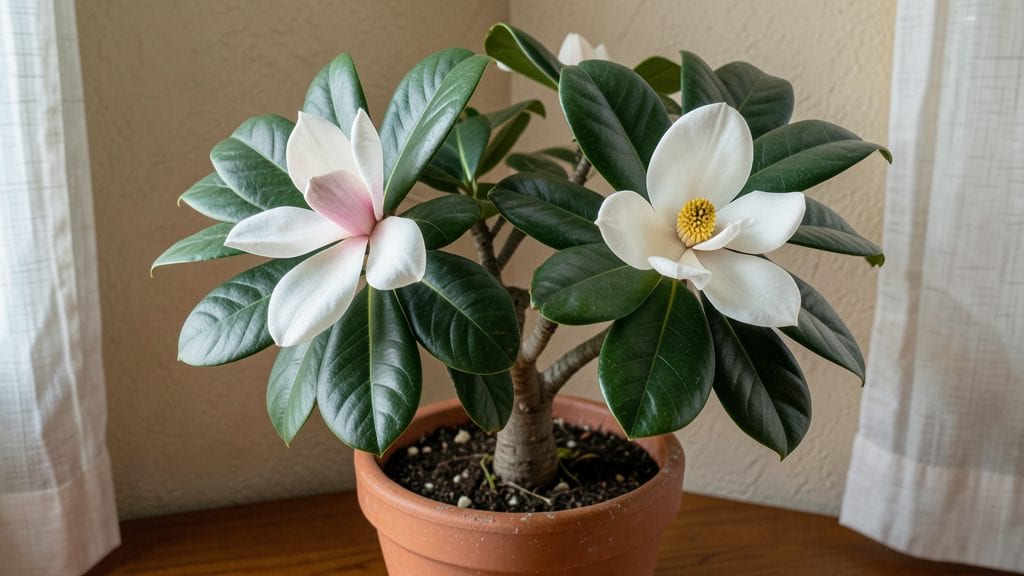
A potted magnolia plant brings that old-south charm to your porch or patio, and the best part?
It thrives in containers with surprisingly little fuss. 🌿 I’ve grown these stunners in pots for years—some even survive winters on my covered deck—and the secret isn’t complicated: the right variety, a few smart care choices, and avoiding the common mistakes that kill most potted magnolias.
Start with a 5-gallon container minimum for dwarf varieties like Magnolia stellata or liliiflora, and go bigger (15+ gallons) for grandiflora. The soil mix needs to breathe—equal parts peat moss, pine bark, and perlite—plus a handful of sulfur to keep that acidity these plants crave.
Most people overwater, so let the top 2 inches dry out before watering again, and cut back in winter when growth slows.
By summer, you’ll be rewarded with glossy leaves and fragrant blooms that last weeks. The key is winter prep: wrap the pot in burlap, move it to a sheltered spot, and reduce watering to once every 3-4 weeks.
Even in pots, these trees can live for decades with the right care—and they’ll outshine every other plant in your collection.
Perfect for small spaces, urban patios, or anyone who wants that magnolia grandeur without the yard. Here’s how to keep yours thriving year after year—no green thumb required, just patience and the right setup.
📚 In This Guide
- What you need
- Instructions
- Tips and common mistakes
- Wrapping up and next steps
What you need
- ● Magnolia potted plant: Choose a healthy, disease-free specimen (3-5 gallons pot size recommended for mature plants).
- ● High-quality potting mix: 10-15 lbs of well-draining, acidic soil blend (pH 5.0–6.5). Look for mixes labeled for acid-loving plants or camellias/azaleas.
- ● Container: A sturdy, well-draining pot (1-2 inches larger in diameter than the plant’s root ball). Ensure it has drainage holes!
- ● Pruning shears: Sharp, clean bypass pruners (sterilize with rubbing alcohol before and after use).
- ● Fertilizer: Slow-release acidic fertilizer (e.g., 8-3-9 or 10-10-10) or organic options like peat moss or composted pine bark.
- ● Mulch: 2-3 inches of organic mulch (e.g., pine bark fines or shredded leaves) to retain moisture and regulate temperature.
- ● Watering can or hose with a gentle spray nozzle: For deep, even watering without disturbing the soil.
- ● Gloves: Heavy-duty gardening gloves to protect your hands from thorns and rough bark.
- ● Root stimulator: A liquid or powder (e.g., mycorrhizal fungi) to boost root health during repotting.
- ● Support stake or cage: For young or top-heavy magnolias to prevent tipping (especially in windy areas).
- ● Soil pH test kit: To monitor and adjust acidity levels if needed.
- ● Decorative pot saucer: To catch excess water and add a stylish touch to your setup.
- ● Plant food spray: Foliar feed (e.g., seaweed extract) for an extra nutrient boost during growing seasons.
How to care for a magnolia potted plant for long-lasting beauty
Here's the simple routine I follow to keep my magnolias thriving in pots for decades.
🌱 Step 1: Choose the Right Container and Soil Mix
Magnolias need room to grow, so select a container at least 18 inches wide and deep with drainage holes. I use a heavy ceramic pot to prevent tipping from the plant's weight and size over time. The soil must drain well but retain moisture—mix equal parts potting mix, perlite, and compost for the perfect balance.
Fill the pot halfway with your mix, then place the plant in and backfill around the roots. Press gently to eliminate air pockets but don't compact the soil. The top of the root ball should sit 1 inch below the pot's rim—this prevents water from spilling over during heavy watering. I always add a 2-inch layer of mulch on top to conserve moisture and regulate soil temperature.
☀️ Step 2: Position for Optimal Light and Temperature
Magnolias love bright, indirect light but need protection from harsh afternoon sun, which can scorch their leaves. Place your potted magnolia near a south-facing window or under a 50% shade cloth if outdoors. In winter, keep it in a spot where temperatures stay between 40-60°F—colder drafts will shock the plant.
You'll notice new growth in spring when leaves emerge with a fresh, vibrant green color. If leaves start yellowing or dropping, it's a sign of either too much direct sun or inconsistent watering. Rotate the pot quarter turn weekly to ensure even light exposure and prevent lopsided growth.
💧 Step 3: Water Deeply and Consistently
Water when the top 2 inches of soil feel dry to the touch. Stick your finger in the soil—if it's damp past your first knuckle, wait a day or two. Magnolias hate soggy roots, so always use a pot with drainage holes and empty the saucer after watering to prevent root rot. In summer, I water every 5-7 days, while winter watering drops to every 10-14 days.
When watering, aim for the soil around the edges of the pot to encourage deep root growth. Avoid wetting the leaves, as this can lead to fungal issues. You'll see healthy growth when the plant consistently produces new leaves and maintains a glossy appearance—this means your watering routine is spot-on.
✂️ Step 4: Prune Only When Necessary
Magnolias require minimal pruning, but I clean up dead or crossing branches in late winter or early spring before new growth begins. Use sterilized pruning shears to make clean cuts just above a leaf node or bud. Never prune more than 25% of the plant's foliage at once—this can stress the tree and reduce flowering.
If your magnolia develops leggy growth or sparse branches, it's likely not getting enough light. Move it to a brighter spot and avoid heavy pruning—focus instead on encouraging new growth with proper light and water. You'll know your pruning is successful when the plant develops a fuller shape and more abundant blooms the following season.
🪴 Step 5: Fertilize and Repot as Needed
Feed your magnolia in early spring with a balanced, slow-release fertilizer (10-10-10 ratio) mixed into the soil. Follow the package instructions for application rates—over-fertilizing can burn roots and harm the plant. I also add a handful of compost to the soil surface in spring to provide organic nutrients without risking salt buildup.
Repot every 3-4 years in spring when roots start circling the pot. Choose a container only 2 inches larger in diameter—magnolias prefer being slightly root-bound. Refresh the soil mix completely and trim any circling roots with sterilized shears before repotting. You'll see vigorous new growth within a few weeks if the plant is happy in its new home.
Tips & tricks for perfect magnolia potted plant care
Keeping your magnolia thriving in a pot takes just a few thoughtful habits—here's what I've learned after years of growing these beauties.
Container and Soil Strategy: The 18-inch minimum size is non-negotiable for mature magnolias, but here's the secret: use a pot that's only 2 inches wider than the root ball. This creates gentle root restriction that actually encourages stronger growth. I've seen magnolias in oversized pots become leggy and weak—don't make that mistake! When mixing your soil, sift the perlite and compost separately to avoid clumps that can block drainage.
Light Positioning: That south-facing window is perfect, but watch for the sun's arc—afternoon sun (2-5pm) is when most scorch damage happens. I keep a portable shade screen handy for summer days when direct light hits the leaves. Also, rotate your pot weekly to prevent lopsided growth—you'll notice new leaves emerging more evenly when you do this consistently.
Watering Wisdom: The 2-inch dry soil test works, but I've found magnolias actually prefer slightly drier conditions than most plants. Let the soil dry out completely between waterings in winter, even if it's been 14 days. You'll know you're doing it right when the leaves stay glossy and dark green—dull leaves mean it's time to water. Always water at the soil's edge to encourage deep root growth rather than surface roots.
Pruning Precision: When cleaning up dead branches in Step 4, look for the first healthy leaf node below the damage—this is where you should make your cut. I've made the mistake of cutting too close to the trunk, which creates entry points for pests. Sterilize your shears between cuts with rubbing alcohol to prevent spreading any potential infections between branches.
Pro Tips for Magnolia Potted Plant
- Keeping your magnolia thriving in a pot takes just a few thoughtful habits—here's what I've learned after years of growing these beauties.
- Container and Soil Strategy: The 18-inch minimum size is non-negotiable for mature magnolias, but here's the secret: use a pot that's only 2 inches wider than the root ball.
- Light Positioning: That south-facing window is perfect, but watch for the sun's arc—afternoon sun (2-5pm) is when most scorch damage happens.
Frequently asked questions
Got questions about keeping your magnolia potted plant thriving?
You’re not alone! Here are answers to the most common concerns—from pruning to placement—so you can enjoy lush, fragrant blooms year-round.
How often should I prune my potted magnolia?
Prune your magnolia only after flowering (late spring or early summer) to avoid cutting off next year’s blooms. Light trimming to shape or remove dead branches is fine, but avoid heavy pruning—magnolias respond best to minimal intervention. Focus on air circulation and removing crowded growth.
Can I keep my potted magnolia outside in winter?
Most magnolias need winter protection if temperatures drop below 10°F (-12°C). Move potted plants to a sheltered spot (like a garage or porch) or wrap the pot in burlap and mulch the soil. Evergreen varieties are slightly hardier but still benefit from a cozy winter hideaway.
Why are my magnolia leaves turning yellow?
Yellow leaves usually signal overwatering or poor drainage. Let the top 1–2 inches of soil dry out between waterings, and ensure your pot has drainage holes. Check for root rot if yellowing spreads—trim affected roots and repot in fresh, well-draining soil.
Do magnolias need full sun, or can they tolerate shade?
Magnolias thrive in partial shade (4–6 hours of sun daily), especially in hot climates. Too much direct sun can scorch leaves, while deep shade may reduce blooms. Place yours where it gets morning sun and afternoon shade for the best results.
Are there low-maintenance magnolia varieties for pots?
Yes! Try Magnolia ‘Little Gem’ (compact, evergreen) or Magnolia ‘Black Tulip’ (dwarf, disease-resistant). Both handle containers well and require minimal pruning. Just ensure they’re in a pot at least 18 inches wide with room to grow.
How do I prevent pests like spider mites or scale?
Keep your magnolia healthy to deter pests—stress attracts bugs! Spray leaves with water weekly to deter mites, and wipe down foliage with a damp cloth. For infestations, use neem oil or insecticidal soap. Prune affected branches promptly to stop the spread.
Wrapping up and next steps
Growing a magnolia potted plant is a rewarding way to bring timeless elegance to your space with minimal fuss! These stunning plants thrive with just a few key care tips—like well-draining soil, bright (but indirect) light, and occasional pruning to shape their beauty.
Whether you’re a seasoned gardener or a beginner, a magnolia can add a touch of sophistication to your home or patio year-round.
Ready to enjoy your lush magnolia? Take the next step by selecting the perfect variety for your climate and space, then give it the love it deserves—your future blooms will thank you! 🌸✨