
Tools
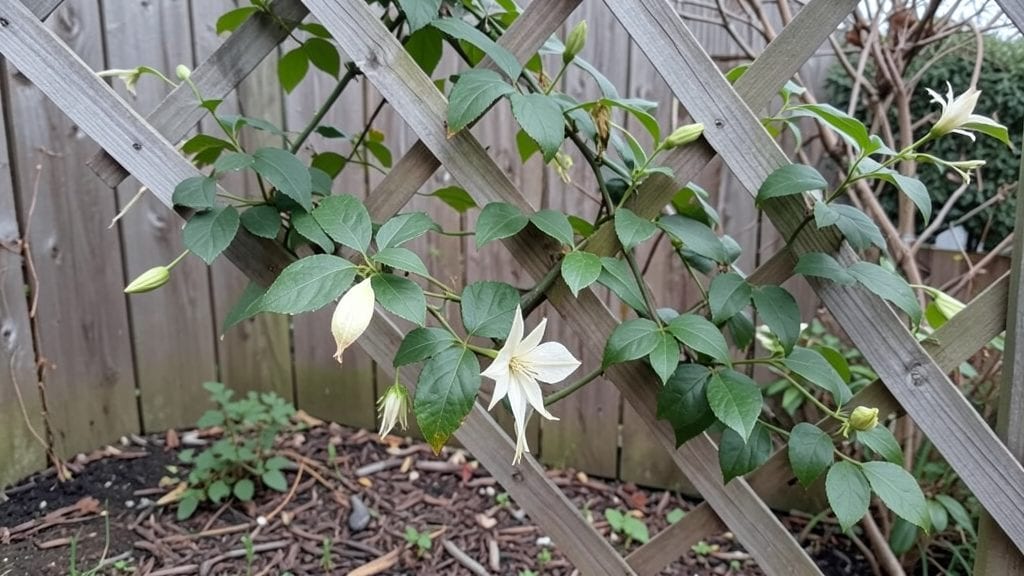
My evergreen trellis plants turned a blank wall into a lush, year-round privacy screen that never loses its charm. 🌿 The right climbers—like English ivy, star jasmine, or clematis—keep your garden vibrant through winter while maximizing vertical space.
I learned the hard way that not all evergreens thrive on trellises, but these three are foolproof for most climates.
These plants do more than look good—they create microclimates that protect delicate flowers, block harsh winds, and even reduce heating costs. My star jasmine, for example, blooms in early spring and stays green through frost, while ivy softens hard lines in modern gardens.
The key is matching the plant to your trellis material (wood holds ivy best, metal works for jasmine) and giving them enough room to spread.
By summer, you’ll have a living tapestry that changes with the seasons—spring blooms, summer foliage, and winter structure. The best part? They’re low-maintenance once established, requiring only occasional pruning to keep them in check. I’ll show you how to pair them with companion plants for even more impact.
Whether you’re going for cottage charm, modern minimalism, or tropical vibes, these evergreen climbers adapt beautifully. The secret lies in placement—sunny spots for clematis, partial shade for ivy—and letting them grow wild (within reason). Ready to transform your space?
📚 In This Guide
- What you need
- Instructions
- Tips and common mistakes
- Wrapping up and next steps
What you need
- ● Trellis Structure: Wooden lattice panel (4’ x 8’ or custom size, ½”–¾” thick)
- ● OR PVC trellis kit (pre-assembled, 6’–8’ tall)
- ● OR metal/mesh trellis (galvanized steel, 1”–2” grid spacing)
- ● Evergreen Plants (Choose 2–5): Ivy (English or Boston, 1–3 plants per 4’ section)
- ● Climbing hydrangea (1–2 plants, full sun to partial shade)
- ● Clematis (1–2 plants, pruning shears required)
- ● Star jasmine (1–2 plants, fragrant blooms)
- ● Ornamental sweet potato vine (fast-growing, 1 plant per 3’)
- ● Soil & Amendments: Well-draining potting mix (5–10 gallons, depending on container size)
- ● Compost (1–2 cups per plant for nutrient boost)
- ● Slow-release fertilizer (10–20 lb bag, 14-14-14 NPK ratio)
- ● Hardware & Fasteners: Galvanized screws/nails (2”–3” length, ½” diameter)
- ● Staple gun + landscape staples (for securing plants to trellis)
- ● Post anchors or heavy-duty stakes (if freestanding)
- ○ Optional Extras: Drip irrigation kit (for automated watering)
- ● Mulch (3–4 inches, to retain moisture)
- ● Decorative lights (solar-powered, for ambiance)
- ● Pruning shears (bypass style, for maintenance)
How to create a stunning year-round vertical garden with evergreen trellis plants
Here’s my go-to method for keeping your vertical garden lush and green through every season.
🌿 Step 1: Choose the Right Evergreen Climbers
Start with four evergreen vines that thrive in your climate: English ivy, star jasmine, climbing hydrangea, and winter creeper. These handle shade, cold snaps, and even indoor spaces beautifully. I always pick varieties with glossy leaves—they stay vibrant longer and recover faster from frost.
Check your USDA hardiness zone to confirm which will survive winter in your area. For example, English ivy thrives in zones 3-11, while winter creeper needs at least zone 5. Plant them in early spring or fall when temperatures are mild—this gives roots time to establish before extreme heat or cold hits.
🪴 Step 2: Install Sturdy Trellis Structures
Use 4-foot tall metal or wooden trellises for each plant, secured into the ground with 2-foot long stakes. I drive the stakes 6 inches deep into moist soil for stability, then attach the trellis at a 45-degree angle—this prevents vines from growing too flat against the structure. For larger gardens, connect multiple trellises with flexible garden twine to create a living wall.
If you’re working with containers, use wall-mounted trellis pockets or hanging planters with built-in trellises. The key is ensuring the structure can support 10+ pounds of foliage once mature. I always test stability by gently shaking the trellis before planting—if it wobbles, add another stake.
☀️ Step 3: Plant and Train for Maximum Coverage
Dig a hole twice as wide as the root ball but only as deep as the container’s base. Place the plant so the top of the root ball sits 1 inch below soil level—this prevents stem rot from splashing water. Backfill with amended garden soil mixed with 2 cups of compost per plant to boost nutrient retention.
Train vines immediately by weaving them through the trellis in a zigzag pattern. This encourages even growth and prevents tangling. For fast coverage, prune the tips of new shoots to 3-4 inches—this triggers bushier growth. You’ll see 6-8 inches of new growth per month in ideal conditions.
💧 Step 4: Water and Feed for Year-Long Health
Water deeply twice weekly during the first growing season, aiming for 1 gallon per plant. After establishment, reduce to once weekly but check soil moisture—top 2 inches should feel dry before watering again. I use a soaker hose to deliver water directly to the roots, which cuts down on evaporation and keeps leaves dry (preventing fungal issues).
Feed plants monthly with a balanced 10-10-10 fertilizer from spring through fall, then switch to a low-nitrogen 5-10-10 in winter to protect tender new growth. Evergreens are forgiving, but over-fertilizing in winter can burn roots. Always water before applying fertilizer to avoid salt buildup.
✂️ Step 5: Prune and Maintain Through Seasons
Prune twice yearly: once in early spring to shape the plant and again in late summer to remove leggy growth. Cut back one-third of the oldest stems each year to encourage fresh, vigorous growth. For flowering varieties like star jasmine, deadhead spent blooms to redirect energy into foliage rather than seed production.
In winter, remove any brown or damaged leaves with clean pruners. Evergreens shed old needles naturally, but matted, discolored growth signals stress—often from poor drainage or pests. I spray plants with neem oil in early spring as a preventive measure against spider mites and scale, which love dry winter air.
Tips & tricks for perfect evergreen trellis plants
Here's what I've learned after years of growing lush vertical gardens—these tricks will help your evergreen climbers thrive all year long.
Selection Tip: When choosing your four evergreen climbers, look for plants with glossy, dark green leaves rather than dull or yellowing foliage. This is your first sign of a healthy plant that will recover faster from frost and stay vibrant longer. In Step 1, I recommend English ivy and winter creeper for their hardiness, but if you're in zone 8 or warmer, consider adding climbing bougainvillea for extra color (just remember it's not fully evergreen).
Structure Stability: The 45-degree angle mentioned in Step 2 is crucial for preventing vines from growing flat against the trellis. I've found that using galvanized metal stakes instead of wood helps prevent rot over time, especially in damp climates. For extra stability, bury the stakes 6 inches deeper than specified if you're in windy areas or planting near walkways where accidental brushing might occur.
Training Technique: When training your vines in Step 3, I've discovered that using soft garden twine to gently weave new growth through the trellis creates a more natural look than forcing them through rigid slats. For fast coverage, trim new shoots to 3-4 inches as directed, but leave a few extra leaves at the base of each stem to encourage more branching. This creates a fuller plant in just a few months.
Watering Wisdom: The twice-weekly watering schedule in Step 4 works perfectly in most climates, but I've learned to adjust based on your soil type. If you have sandy soil, you might need to water every other day during the first growing season to prevent roots from drying out. Always check that top 2 inches of soil are dry before watering—this simple test prevents both underwatering and overwatering, which can lead to root rot.
Pro Tips for Evergreen Trellis Plants
- Here's what I've learned after years of growing lush vertical gardens—these tricks will help your evergreen climbers thrive all year long.
- Selection Tip: When choosing your four evergreen climbers, look for plants with glossy, dark green leaves rather than dull or yellowing foliage.
- Structure Stability: The 45-degree angle mentioned in Step 2 is crucial for preventing vines from growing flat against the trellis.
Frequently asked questions
Got questions about evergreen trellis plants? You’re not alone!
Here are answers to the most common queries to help you create a lush, year-round vertical garden with ease.
What are the best evergreen plants for trellises?
Top picks include Ivy (Hedera helix), English Laurel (Prunus laurocerasus), Star Jasmine (Trachelospermum jasminoides), and Climbing Hydrangea (Hydrangea petiolaris). Choose based on your climate—some thrive in shade, while others need full sun. Pro tip: Mix textures (e.g., glossy ivy + feathery ferns) for visual appeal!
When is the best time to plant evergreen trellis plants?
Plant in early spring or fall when temperatures are mild (50–70°F). Avoid extreme heat or frost, as roots need time to establish. Spring gives plants a full growing season, while fall reduces stress in warmer climates. Bonus: Mulch after planting to retain moisture!
Can I train evergreen plants on a trellis if they’re already mature?
Yes! Gently tie stems to the trellis with soft plant ties or twine, spacing supports every 6–12 inches. Prune leggy growth to encourage upward growth. Warning: Avoid aggressive pruning—evergreens heal slower than deciduous plants. Patience is key!
How do I protect evergreen trellis plants in winter?
Most evergreens handle winter well, but young plants or tender varieties (like Star Jasmine) may need light burlap wraps or mulch around the base. Prune dead foliage in late winter to improve airflow. Pro move: Water deeply before frost to prevent dehydration!
What if my trellis plant stops growing upward?
Check for nutrient deficiencies (use a balanced fertilizer) or poor drainage. Trim competing lower branches to redirect energy upward. If pests (like spider mites) are present, treat with neem oil. Quick fix: Rotate the trellis to expose all sides to sunlight! →
What’s a low-maintenance alternative to traditional trellises?
Try obelisks (for compact growth), wall-mounted planters with built-in grids, or wire cages for climbing roses. Hoya plants or Boston Ivy also thrive on simple vertical structures with minimal pruning. Win-win: Less fuss, same stunning results!
Wrapping up and next steps
Transforming your space with evergreen trellis plants is a rewarding way to add beauty, structure, and life to any area—indoors or out! These resilient plants not only thrive year-round but also create stunning vertical displays that maximize your garden’s potential.
Whether you’re a seasoned gardener or just starting, the key is choosing the right species, providing proper support, and giving them the care they need.
Ready to elevate your garden? Start small—pick one trellis plant, gather your materials, and let your green thumb shine! With a little patience and creativity, you’ll soon have a lush, evergreen masterpiece that brings joy for seasons to come. 🌿✨