
Landscaping
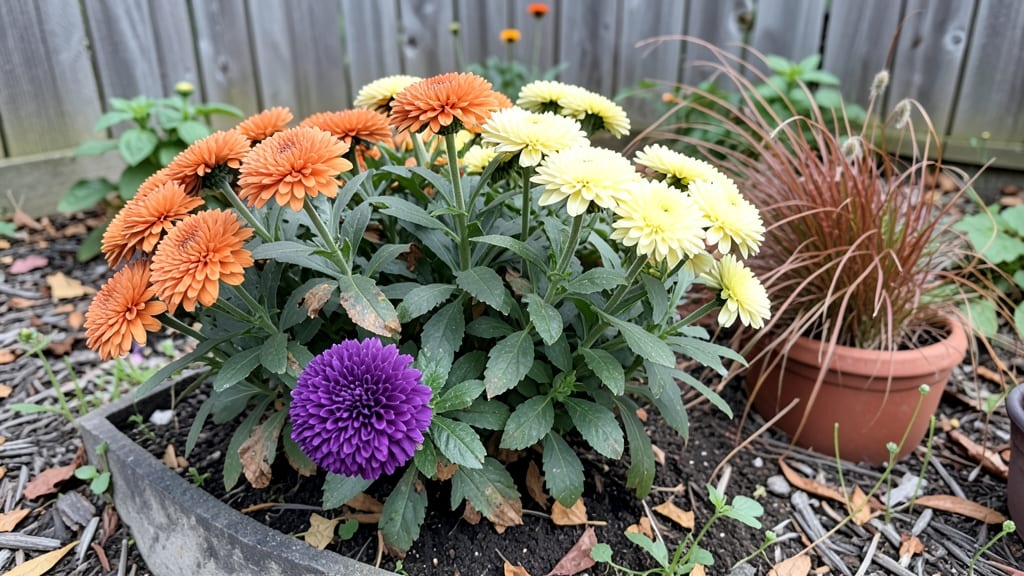
Fall landscaping plants transform your yard into a cozy, textured masterpiece when most gardens go dormant. 🌿 I learned this the hard way after watching my neighbors' gardens fade to brown while mine stayed vibrant—all thanks to a few strategic plant swaps and seasonal layering.
The secret isn’t complicated: mix ornamental grasses for movement, evergreen shrubs for structure, and late-blooming perennials like asters or mums for color. Add drought-tolerant sedums or Russian sage for low-maintenance drama, and you’ll have a garden that thrives through frost.
Most of these plants need minimal pruning and thrive in partial shade, making them perfect for busy gardeners.
By autumn, you’ll have a landscape that feels alive—deep burgundies, golden foliage, and silvery grasses creating contrast against the changing leaves. The best part? Many of these plants hold their color through winter, giving you year-round interest without extra work.
Let’s build a garden that stays stunning long after summer fades.
Works for any yard size, from small front gardens to large backyards. Here’s how to combine them for maximum impact without the upkeep.
📚 In This Guide
- What you need
- Instructions
- Tips and common mistakes
- Wrapping up and next steps
What you need
- ● Fall-friendly plants: 1–3 Mums (Chrysanthemums) (per 10 sq. ft. for borders)
- ● 1–2 Ornamental grasses (e.g., Miscanthus or Pennisetum) (per 5 sq. ft.)
- ● 1 Hydrangea (per 3–4 sq. ft. for shrub beds)
- ● 1–2 Maple or Dogwood trees (for structural contrast)
- ● 1–3 Heuchera (Coral Bells) (per 5 sq. ft. for foliage texture)
- ● 1–2 Sedum (Stonecrop) (per 5 sq. ft. for drought tolerance)
- ● Soil amendments: 5–10 lbs. compost (per 10 sq. ft. for nutrient boost)
- ● 1–2 lbs. slow-release fertilizer (10-10-10 or organic option)
- ● Tools: 1 garden trowel (for planting small perennials)
- ● 1 shovel or spade (for digging holes)
- ● 1 pruners (for trimming dead foliage)
- ● 1 wheelbarrow (for hauling soil/amendments)
- ● 1 gloves (heavy-duty for protection)
- ● 1 watering can or hose with nozzle (for post-planting hydration)
- ● Weather: Plant in cool (50–70°F) temperatures, ideally 4–6 weeks before first frost.
- ● Sunlight: Check plant tags—most fall favorites thrive in full sun (6+ hrs/day) or partial shade (3–6 hrs).
- ● Drainage: Ensure soil drains well; amend heavy clay with sand or perlite if needed.
- ● Space: Plan layouts with 3–5 ft. spacing between shrubs and 6+ ft. for trees.
- ● Mulch (2–3 inches of shredded bark or pine straw to retain moisture)
- ● Mulch rings or edging (for clean borders)
- ● Decorative rocks or gravel (for modern contrast)
- ● Plant markers (to track varieties)
- ● Soil pH test kit (to adjust acidity for hydrangeas or azaleas)
Step-by-Step guide to selecting and planting fall landscaping plants
Here’s how to curate a fall garden that transitions seamlessly into winter with bold foliage and structural interest.
🌿 Step 1: Choose Plants for Seasonal Texture and Color
Prioritize plants that offer year-round structure while delivering fall drama. Start with evergreen shrubs like boxwood or holly for foundational greenery, then layer in deciduous trees such as oak or maple for fiery autumn hues. Add ornamental grasses like fountain grass or switchgrass for movement and contrast—these keep interest even when other plants fade.
I always include one to two late-blooming perennials like asters or sedum for color, and one shrub with persistent berries (like winterberry or nandina) to feed birds and add winter texture. Check your hardiness zone to ensure plants thrive through frost.
✂️ Step 2: Prune and Prepare Existing Plants
Before adding new plants, prune back overgrown perennials by ⅓ of their height to encourage fresh fall growth. Remove any dead, diseased, or crossing branches from shrubs and trees—this improves air circulation and prevents winter dieback. For evergreens, give them a light trim to maintain their shape and remove any brown or sparse areas.
I also mulch existing beds with 2-3 inches of shredded bark or wood chips to protect roots from temperature swings. This also suppresses weeds and retains moisture—critical as fall rains taper off. Avoid piling mulch against stems to prevent rot.
🌱 Step 3: Plant for Seasonal Layers and Height Variety
Arrange plants in three distinct layers: tall (trees, large shrubs), mid-height (shrubs, perennials), and low (ground covers, grasses). Place taller plants toward the back of borders or along property lines to create depth. For example, a 9-foot arborvitae behind a 3-foot hydrangea behind a 1-foot creeping thyme creates visual interest year-round.
Dig holes twice as wide as the root ball but only as deep. Place the plant so the top of the root ball sits 1 inch above ground level—this prevents soil from settling and smothering the stem. Water deeply to eliminate air pockets, then backfill with native soil mixed with compost for better drainage.
💧 Step 4: Water and Fertilize for Fall Establishment
Water newly planted fall landscaping deeply once a week unless rainfall provides 1 inch of moisture. Fall rains can be unpredictable, so check soil moisture by pushing a finger 2 inches deep—if it’s dry, water again. Avoid overhead watering late in the day to prevent fungal diseases like powdery mildew.
Apply a slow-release, balanced fertilizer (10-10-10) at half strength to encourage root growth without promoting tender new shoots that won’t survive winter. For acid-loving plants like azaleas or rhododendrons, use an acidifying fertilizer instead. Stop fertilizing 6 weeks before the first frost to allow plants to harden off.
☀️ Step 5: Add Mulch and Winter-Proofing Touches
Spread 2-3 inches of mulch over the root zones of all plants, keeping it 3-4 inches away from stems. Use shredded bark, pine straw, or straw—avoid dyed mulch, which can harm soil. This layer insulates roots from freeze-thaw cycles and retains moisture for early spring growth.
For tender perennials or newly planted shrubs, wrap burlap or frost cloth around the base if your zone drops below 20°F. I also prune back dead foliage from perennials in late fall to keep the garden tidy and reduce overwintering pests. Leave seed heads on ornamental grasses and perennials for winter interest and bird habitat.
Tips & tricks for perfect fall landscaping plant arrangements
Creating a fall garden that thrives through winter requires strategic planning—here are my go-to tips to elevate your seasonal landscape design.
Seasonal Layering Strategy: When arranging your three-layer design in Step 3, consider the mature height of each plant, not just their current size. A 9-foot arborvitae might seem imposing now, but it'll create the perfect backdrop when surrounded by 3-foot hydrangeas and 1-foot creeping thyme. I always sketch a rough layout first to visualize how each plant will interact as they grow—this prevents overcrowding and ensures every plant gets proper sunlight exposure.
Pruning Precision: The ⅓ height reduction in Step 2 works best when you prune just after flowering. For late-blooming perennials like asters, wait until after their fall bloom cycle to trim back. And here's the secret: always use clean, sharp pruners to make clean cuts at a 45-degree angle just above a leaf node. This prevents unsightly stubs and promotes healthier regrowth. For evergreens, focus on removing only the brown or sparse areas—never cut into healthy green growth.
Mulch Mastery: That 2-3 inch mulch layer in Steps 2 and 5 is your winter insulation blanket, but placement matters. Keep it 3-4 inches away from stems to prevent rot while still protecting roots. I recommend using shredded bark or pine straw—they break down slowly and improve soil structure over time. For extra protection in zones below 20°F, consider adding an additional 1-2 inches of mulch around tender perennials after the first frost.
Hardiness Zone Hack: Before finalizing your plant selection, check your specific hardiness zone—this determines which plants will thrive through winter. Most nurseries provide this information, but if not, use the USDA Hardiness Zone Map. For example, winterberry thrives in zones 3-9, while nandina handles zones 7-11. I always select plants that match my zone plus one cooler zone for extra winter resilience.
Pro Tips for Fall Landscaping Plants
- Creating a fall garden that thrives through winter requires strategic planning—here are my go-to tips to elevate your seasonal landscape design.
- Seasonal Layering Strategy: When arranging your three-layer design in Step 3, consider the mature height of each plant, not just their current size.
- Pruning Precision: The ⅓ height reduction in Step 2 works best when you prune just after flowering.
Frequently asked questions
Got questions about fall landscaping plants?
You’re not alone! Here are some of the most common queries—plus straightforward answers to help you plan with confidence.
What are the best low-maintenance fall plants for beginners?
Start with mums (chrysanthemums), sedum, or ornamental grasses like fountain grass. These thrive in fall colors, need minimal care, and handle cooler temps beautifully. Pair them with evergreens (like boxwood) for year-round structure—no fuss, just wow!
When is the ideal time to plant fall landscaping plants?
Aim for 4–6 weeks before your first frost (typically late August to early October in most U.S. zones). This gives roots time to establish before winter. Pro tip: Check your local frost dates—planting too late can stress tender perennials!
Can I mix fall annuals with perennials in the same bed?
Annuals (like pansies or coral bells) add instant color, while perennials (e.g., heuchera) return next year. Just ensure they share similar sunlight and soil moisture needs. For example, pair drought-tolerant sedum with moisture-loving asters—balance is key!
How do I protect fall plants from pests like slugs or deer?
Use organic slug baits (like iron phosphate) near hostas or tender annuals. For deer, opt for deer-resistant plants like Russian sage or lamium, or wrap young trees in deer-repellent mesh. A quick beer trap (yes, really!) also works for slugs—just bury a shallow dish of beer!
What’s a budget-friendly way to add texture contrast to fall beds?
Skip pricey mulch—try free or cheap alternatives like:
Pair these with variegated foliage (like Japanese forest grass) for instant dimension!
Wrapping up and next steps
Transforming your outdoor space with fall landscaping plants is all about embracing the season’s natural beauty—rich colors, cozy textures, and year-round interest. Whether you’re adding fiery maples, silvery ornamental grasses, or evergreen shrubs, these plants bring harmony and charm to your garden while requiring minimal effort. 🍂
Now that you’re inspired, take the next step: sketch a simple layout of your space, jot down your favorite plants from this guide, and start small with just a few key additions.
Before you know it, your yard will be a stunning autumn sanctuary—and a head-turner for years to come!