
Companion Plants
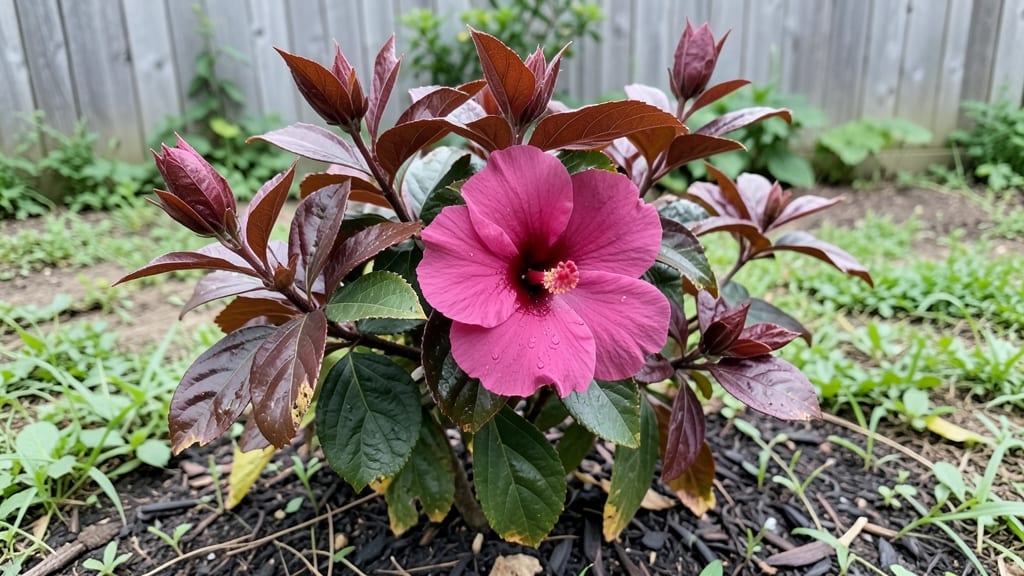
Mahogany hibiscus plants turn your yard into a lush, evergreen privacy screen with deep burgundy leaves that glow like polished mahogany. 🌿 I planted mine last spring, and within months, they transformed a bare fence into a vibrant, year-round barrier that even my neighbor envies.
The key isn’t just the planting—it’s understanding how these tropical-looking shrubs thrive in zones 10-11 (and how to adapt them for cooler climates).
You’ll need well-draining soil, full sun to partial shade, and regular watering—think of them as thirsty but not picky. They grow 3-5 feet tall and wide, so space them 4-6 feet apart for that dense, impenetrable look.
The real magic happens when they flower: bright red blooms pop against the dark foliage, making them stand out even in winter. Pruning in late winter keeps them compact and encourages fresh growth.
Once established, these plants become nearly maintenance-free, handling drought better than most hibiscus varieties. The foliage stays rich year-round, and with proper care, you’ll get blooms from spring through fall. The only catch?
If you live north of zone 10, you’ll need to treat them as container plants or bring them indoors during winter—though I’ve seen them survive mild winters with a little mulch love.
Here’s the best part: they repel pests naturally, so you won’t spend your gardening days battling aphids or whiteflies. Start with one plant, and you’ll quickly realize why gardeners swear by mahogany hibiscus for both beauty and function. Ready to grow your own privacy screen?
📚 In This Guide
- What you need
- Instructions
- Tips and common mistakes
- Wrapping up and next steps
What you need
- ● Mahogany hibiscus plants: 3–5 young plants (1–2 ft tall) or seeds (if starting from scratch). Pro tip: Check local nurseries for disease-resistant varieties!
- ● Well-draining potting mix or garden soil: 5–10 gallons per plant. Mix in compost (20–30%) for nutrient-rich soil.
- ● Organic fertilizer: Slow-release 10-10-10 or balanced liquid fertilizer (e.g., fish emulsion).
- ● Mulch: 2–3 inches of shredded bark or wood chips to retain moisture and suppress weeds.
- ● Garden trowel or shovel (for planting).
- ● Watering can or hose with a gentle spray nozzle (avoid overwatering!).
- ● Pruning shears (for shaping and maintenance).
- ○ Gloves (optional but recommended for thorny stems!).
- ○ Stakes or trellis (optional): If growing as a tall screen, use 4–6 ft stakes for support.
- ● Sunlight: Full sun (6+ hours daily) for optimal growth.
- ● Spacing: Plant 2–3 ft apart for a dense screen or 4+ ft apart for individual statement plants.
- ● Climate: Hardy in USDA Zones 3–9. Pro tip: Mulch heavily in winter for colder zones!
How to plant and maintain mahogany hibiscus for a lush privacy screen
Here's how to create a bold, evergreen barrier that thrives year-round with minimal effort.
🌱 Step 1: Choose the Perfect Planting Location
Mahogany hibiscus thrives in full sun to partial shade, with at least 6 hours of direct sunlight daily for optimal growth. I always test the spot first by observing how much sun it gets—if nearby plants are struggling, this isn't the right location. The soil should drain well, as hibiscus roots hate sitting in waterlogged conditions.
Dig a hole twice as wide as the root ball but only as deep. This encourages roots to spread horizontally instead of settling too low. If your soil is heavy clay, mix in 2 inches of coarse sand or 1 inch of perlite to improve drainage. Mahogany hibiscus loves slightly acidic soil, so a pH of 5.5-6.5 is ideal.
🪴 Step 2: Plant with Proper Spacing for Full Growth
For a 4-plant privacy screen, space each mahogany hibiscus 6-8 feet apart in a straight line. This gives them room to mature into a dense, impenetrable barrier without crowding. Remove the plant from its container and gently loosen the roots if they’re circling.
Place the root ball into the hole, ensuring the top of the root ball sits 1 inch above ground level. This prevents water from pooling around the stem and causing rot. Backfill with native soil, pressing lightly to remove air pockets but not compacting too tightly. Water deeply right after planting to settle the soil and eliminate gaps.
☀️ Step 3: Water and Mulch for Healthy Establishment
Water deeply 2-3 times per week for the first 4-6 weeks to encourage strong root growth. You’ll know it’s enough when water drains out the bottom of the hole—this ensures roots don’t suffocate. After the initial phase, reduce to once a week, checking that the top 2 inches of soil feel dry before watering again.
Spread a 3-inch layer of mulch around the base, keeping it 6 inches away from the trunk to prevent moisture buildup. I use wood chips or pine straw because they break down slowly and improve soil as they decompose. Mulch also suppresses weeds, which compete for nutrients and water.
✂️ Step 4: Prune for Shape and Encourage Bushiness
Prune in late winter or early spring before new growth begins. Cut back any dead, damaged, or crossing branches with clean, sharp pruners to maintain an open center. I always make cuts just above a leaf node or outward-facing bud to encourage bushier growth. Avoid heavy pruning in fall, as new growth won’t harden off before winter.
For a privacy screen, shape the plants into a tapered, conical form by trimming the outer branches slightly longer than the inner ones. This creates a natural, wind-resistant barrier. Fertilize lightly in early spring with a balanced, slow-release fertilizer to support new growth without overstimulating the plant.
🌿 Step 5: Monitor and Maintain Year-Round
Check for pests like spider mites or scale regularly, especially on the undersides of leaves. A strong spray of water often dislodges them, but severe infestations may require neem oil or insecticidal soap. Mahogany hibiscus is generally low-maintenance, but yellowing leaves usually mean overwatering or poor drainage.
In winter, reduce watering to once every 2-3 weeks unless you’re in a frost-prone area. These plants are evergreen but may drop some leaves in extreme cold. If you notice browning, trim back dead foliage in early spring to encourage fresh growth. With proper care, your mahogany hibiscus screen will stay lush and vibrant for years.
Tips & tricks for perfect mahogany hibiscus privacy screens
Here's what I wish I knew before planting my first mahogany hibiscus—these tricks will help your privacy screen grow into a lush, vibrant barrier.
Sunlight Secret: While mahogany hibiscus thrives in full sun to partial shade, the 6 hours of sunlight mentioned is non-negotiable for that bold foliage. I learned this the hard way—my first attempt in partial shade grew leggy and sparse. If your location gets less than 6 hours, consider supplementing with grow lights during the growing season. The deeper the green, the better the privacy screen will look!
Root Ball Placement: That 1-inch elevation above ground level in Step 2 is crucial—it prevents water from pooling around the stem, which can cause rot. I've seen many gardeners bury the root ball too deep, thinking it's better protection. Wrong! The roots need to breathe and spread horizontally. After planting, gently press the soil around the edges to create a slight well for water to settle properly.
Watering Wisdom: The 2-3 times per week for the first 4-6 weeks might seem like a lot, but it's essential for establishing strong roots. I use a moisture meter to check soil depth—when the top 2 inches feel dry, that's your cue. Overwatering is the #1 killer of mahogany hibiscus, so always check drainage after watering. If water pools for more than 15 minutes, you need better drainage.
Mulch Magic: That 3-inch layer of mulch isn't just for looks—it's a game-changer. Wood chips or pine straw break down slowly, improving soil structure over time while suppressing weeds. I keep it 6 inches away from the trunk to prevent moisture buildup that can lead to fungal issues. Pro tip: Refresh the mulch layer every spring to maintain its effectiveness.
Pro Tips for Mahogany Hibiscus Plants
- Here's what I wish I knew before planting my first mahogany hibiscus—these tricks will help your privacy screen grow into a lush, vibrant barrier.
- Sunlight Secret: While mahogany hibiscus thrives in full sun to partial shade, the 6 hours of sunlight mentioned is non-negotiable for that bold foliage.
- Root Ball Placement: That 1-inch elevation above ground level in Step 2 is crucial—it prevents water from pooling around the stem, which can cause rot.
Frequently asked questions
How fast do mahogany hibiscus plants grow?
Mahogany hibiscus grows moderately fast—about 12–24 inches per year under ideal conditions. With proper care (sunlight, water, and nutrients), you can expect a 6–8 foot privacy screen in 3–5 years. Prune regularly to encourage bushier growth and maintain shape!
How often should I water mahogany hibiscus?
Water deeply 1–2 times per week during the first year to establish roots, then once a week (or more in extreme heat). Let the top 2–3 inches of soil dry out between waterings—overwatering can cause root rot. Mulch helps retain moisture and keeps roots cool.
Can mahogany hibiscus survive winter?
These tropical beauties are semi-tender—they’ll die back in frost but often regrow from the roots if protected. In cold climates (Zone 9–11), mulch heavily and wrap young plants in burlap. If temps drop below 20°F, move potted plants indoors or cover them with frost cloth.
What are some alternatives if mahogany hibiscus isn’t available?
If you’re hunting for bold foliage and privacy, try these low-maintenance substitutes:
- Albizia (Silk Tree) – Fast-growing with feathery leaves and drought-tolerant.
- Fiddleleaf Fig – Striking foliage (but needs bright indirect light).
- Crapemyrtle – Hardy, disease-resistant, and thrives in heat.
- Lagerstroemia (Creek Tree) – Adds color with its flowers and adaptable nature.
Why are my mahogany hibiscus leaves turning yellow?
Yellow leaves usually signal overwatering, nutrient deficiency, or pests. First, check soil moisture—soggy roots = trouble. If the problem persists, test for iron or nitrogen deficiency (use a soil kit or amend with compost). Inspect undersides for spider mites or aphids and treat with neem oil if needed.
Wrapping up and next steps
Growing mahogany hibiscus plants is a rewarding way to add year-round privacy and stunning foliage to your landscape—no green thumb required! 🌿 With their low-maintenance care and striking dark leaves, they’re perfect for busy gardeners who still want a bold, tropical look.
Whether you’re planting them as a hedge, specimen, or companion, their adaptability makes them a versatile choice.
Ready to transform your space? Start by selecting the right spot, prepping the soil, and giving your mahogany hibiscus the love it deserves. Take the first step today—your future shady oasis awaits! 🌟