Companion Plants
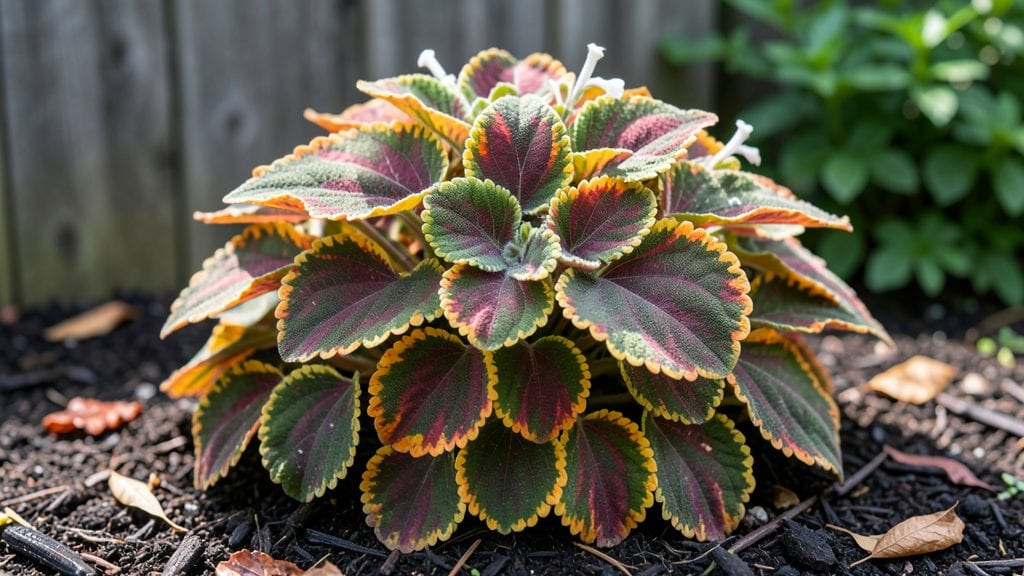
Growing large coleus plants starts with the right variety and a little patience—these bold striped beauties reward you with lush, vibrant foliage that turns heads in any garden spot. 🌿 I’ve grown coleus for years, and the key to their dramatic size isn’t mystery—it’s sunlight, consistent water, and knowing when to prune.
The right mix of care transforms delicate seedlings into towering, bushy plants that last all season.
The secret to their size lies in bright, indirect light—they’ll handle morning sun but burn in harsh afternoon rays. Use well-draining potting mix and keep soil evenly moist (not soggy), and you’ll see those leaves explode in color.
Most gardeners overlook pruning, but cutting back leggy stems encourages thicker growth. I’ve seen coleus double in size in just a few weeks with this simple trick.
By summer’s end, you’ll have 3-foot-tall powerhouses with leaves so bold they’ll outshine any flower bed. The foliage stays vibrant all season, and with proper care, they’ll even overwinter indoors. No more sad, sparse coleus—just lush, eye-catching plants that make your garden pop.
Works for containers, borders, or hanging baskets—just adjust light and water based on your setup. Let’s get those striped giants growing!
📚 In This Guide
- What you need
- Instructions
- Tips and common mistakes
- Wrapping up and next steps
What you need
- ● Coleus plants: 3–5 healthy starter plants (choose varieties with bold stripes like 'Black Dragon,' 'Wine & Roses,' or 'Rainbow').
- ● Well-draining potting mix: 10–15 gallons (for containers) or amend garden soil with compost (2–3 inches for in-ground planting).
- ● Containers (if potted): 12–18 inch pots (one per plant) with drainage holes.
- ● Sunlight: 4–6 hours of bright, indirect sunlight daily (or dappled shade in hot climates).
- ● Water: Access to soft, room-temperature water (avoid tap water if heavily chlorinated).
- ● Fertilizer: Balanced liquid fertilizer (10-10-10 or 20-20-20, diluted to half-strength).
- ● Pruning shears: Sharp, clean pair for shaping and propagation.
- ● Garden gloves: To protect hands from sap (some coleus varieties can irritate skin).
- ● Mulch: Organic mulch (e.g., shredded bark) to retain moisture and suppress weeds.
- ● Grow lights: LED or fluorescent lights for 12–14 hours/day if natural light is insufficient.
- ● Plant supports: Stakes or cages (for varieties that may flop, like 'Congo').
- ● pH testing kit: To ensure soil pH is between 6.0–6.5 (coleus thrives in slightly acidic soil).
How to grow large, bold coleus plants with striking foliage
Here’s how to coax those vibrant, oversized coleus leaves you’ve seen in garden centers—starting from small cuttings or seedlings.
🌱 Step 1: Start with Healthy Cuttings or Seedlings
Coleus grows best from cuttings, so if you’re starting fresh, take 4-6 inch stems from a healthy plant. Remove the lower leaves, leaving just a few at the top. Dip the cut end in rooting hormone (optional but helpful) before placing it in water or moist potting mix. I like to use a clear glass for water propagation so I can watch roots form—it’s satisfying when they appear in 2-3 weeks.
If buying seedlings, choose ones with vibrant, even coloring and no signs of yellowing. Avoid leggy plants—they’ll struggle to recover. Give them a week to acclimate before transplanting, and keep them in bright, indirect light until they adjust.
🪴 Step 2: Plant in Well-Draining Soil with Rich Nutrients
Fill a 6-8 inch pot with a mix of 50% potting soil and 50% perlite or coconut coir to improve drainage. Coleus roots rot easily in soggy conditions, so this blend keeps moisture balanced. Add a handful of compost or slow-release fertilizer to the mix—coleus loves feeding but hates waterlogged roots.
Plant your cutting or seedling at the same depth it was growing before. Press the soil gently around the stem to remove air pockets, but don’t pack it down. Water lightly until moisture seeps out the drainage hole, then let it sit for a day to settle. Overwatering now will smother new roots.
☀️ Step 3: Provide Bright, Filtered Light for Bold Colors
Coleus thrives in bright, indirect light—think morning sun with afternoon shade. A south-facing window works, but direct afternoon rays will bleach the leaves. If your plant stretches toward the light with pale stems, it’s not getting enough brightness. Rotate the pot quarter-turn weekly so growth stays even.
For deeper colors, reduce light slightly—coleus produces more vibrant pigments in lower light. Watch for leaves that lose their pattern or turn dull green; that’s your cue to adjust placement. In winter, supplement with a grow light 12 inches away for 6-8 hours daily.
💧 Step 4: Water and Feed for Lush, Large Leaves
Water when the top inch of soil feels dry, but never let the plant sit in water. Coleus wilts quickly when thirsty, but it also droops if overwatered. Stick your finger in the soil—if it’s damp below ½ inch, wait another day. I water deeply once a week in summer, less in winter when growth slows.
Feed every 4-6 weeks with a balanced liquid fertilizer (like 10-10-10) diluted to half strength. You’ll see new leaves emerge larger and more colorful within weeks. Stop fertilizing in fall to encourage dormancy if you’re growing outdoors.
✂️ Step 5: Prune and Propagate for Continuous Growth
Pinch back the tips of new growth when stems reach 6 inches to encourage bushier plants. This also triggers the plant to produce larger leaves. Remove any yellow or damaged leaves immediately—they sap energy. I prune mine every 2-3 months to keep them compact and vibrant.
Use those pruned cuttings to propagate new plants! Dip in rooting hormone and place in water or moist soil. Within 3-4 weeks, you’ll have fresh coleus ready to fill gaps or share with friends. This keeps your display full and your plants thriving year-round.
Tips & tricks for growing large, vibrant coleus plants
Here’s what I’ve learned from years of growing show-stopping coleus—simple tricks that make all the difference between average plants and showstopping foliage.
Rooting Hormone Hack: While rooting hormone is optional, I’ve found it cuts the 2-3 week rooting time in half when using cuttings. If you skip it, change the water every 3-4 days to prevent bacterial growth. Watch for tiny white roots forming at the base—this is your sign to transplant!
Soil Mix Secret: The 50/50 mix of potting soil and perlite is non-negotiable for preventing root rot. I add a handful of orchid bark to mine for extra aeration—coleus roots need oxygen as much as water. If your mix feels too dense, add more perlite until it’s light and fluffy.
Light Rotation Strategy: That quarter-turn weekly rotation in Step 3 isn’t just about even growth—it’s how you prevent leggy stems. I set a phone reminder because I’ve forgotten more times than I’d like to admit. If you notice one side reaching toward the light, rotate immediately to keep those bold stripes symmetrical.
Pruning Timing: When pinching back growth at 6 inches, always cut just above a leaf node (the bump where leaves grow). This encourages bushier growth and larger leaves. I prune mine right after watering—fresh cuts heal faster when the plant is hydrated, and you’ll see new growth within 2-3 weeks.
Pro Tips for Large Coleus Plants
- Here’s what I’ve learned from years of growing show-stopping coleus—simple tricks that make all the difference between average plants and showstopping foliage.
- Rooting Hormone Hack: While rooting hormone is optional, I’ve found it cuts the 2-3 week rooting time in half when using cuttings.
- Soil Mix Secret: The 50/50 mix of potting soil and perlite is non-negotiable for preventing root rot.
Frequently asked questions
Got questions about growing large coleus plants with their stunning, bold foliage? You’re not alone! Here are some of the most common queries—and their straightforward answers—to help you cultivate showstopping coleus like a pro.
How fast do large coleus plants grow?
Coleus grows moderately fast—expect 6 to 12 inches per season under ideal conditions (bright, indirect light and consistent moisture). With proper care, you can achieve large, bushy plants (2–3 feet tall) in just 3–4 months. Prune regularly to encourage fuller growth and prevent legginess!
When is the best time to plant large coleus outdoors?
Wait until after the last frost (typically late spring) when soil temps stay above 55°F (13°C). Coleus is a tender perennial and won’t survive frost—so plant after warm weather is established. In warmer climates, you can start earlier, but avoid extreme heat (above 90°F/32°C), which can scorch leaves.
Why are my large coleus leaves turning yellow or brown?
Yellowing leaves often signal overwatering or poor drainage, while brown edges usually mean underwatering or low humidity. Check soil moisture—it should stay evenly damp but not soggy. Brown patches on tips? Increase humidity with a pebble tray or misting. Pests (like spider mites) can also cause browning—inspect undersides of leaves!
Can I grow large coleus in containers, and what size pot do I need?
Coleus thrives in containers—just choose a pot at least 12–14 inches wide for mature plants (bigger pots = more stability and root space). Ensure drainage holes are present to prevent root rot. Pro tip: Use a lightweight potting mix with perlite for airflow, and fertilize every 4–6 weeks for vibrant growth.
Do large coleus plants need full sun, or can they handle shade?
While coleus loves bright, indirect light (3–6 hours of sun daily), it can tolerate partial shade—especially in hot climates where direct sun may bleach leaves. For deepest colors and largest foliage, place them near a west-facing window or under dappled sunlight. Avoid deep shade, which leads to leggy, pale growth.
How do I propagate large coleus plants to share with friends?
Propagating coleus is easy! Snip a 4–6 inch stem just below a leaf node, remove lower leaves, and dip the cut end in rooting hormone (optional). Place in water or moist potting mix, keeping it warm and humid. Roots should appear in 2–4 weeks. Once rooted, transplant to a pot—your friends will love their new striped foliage!
Wrapping up and next steps
Growing large coleus plants is a rewarding way to add vibrant, sun-loving foliage to your garden or containers!
With the right care—sunlight, well-draining soil, and consistent moisture—you’ll enjoy their bold stripes and lush growth all season long. 🌿 Whether you’re a beginner or a seasoned gardener, these plants are forgiving yet stunning, making them a perfect addition to any space.
Ready to dive in? Start by selecting your favorite varieties, gathering supplies, and giving your coleus the love it deserves. Your garden will thank you!