
Fertilization
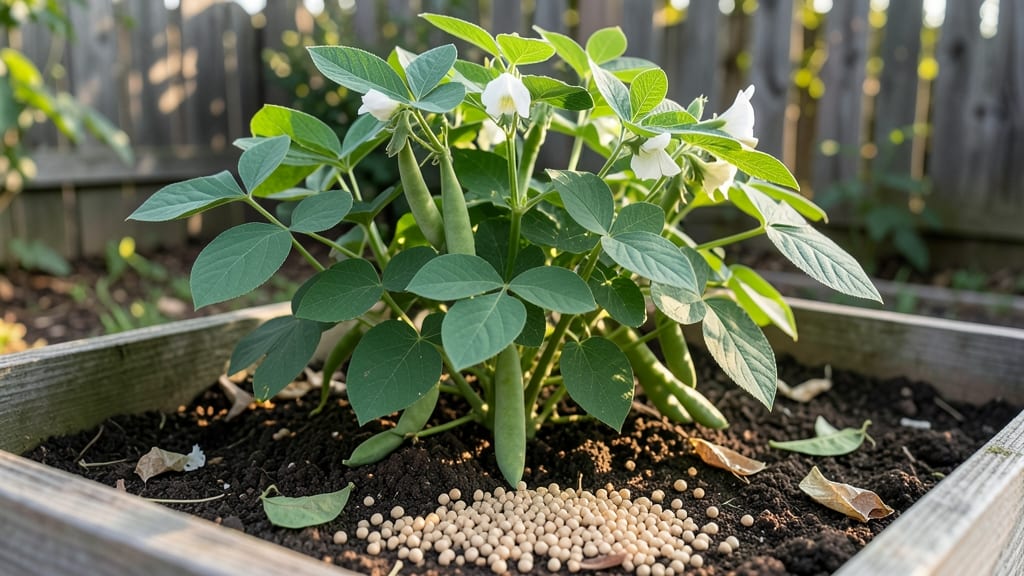
Understanding the perfect nitrogen-potassium ratio for bean plants
If your bean plants are putting all their energy into leafy growth but producing few pods, your nitrogen-potassium ratio might be off. Beans thrive with a balanced NPK approach—too much nitrogen leads to lush foliage but no beans, while potassium deficiencies stunt root and flower development.
The ideal ratio for beans is typically 5-10-10 or 10-20-10, but understanding how to interpret fertilizer labels is key to avoiding costly mistakes. Let’s break down why this ratio matters and how to apply it correctly at each growth stage.
First, let’s decode those NPK numbers on fertilizer bags. The first number (nitrogen) fuels leaf growth, the second (phosphorus) supports root and flower development, and the third (potassium) strengthens stems, flowers, and disease resistance. For beans, phosphorus is often overlooked, but it’s critical during flowering and pod set.
A 5-10-10 fertilizer means 5% nitrogen, 10% phosphorus, and 10% potassium—perfect for encouraging both foliage and fruit production without overfeeding nitrogen, which can lead to weak stems or fungal issues.
Beans are legumes, meaning they fix nitrogen from the air through root nodules, reducing their need for high-nitrogen fertilizers. Overfeeding nitrogen can actually suppress flowering, leaving you with a bush full of leaves but no pods.
Instead, focus on a moderate nitrogen approach (like the 5-10-10 ratio) and prioritize potassium during pod development to ensure sturdy plants and high yields.
Now, let’s talk timing. Apply your first balanced fertilizer when seedlings are about 4-6 inches tall and have 3-4 true leaves. This gives them a boost without overwhelming their young roots.
During flowering (4-6 weeks after planting), switch to a fertilizer with slightly higher phosphorus and potassium, like 10-20-10, to support bloom and pod formation. Avoid fertilizing within 2 weeks of harvest—this can make pods taste bitter or cause uneven ripening.
Here’s where many gardeners go wrong: they assume more fertilizer equals better results. But beans are sensitive to excess salts from synthetic fertilizers, which can burn roots or lead to nutrient imbalances. Always water thoroughly after fertilizing to help nutrients absorb and prevent salt buildup.
For organic gardeners, compost tea or a low-nitrogen fish emulsion (like 3-4-4) can be gentler alternatives that still provide the right balance.
Watch your plants for signs of imbalance. Yellowing leaves (especially older ones) often signal too much nitrogen, while weak stems or purple-tinged leaves may indicate phosphorus or potassium deficiencies. If pods are small or deformed, your plants might need more phosphorus during flowering.
Adjust your approach based on these visual cues, and don’t hesitate to test your soil every few years to refine your fertilizer strategy.
Pro tip: Mix a slow-release fertilizer (like osmocote) into the soil at planting time for a steady nutrient supply. This avoids the risk of overfeeding and keeps your beans on track for consistent growth.
Pair this with a mulch layer of compost to improve soil structure and retain moisture—beans hate soggy roots but love consistent hydration.
Let’s summarize the key ratios and stages in this quick-reference table to keep you on track:
<summary-table>| Growth Stage | Recommended NPK Ratio | Key Nutrient Focus | Application Timing |
|---|---|---|---|
| Seedling (0-4 weeks) | 5-10-10 | Moderate nitrogen + phosphorus | At planting and when 4-6" tall |
| Flowering (4-6 weeks) | 10-20-10 | Higher phosphorus + potassium | Every 3-4 weeks |
| Pod Development (6-8 weeks) | 5-10-10 or 0-0-50 (potassium boost) | Balanced nutrients or extra potassium | Every 4-6 weeks |
| Harvest (8+ weeks) | Avoid fertilizing | Focus on water and support | Stop 2 weeks before harvest |
Remember, beans are low-maintenance compared to other vegetables, but they do reward precision when it comes to fertilization. Start with a soil test to check your current nutrient levels, and adjust based on the results.
If your soil is already rich in organic matter, you might only need a light side-dressing of compost mid-season. For poorer soils, a balanced synthetic fertilizer applied sparingly can make a world of difference.
Finally, don’t forget that organic matter like compost or well-rotted manure improves soil health long-term, reducing the need for chemical fertilizers. Work a 2-inch layer of compost into the soil before planting, and top-dress annually to keep nutrients cycling naturally.
This approach not only feeds your beans but also builds a sustainable garden ecosystem for years to come.
With the right nitrogen-potassium balance and careful timing, your bean plants will shift from leafy giants to pod-producing powerhouses. Happy growing!
Best organic and synthetic fertilizers for bean plant growth
When it comes to fertilizing bean plants, the right nutrients can transform your harvest from meager to magnificent. Beans thrive on a balanced NPK ratio—typically 5-10-10 or 10-20-10—but choosing between organic and synthetic fertilizers depends on your gardening goals.
Organic options like compost and fish emulsion build soil health over time, while synthetic blends deliver quick, precise nutrition. Let’s break down the best choices for your bean patch.
I’ve tested both approaches in my garden, and each has its strengths. Organic fertilizers like banana peel tea or worm castings add microbial life to the soil, which helps beans absorb nutrients more efficiently.
On the other hand, synthetic fertilizers like slow-release granules or liquid NPK blends give you exact control over nutrient delivery. The key is knowing when to use each for maximum pod production.
Organic vs. Synthetic Fertilizers for Beans
Organic Fertilizers
- Pros: Improves soil structure, adds microbes, slow-release nutrients
- Cons: Slower results, requires more frequent applications
Synthetic Fertilizers
- Pros: Fast-acting, precise nutrient ratios, easy to apply
- Cons: Can burn plants if overused, no soil benefits
For organic fertilizers, I swear by compost tea made from kitchen scraps and garden waste.
Simply steep 1 part compost in 5 parts water for 24 hours, then strain and apply to soil. Banana peel tea is another winner—simmer peels in water for 30 minutes, cool, and use as a foliar spray or soil drench.
These options add potassium-rich nutrients that beans crave during flowering and pod development.
If you prefer synthetic options, a 5-10-10 or 10-20-10 NPK blend is ideal for beans. Apply slow-release granules at planting and again when plants reach 6 inches tall. For a quick boost, use a liquid fertilizer like Miracle-Gro All Purpose every 4-6 weeks.
Just remember: more isn’t better—beans are sensitive to excess nitrogen, which can stunt pod production.
Timing is everything. I apply organic fertilizers at planting and again when flowers appear, while synthetic fertilizers go on during early growth and pod formation. For maximum yields, pair organic soil amendments with a light synthetic top-up during peak growth.
This hybrid approach gives you the best of both worlds: soil health and immediate nutrition.
Pro tip: Always water your beans before and after fertilizing to prevent root burn. And if your leaves turn yellow, it’s a sign of nitrogen overload—cut back on fertilizer and focus on potassium-rich amendments like wood ash or greensand.
With the right mix, your bean plants will reward you with bountiful, flavorful pods all season long.