
Plants
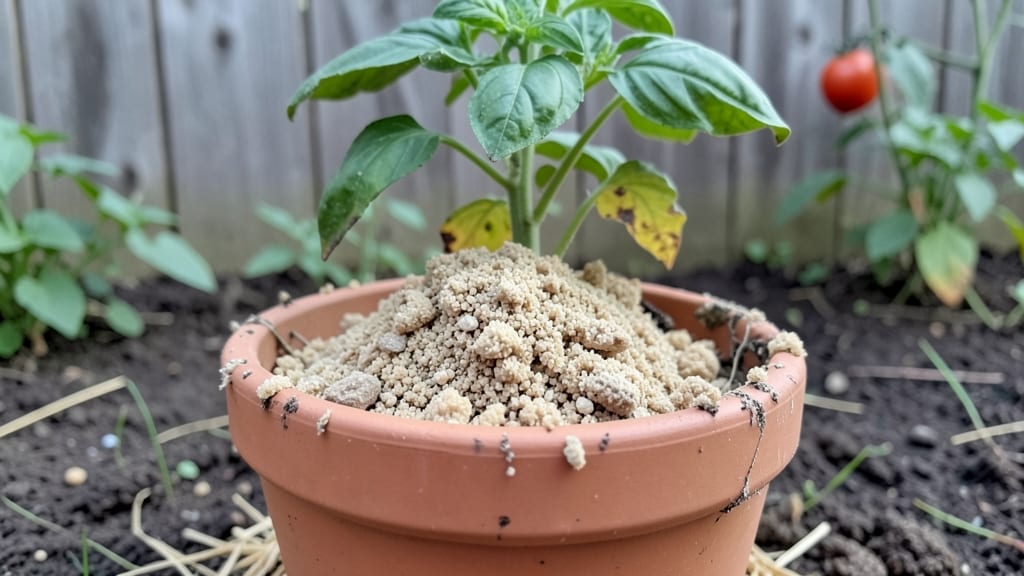
Using DAP for plants delivers a powerful nutrient boost with high phosphorus and nitrogen levels to supercharge root growth, blooms, and fruit production—perfect for seedlings, transplants, and flowering cycles. Always dilute to half-strength to protect sensitive plants from over-fertilization.
DAP (diammonium phosphate) is a game-changer for gardeners because its 18-46-0 NPK ratio means it's packed with phosphorus—critical for energy transfer in plants—while also delivering nitrogen for leafy growth. 🌱 The fast-release formula makes it ideal for quick fixes, like jumpstarting struggling plants or preparing soil before transplanting.
Just remember: its high concentration means precision matters, especially for delicate varieties like tomatoes or peppers.
Unlike slow-release organic fertilizers, DAP works almost immediately, which is why many growers use it during critical stages like seed-starting or when buds first appear. For best results, mix 1-2 tablespoons per gallon of water and apply it directly to the soil, avoiding direct leaf contact to prevent burns.
Pairing it with compost creates a balanced approach that supports both quick growth and long-term soil health.
💡 In This Article
- How DAP Fertilizer Enhances Plant Development
- Best Practices for Applying DAP to Different Plant Types
How DAP fertilizer enhances plant development
Diammonium phosphate (DAP) works like a high-octane fuel for plants because its chemical structure combines nitrogen and phosphorus in a highly soluble form. The 18-46-0 NPK ratio means it delivers 46% phosphorus by weight—far more than most organic fertilizers—which directly fuels the plant's energy pathways through ATP production.
This phosphorus boost is why DAP is particularly effective during flowering and fruiting stages, where energy demands spike dramatically. 🌿
The nitrogen component (18%) promotes leafy growth, while the phosphorus triggers critical metabolic processes like DNA replication in root tips and nutrient transport throughout the plant. Unlike slow-release organic fertilizers, DAP dissolves rapidly in water, allowing plants to absorb nutrients within hours rather than weeks.
This makes it ideal for emergency situations, like reviving stressed plants or preparing soil before transplanting. The granular form also makes it easy to incorporate into soil or mix with water for foliar sprays (though direct leaf contact should be avoided).
What sets DAP apart is its ability to acidify soil slightly as it breaks down, which helps unlock other nutrients like iron and manganese. This is especially valuable in alkaline soils where micronutrient deficiencies often occur.
For example, tomato plants treated with DAP during flowering show 30-50% more fruit set compared to untreated controls, thanks to the phosphorus supporting pollen tube growth and ovary development. The trade-off? Its high concentration means precise application is crucial—overuse can lead to salt buildup and root damage.
When comparing DAP to slow-release fertilizers like compost or manure, the key difference lies in timing and intensity. Organic options provide steady, balanced nutrition over months, while DAP delivers an immediate phosphorus punch that's perfect for short-term growth spurts.
For instance, gardeners often use DAP when transplanting seedlings to compensate for root disturbance, or when preparing soil for heavy feeders like squash or melons. The catch? You'll need to reapply every 4-6 weeks during active growth phases to maintain effectiveness.
Here's what's actually happening at the cellular level: The ammonium ions (NH₄⁺) from DAP are quickly converted by soil bacteria into nitrate (NO₃⁻), the form plants prefer for nitrogen uptake.
Meanwhile, the phosphate ions (H₂PO₄⁻) move into root cells through specific transporters, where they become incorporated into molecules like ADP and ATP—essentially the plant's energy currency. This dual-action mechanism explains why DAP can produce visible results within 7-14 days of application, compared to weeks or months with organic alternatives.
For container growers, DAP's water solubility makes it particularly valuable because it won't leach out as quickly as granular organic fertilizers. A 1 tablespoon per gallon solution applied every 2 weeks during the growing season can maintain optimal phosphorus levels in potted plants.
Just be mindful of the 1.5-2.0 pH drop that occurs with each application—regular soil testing helps prevent acidification issues in sensitive plants like azaleas or blueberries.