
Pruning
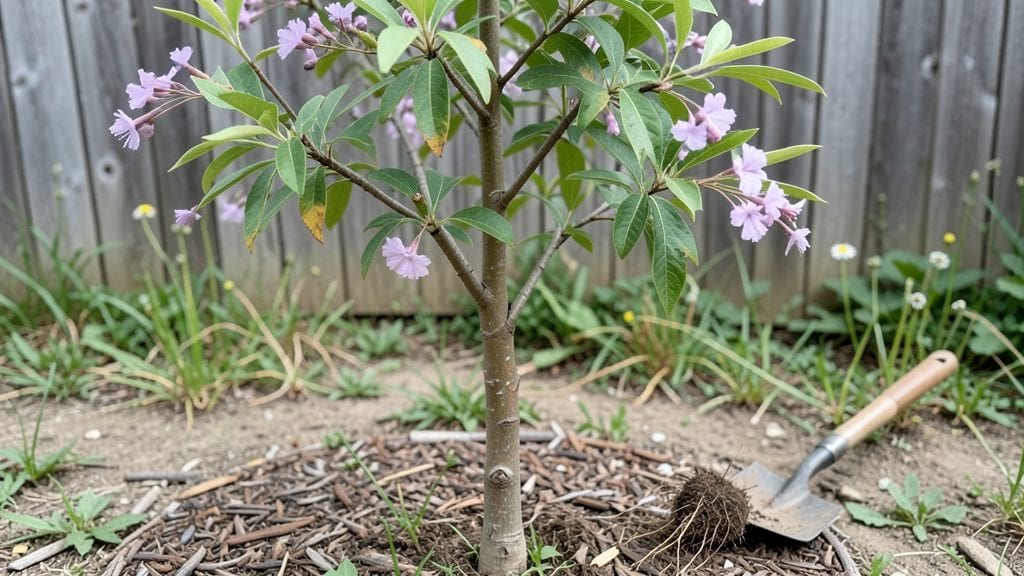
Mastering crape myrtle planting and care ensures your yard bursts into a sun-drenched showstopper with vibrant blooms from summer through fall. I’ve planted dozens over the years, and the secret to their success isn’t complicated—it’s about matching their needs to your space.
These shrubs thrive in full sun, tolerate poor soil, and even handle drought once established, making them the low-maintenance star of any landscape.
The real magic happens when you get the basics right: well-draining soil, proper spacing (6–10 feet apart for mature plants), and the right timing—spring or early fall. Skip the heavy clay or waterlogged spots, and you’ll avoid the most common early-stage struggles like wilting or stunted growth.
Most people overlook soil prep, but amending with compost at planting makes all the difference in root development.
By summer, you’ll be rewarded with clusters of lavender, pink, or white flowers that hummingbirds adore, followed by striking bark in winter. Pruning in late winter keeps them shaped and blooming heavily, while a light fertilizer in spring ensures steady growth.
Even in tough climates, cold-hardy varieties like ‘Natchez’ or ‘Muskogee’ deliver drama without fuss.
Whether you’re lining a driveway, anchoring a border, or adding height to a foundation planting, crape myrtles bring year-round interest with minimal effort. Let’s get yours planted and thriving—your neighbors will be asking for your secrets by next summer.
📚 In This Guide
- What you need
- Instructions
- Tips and common mistakes
- Wrapping up and next steps
What you need
- ● Crape myrtle plants: 1–3 nursery-grown saplings (3–6 feet tall, depending on desired maturity). Choose disease-resistant varieties like ‘Natchez’ or ‘Muskogee’.
- ● Shovel or trowel: 1 medium-sized digging tool for planting holes.
- ● Garden gloves: 1 pair (to protect hands from thorns and soil).
- ● Mulch: 2–3 bags (3–4 inches of organic mulch like pine straw or shredded bark to retain moisture and suppress weeds).
- ● Slow-release fertilizer: 1 bag (10–20 lbs, 10-10-10 NPK ratio for balanced growth).
- ● Watering can or hose with nozzle: 1 (for gentle, deep watering).
- ● Pruning shears: 1 pair (sharp, bypass-style for clean cuts).
- ● Soil amendment: Compost or peat moss (1–2 bags) if your soil is heavy clay or sandy.
- ● Plant supports: 1–2 stakes or cages (for young, top-heavy varieties like ‘Acoma’).
- ● Drip irrigation kit: (for automated watering in dry climates).
- ● Plant markers: Labels or flags to track varieties (especially useful for mixed plantings!).
Step-by-Step guide for planting and caring for crape myrtles
Here's how to establish crape myrtles with confidence—sunlight, soil, and seasonal care all aligned for vibrant growth.
Select the Perfect Planting Site and Prepare the Soil
Crape myrtles thrive in full sun, so choose a location with at least 6-8 hours of direct sunlight daily. Avoid low-lying areas where cold air settles, as these shrubs are sensitive to frost pockets. The ideal spot offers both sun exposure and good air circulation to prevent fungal diseases.
Test your soil's drainage by digging a 12-inch deep hole—if water pools after 30 minutes, amend the site with 2-3 inches of coarse sand or gravel mixed into the native soil. Crape myrtles despise soggy roots, so prioritize well-draining soil. If your soil is heavy clay, blend in 3 cubic feet of compost per planting hole to improve structure and fertility.
Dig the Hole and Plant at the Correct Depth
Dig a hole twice as wide as the root ball but only as deep as the container's root base—planting too deep suffocates the trunk and invites rot. Gently remove the shrub from its container and loosen any circling roots with your fingers. This encourages outward growth rather than a girdled root system.
Place the crape myrtle in the hole so the top of the root ball sits 1-2 inches above ground level. The trunk flare (where roots meet stem) should be visible above the soil line. Backfill with native soil, tamping lightly every 2 inches to eliminate air pockets. Water deeply to settle the soil around the roots, then create a 3-inch high berm around the base to direct water away from the trunk.
Water Thoroughly and Mulch for Retention
After planting, water the crape myrtle until 2 gallons per inch of trunk diameter have soaked into the soil. For a 4-inch diameter trunk, that means 8 gallons total. Check moisture by sticking your finger 3 inches deep—it should feel damp but not soggy. Overwatering at this stage leads to root rot, which crape myrtles are particularly prone to.
Apply 2-3 inches of mulch (such as pine bark fines or shredded hardwood) around the base, keeping it 3 inches away from the trunk to prevent moisture buildup. Mulch conserves soil moisture and regulates temperature, but avoid piling it against the stem. Replenish mulch annually as it breaks down, and remove any that accumulates against the trunk during winter.
Prune for Shape and Health During Dormancy
Wait until late winter or early spring, just before new growth begins, to prune crape myrtles. Remove dead, diseased, or crossing branches first, cutting back to the nearest healthy bud or branch collar. Then, shape the shrub by trimming 1/3 of the oldest stems to the ground—this rejuvenates the plant and encourages fresh, vigorous growth from the base.
Never "top" crape myrtles by cutting the main stems—this creates unsightly stubs and weakens the plant. Instead, focus on opening the center for better airflow and sunlight penetration. After pruning, apply a balanced fertilizer (10-10-10) at 1/4 pound per inch of trunk diameter to support new growth. Water lightly after fertilizing to help nutrients absorb into the soil.
Monitor for Pests and Adjust Care Seasonally
Inspect crape myrtles monthly for signs of aphids, scale, or spider mites—common pests that thrive in hot, dry conditions. Treat infestations early with horticultural oil or insecticidal soap, applying in the early morning or late evening to avoid harming beneficial insects. Avoid chemical pesticides, as they can damage the plant's delicate bark and foliage.
Reduce watering in summer months to once every 7-10 days, allowing the top 2 inches of soil to dry out between waterings. Overwatering stresses crape myrtles and promotes fungal diseases. In fall, apply a high-phosphorus fertilizer (5-10-5) to encourage root development and prepare the plant for winter. Stop fertilizing by mid-October to allow the shrub to harden off before cold weather.
Tips & tricks for perfect crape myrtle planting and care
These essential insights will help you avoid common pitfalls and ensure your crape myrtles thrive from day one.
Soil Preparation Strategy: When testing soil drainage in Step 1, dig your 12-inch hole in a spot where you plan to plant—this gives you real-world data. If water pools after 30 minutes, mix in 2-3 inches of coarse sand or gravel directly in the planting hole rather than amending the entire garden bed. This targeted approach prevents root suffocation while keeping the rest of your yard's soil structure intact.
Planting Depth Precision: In Step 2, the 1-2 inch elevation above ground level is critical—this prevents crown rot while allowing the trunk flare to breathe. Use a level to ensure the root ball sits perfectly horizontal. I've seen many gardeners plant too deep, which suffocates the plant and leads to early decline. Mark the correct depth on your shovel handle as a visual guide for future plantings.
Watering Science: The 2 gallons per inch of trunk diameter calculation in Step 3 might seem excessive, but it's essential for establishing strong roots. For a 4-inch diameter trunk, those 8 gallons should be delivered slowly over 20-30 minutes to prevent runoff. Consider using a soaker hose placed at the base for even distribution without disturbing the soil.
Pruning Timing: The late winter/early spring window in Step 4 is non-negotiable for crape myrtles. Prune just as buds begin to swell—this timing encourages vigorous new growth. I've learned the hard way that pruning too early (in winter) can expose tender growth to cold damage, while pruning too late (spring) removes flower buds. Watch for those tiny green buds forming at the stem junctions as your cue to prune.
Pro Tips for Crape Myrtle Planting And Care
- These essential insights will help you avoid common pitfalls and ensure your crape myrtles thrive from day one.
- Soil Preparation Strategy: When testing soil drainage in Step 1, dig your 12-inch hole in a spot where you plan to plant—this gives you real-world data.
- Planting Depth Precision: In Step 2, the 1-2 inch elevation above ground level is critical—this prevents crown rot while allowing the trunk flare to breathe.
Frequently asked questions
Got questions about keeping your crape myrtle thriving? Here are some of the most common ones—plus expert answers to help you avoid pitfalls and grow a stunning shrub with minimal stress.
When is the best time to plant crape myrtles?
The ideal window is early spring or fall—when soil is workable but not scorching. Planting in summer can stress young roots, while winter’s chill may delay establishment. For container-grown plants, you can push it to late spring if you water deeply afterward. Pro tip: Amend soil with compost to boost root growth!
Do crape myrtles need winter protection?
Most varieties are hardy down to USDA Zone 7, but younger trees or tender cultivars (like ‘Muskogee’) may need a light wrap with burlap or frost cloth in harsh winters. Avoid heavy mulch piles around the base—keep it 3–4 inches deep to prevent rot. Bonus: Prune in late winter to encourage fresh spring blooms!
What pests or diseases should I watch for?
Crape myrtles are tough, but keep an eye out for:
- Aphids: Spray with water or neem oil if clusters appear.
- Powdery mildew: Improve airflow and avoid overhead watering.
- Crape myrtle bark scale: Scrape off infested bark and treat with horticultural oil.
Can I grow crape myrtles in containers?
Dwarf varieties like ‘Acoma’ or ‘Tonto’ thrive in 15–20 gallon pots with well-draining soil. Use a mix of potting soil and perlite, and repot every 2–3 years. Place containers in full sun and water when the top inch of soil is dry. Container hack: Elevate pots to prevent root rot!
How do I prune crape myrtles correctly?
Avoid the “crape murder” look! Prune only to:
- Remove dead or crossing branches in late winter.
- Shape lightly after flowering to maintain form.
Wrapping up and next steps
Planting and caring for a crape myrtle is a rewarding journey that brings vibrant color and texture to your landscape year-round! 🌸 With the right sunny spot, well-draining soil, and a little pruning know-how, you’ll enjoy stunning blooms and minimal fuss.
Whether you’re a gardening novice or a seasoned pro, this sun-loving shrub is a game-changer for curb appeal and easy maintenance.
Ready to transform your outdoor space? Grab your gloves, pick out your favorite variety, and get planting—your future blooms will thank you! Next up: Watch your crape myrtle thrive with seasonal tips and troubleshooting tricks.