
Succulent
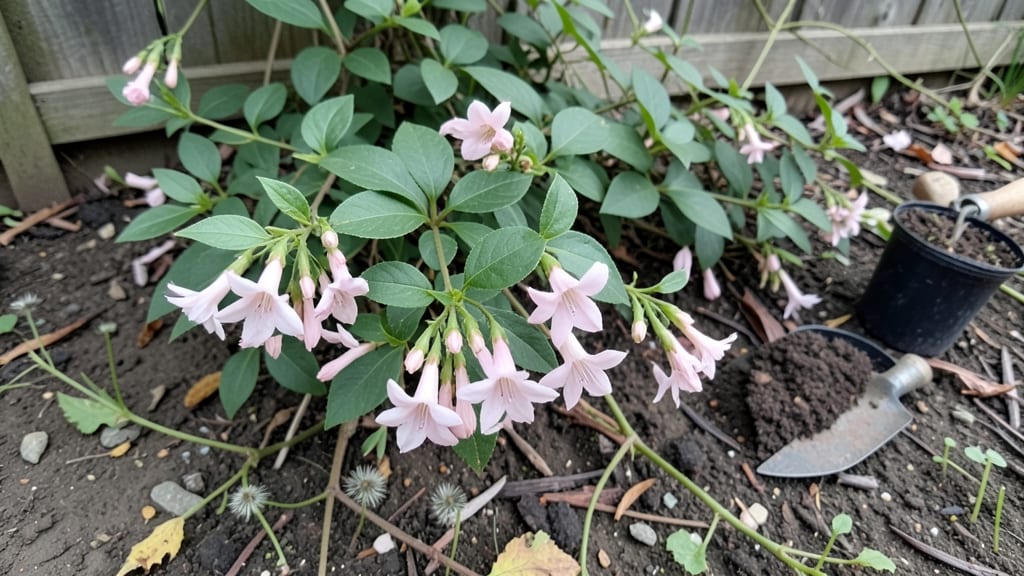
Planting pink jasmine transforms any space into a fragrant sanctuary with its velvety blossoms and intoxicating scent. 🌿 I’ve found that the key to getting those year-round blooms starts with the right planting site—one that mimics its natural woodland understory.
Too much harsh sun scorches the leaves, while too much shade stifles the flowers, so finding that sweet spot is everything.
The secret to minimal pruning lies in understanding its growth habit: this jasmine thrives when given a trellis or sturdy fence to climb, which also keeps the plant compact and flowering-heavy.
Most gardeners overwater, but pink jasmine actually prefers slightly dry soil—think of it as a drought-tolerant vine with a sweet tooth for fragrance rather than moisture. A well-draining mix with compost works wonders, and mulching helps retain just enough moisture.
By late spring, you’ll see those pink, star-shaped blooms appearing in clusters, filling the air with a heady, sweet perfume that lasts long after the flowers fade.
The plant rewards patience with nearly continuous blooming from spring through fall, and with proper winter care, it keeps surprising you with occasional blossoms even in colder months. The fragrance alone makes the effort worthwhile.
Here’s where most gardeners trip up: pruning too late in the season or cutting back too aggressively. The plant blooms on new wood, so a light trim after flowering encourages fresh growth.
A 5-minute monthly check for dead or crossing branches keeps it looking tidy without sacrificing next year’s blooms. Let’s get those roots in the ground and the fragrance in the air.
📚 In This Guide
- What you need
- Instructions
- Tips and common mistakes
- Wrapping up and next steps
What you need
- ● Pink jasmine plant: 1 healthy nursery-grown cutting or young plant (ensure it’s disease-free).
- ● Well-draining potting mix: 1 bag (10-15 quarts) of a blend designed for jasmine or succulents (e.g., 50% cactus/succulent mix + 50% perlite or pumice).
- ● Container or garden bed: Container option: 1-2 pots (12–18 inches in diameter) with drainage holes, or a hanging basket (for trailing varieties).
- ● Garden bed option: A sunny, sheltered spot with loose, well-draining soil (amend with compost if needed).
- ● Slow-release fertilizer: 1 packet (e.g., 14-14-14 or osmocote) for balanced nutrition.
- ● Pruning shears: 1 pair (sterilized with rubbing alcohol).
- ● Gloves: 1 pair (to protect hands from thorns).
- ● Mulch: Pine bark or gravel (to retain moisture and suppress weeds).
- ● Support structure: A trellis or obelisk (if training vertically).
- ● Spray bottle: For misting (if humidity is low).
- ● Soil moisture meter: To check drainage before planting.
- ● Sunlight: 6+ hours of indirect light daily (morning sun is ideal; avoid harsh afternoon rays).
- ● Climate: Thrives in USDA Zones 7–10 (can be grown in colder zones as a container plant, brought indoors in winter).
- ● Watering routine: Keep soil evenly moist but not soggy (overwatering is the #1 killer!).
Step-by-Step instructions for planting pink jasmine
Here’s how I plant pink jasmine for lush, fragrant vines that bloom reliably year after year.
🌱 Step 1: Choose the Perfect Location and Prepare the Soil
Pink jasmine thrives in well-draining soil with full sun to partial shade—at least 6 hours of sunlight daily for optimal blooms. I always pick a spot where the plant can climb a trellis, fence, or arbor, as its vines can grow 15-20 feet if given support. Avoid heavy clay soil; instead, amend with 2-3 inches of compost mixed into the top 12 inches of soil to improve aeration and drainage.
Before planting, loosen the soil with a garden fork to a depth of 12 inches, breaking up any compacted layers. Pink jasmine prefers slightly acidic to neutral soil (pH 6.0-7.0). If your soil is heavy or poorly draining, mix in 1 part perlite or coarse sand to 3 parts soil to create a lighter, more breathable medium. This step ensures roots establish quickly and avoids waterlogged conditions that can rot stems.
🪴 Step 2: Dig the Hole and Plant the Jasmine
Dig a hole twice as wide as the root ball but only as deep as the container it came in. Pink jasmine roots are sensitive to deep planting, so burying the base too far can suffocate the plant. Gently remove the jasmine from its container and loosen any circling roots with your fingers. This prevents root binding, which restricts growth.
Place the plant in the hole, ensuring the top of the root ball sits level with the surrounding soil. Fill the hole with soil, pressing lightly around the edges to eliminate air pockets. Water deeply to settle the soil and encourage root contact. Avoid compacting the soil too firmly—it should feel like a firm handshake, not a rock. Mulch the base with 2-3 inches of organic mulch, like shredded bark, to retain moisture and regulate soil temperature.
☀️ Step 3: Provide Support and Water Consistently
Install a trellis, fence, or arbor within 1-2 feet of the planting site to give the jasmine immediate support. The vines will twine naturally, but providing structure early prevents weak, sprawling growth. Water the plant deeply once a week, ensuring the soil stays evenly moist but not soggy. You’ll know it’s right when the top 2 inches of soil feel dry to the touch before the next watering.
Pink jasmine is drought-tolerant once established, but young plants need consistent moisture to develop strong roots. I avoid overhead watering to prevent fungal diseases like powdery mildew. Instead, water at the base early in the morning so leaves have time to dry before evening. Fertilize lightly with a balanced, slow-release fertilizer (10-10-10) at planting and again in early spring to encourage lush, fragrant blooms.
✂️ Step 4: Prune for Shape and Encourage Blooms
Prune pink jasmine after flowering in late spring or early summer to shape the plant and promote denser growth. Use clean, sharp pruners to cut back any leggy or overgrown stems by one-third, focusing on branches that cross or rub against each other. This opens the plant to better airflow and sunlight penetration, which reduces disease risk and encourages more blooms.
Remove any dead, diseased, or weak stems immediately—they drain energy from the plant. I also trim back any suckers that grow at the base to redirect the plant’s focus upward. Avoid heavy pruning in fall or winter, as new growth won’t harden off in time for cold weather. With minimal pruning, pink jasmine will reward you with fragrant, repeat-blooming flowers from spring through fall.
Tips & tricks for perfect pink jasmine planting
These game-changing strategies will help your pink jasmine thrive with minimal fuss and maximum fragrance.
Soil Preparation Secret: The 12-inch soil loosening in Step 1 is non-negotiable for pink jasmine. I use a garden fork to break up compacted layers all the way down—this prevents root suffocation and encourages deep root growth. For heavy clay soils, mix in that 1:3 perlite ratio before planting to create ideal drainage. Think of it as giving your plant's roots a spa treatment rather than a prison sentence.
Planting Depth Technique: When you're placing your jasmine in Step 2, remember this visual cue: the top of the root ball should sit flush with the surrounding soil, not buried. I mark the container with a pencil before removing the plant to ensure perfect placement. Burying too deep suffocates the stem, while planting too shallow exposes roots to drying winds.
Watering Wisdom: The "deeply once a week" guideline in Step 3 assumes average conditions. In hotter climates, you might need to water every 5 days, while cooler areas may only need watering every 10 days. Always check that top 2 inches of soil—this is your moisture gauge. I water in the morning to prevent fungal issues and use a soaker hose for even distribution without wetting the leaves.
Pruning Pro Tip: When you're cutting back those leggy stems in Step 4, make your cuts just above a leaf node or bud. This encourages new growth from exactly where you want it. I always prune after flowering because the plant stores energy in its stems during bloom season—cutting then would sacrifice next year's flowers. Think of it as harvesting your plant's energy reserves strategically.
Pro Tips for Planting Pink Jasmine
- These game-changing strategies will help your pink jasmine thrive with minimal fuss and maximum fragrance.
- Soil Preparation Secret: The 12-inch soil loosening in Step 1 is non-negotiable for pink jasmine.
- Planting Depth Technique: When you're placing your jasmine in Step 2, remember this visual cue: the top of the root ball should sit flush with the surrounding soil, not buried.
Frequently asked questions
Got questions about planting and caring for pink jasmine? You’re not alone!
Here are some of the most common queries—plus expert answers to help you grow fragrant, thriving vines with ease.
When is the best time to plant pink jasmine?
Plant pink jasmine in early spring (after the last frost) or early fall for the best root establishment. Avoid extreme heat or cold, as young plants are sensitive. If you’re in a mild climate, spring is ideal—just ensure the soil is warm (60°F+) to encourage vigorous growth.
How long does it take for pink jasmine to bloom?
With proper care, pink jasmine typically blooms 1–2 years after planting, though some vigorous varieties may flower sooner. Patience is key—ensure it gets full sun (6+ hours daily) and well-draining soil. Once established, it rewards you with year-round blooms in warm climates!
Can pink jasmine grow in containers? What size pot do I need?
Pink jasmine thrives in containers, making it perfect for patios or balconies. Use a pot at least 12–18 inches wide and deep with drainage holes. Choose a lightweight mix (like 60% potting soil + 40% perlite) to prevent root rot. Prune regularly to control sprawl—it’s a fast grower!
Why aren’t my pink jasmine leaves turning green? (They’re yellow or brown!)
Yellowing leaves often signal overwatering or poor drainage. Let the top 1–2 inches of soil dry out between waterings, and ensure your pot has drainage. Brown edges? It could be underwatering or sunburn—try moving it to morning sun only. Fertilize lightly in spring/summer to boost health.
Is pink jasmine toxic to pets?
Pink jasmine (Jasminum polyanthum) is non-toxic to cats and dogs, according to the ASPCA. However, always monitor your pets—some may nibble out of curiosity. If you’re unsure, opt for a hanging basket to keep it out of reach!
Wrapping up and next steps
Planting pink jasmine is a rewarding way to fill your garden—or even your balcony—with year-round fragrance and beauty while keeping maintenance simple. With the right soil, sunlight, and a little patience, you’ll enjoy its delicate blooms and heady scent for seasons to come. 🌸
Ready to transform your space? Start by gathering your supplies, then follow the steps above to plant your pink jasmine. Watch it thrive—and soon, you’ll be sharing tips with fellow plant lovers! 🌱✨
- Next step: Mark your calendar for a light pruning session in early spring to encourage fresh growth.
- Bonus: Snap a photo of your blooming jasmine and tag us—we love seeing your progress!