
Shrubs
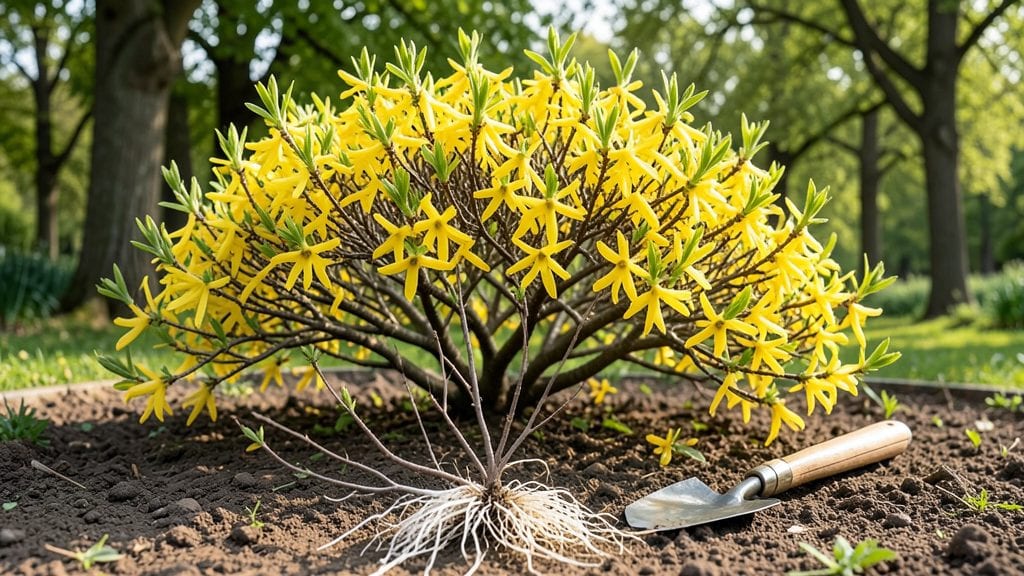
Planting forsythia bushes transforms your yard into a springtime explosion of yellow cheer. 🌸 I’ve planted dozens over the years, and the secret to their vibrant blooms starts with the right spot and soil—too much shade or soggy ground, and you’ll wait forever for those bright flowers.
The best time to plant is early spring or fall, when soil is workable but not freezing.
You’ll need well-draining soil, a sunny location (at least 6 hours of sunlight daily), and space—forsythia bushes spread 6 to 10 feet wide if left unpruned. Dig a hole twice as wide as the root ball but no deeper, then mix in compost to give them a nutrient boost.
Watering after planting keeps roots happy without drowning them.
Once planted, mulch around the base to retain moisture and suppress weeds, but keep it 3 inches away from the stem. Within a year, you’ll see new growth, and by spring, those iconic yellow clusters will light up your landscape earlier than most shrubs.
The key is patience—forsythia thrives when given room to grow and consistent care.
For containers, choose a pot at least 2 feet wide with drainage holes, and prune lightly after flowering to keep them compact. In colder zones, protect young plants with burlap wraps until they establish. The payoff? Decades of low-maintenance color that starts the gardening season right.
📚 In This Guide
- What you need
- Instructions
- Tips and common mistakes
- Wrapping up and next steps
What you need
- ● Forsythia bushes: 1–3 plants (depending on spacing; Forsythia intermedia or Forsythia × 'Spring Glory' are popular choices).
- ● Planting hole: Dig a hole twice as wide as the root ball and slightly shallower than the container.
- ● High-quality potting soil or native soil: 1–2 bags (amend with compost for better drainage).
- ● Organic mulch: 2–3 inches (shredded bark or pine straw to retain moisture).
- ● Garden gloves: 1 pair (to protect your hands from thorns and dirt).
- ● Watering can or hose: With a gentle spray nozzle for post-planting hydration.
- ○ Pruning shears: (Optional but helpful for trimming dead branches post-planting).
- ● Fertilizer: Slow-release granular fertilizer (follow package instructions).
- ● Plant stakes or cages: For support if planting in windy areas.
- ● Soil pH tester: Forsythia prefers slightly acidic to neutral soil (pH 6.0–7.0).
- ● Drip irrigation system: For consistent moisture during establishment.
- ● Epsom salt: (1 tbsp per plant) for magnesium boost if leaves look pale.
How to plant forsythia bushes for vibrant spring blooms
Forsythia thrives with minimal fuss—here's how to plant them for bold, early-season color that lasts decades.
🌱 Step 1: Choose the Perfect Planting Spot
Forsythia loves full sun—at least 6 hours daily—but tolerates partial shade in hotter climates. I always pick a spot with well-draining soil; these bushes hate soggy roots. Test your soil by digging a 12-inch hole—if water pools after 30 minutes, amend with 2 inches of compost to improve drainage.
Watch for power lines or overhanging branches—forsythia grows 8-12 feet tall and wide over time. Plant at least 10 feet from structures to avoid pruning headaches later. The best time to plant is in early spring or fall, when temperatures are mild (40-60°F).
🪴 Step 2: Dig and Prepare the Planting Hole
Dig a hole twice as wide as the forsythia's root ball but only as deep. This prevents burying the stem too deeply, which can suffocate the plant. Loosen the sides of the hole with a shovel to encourage root spread. If your soil is heavy clay, mix in 1 part compost to 3 parts native soil at the bottom of the hole.
Gently remove the forsythia from its container and tease apart any circling roots with your fingers. This helps roots grow outward instead of staying compacted. Place the bush in the hole so the top of the root ball sits 1 inch above ground level. The stem should never be buried deeper than it was in the nursery pot.
💧 Step 3: Plant and Water Thoroughly
Backfill the hole with native soil, pressing lightly around the edges to remove air pockets. Water immediately with 2 gallons of water to settle the soil and eliminate gaps. You'll see the soil sink slightly—this is normal. Add a 2-inch layer of mulch (like shredded bark) around the base, keeping it 3 inches away from the stem to prevent rot.
Water again after 3-4 days to encourage root establishment. Overwatering now can drown new roots, so let the top 2 inches of soil dry out between waterings. Forsythia is drought-tolerant once established, but young plants need consistent moisture for the first 2 growing seasons.
☀️ Step 4: Prune for Shape and Health
After planting, trim any dead or damaged branches with clean, sharp pruners. Cut just above a leaf bud or outward-facing branch to encourage fuller growth. Avoid heavy pruning in the first year—let the bush focus on root development. In late winter or early spring, prune again to remove one-third of the oldest stems at the base. This keeps the bush youthful and flowering vigorously.
You'll notice new growth emerging from the base in 4-6 weeks. This is your signal that the plant is settling in. Forsythia blooms on old wood, so prune after flowering to avoid cutting off next year's buds. If you see yellowing leaves, it's usually a sign of overwatering—reduce frequency and let the soil dry more between waterings.
⏰ Step 5: Maintain for Long-Term Beauty
Fertilize lightly in early spring with a 10-10-10 balanced fertilizer (use ½ cup per bush). Water deeply after applying. Forsythia rarely needs fertilizer, but a little boost encourages stronger blooms. Avoid high-nitrogen fertilizers—they promote leafy growth at the expense of flowers.
Watch for pests like aphids or scale, which can appear on new growth. Spray with neem oil if you see sticky residue on leaves. Forsythia is generally pest-free but can suffer from powdery mildew in humid climates. Improve airflow by thinning crowded branches and water at the base (never overhead) to keep foliage dry.
Tips & tricks for planting forsythia bushes
These simple tricks will help your forsythia thrive and reward you with vibrant spring blooms for years to come.
Soil Test Tip: That 30-minute water test in Step 1 is your best indicator of drainage. If water disappears quickly, you're good to go. If it pools, mix in more compost or sand to improve drainage—forsythia roots can't handle soggy conditions. I've seen roots rot when planted in heavy clay without proper amendments, so don't skip this test!
Root Handling Technique: When teasing apart circling roots in Step 2, be gentle but thorough. These roots will grow outward naturally once planted. I learned this the hard way after watching a forsythia struggle for years because I didn't loosen the compacted roots properly. Think of it like untangling headphones—just enough to free them up without damaging the strands.
Watering Wisdom: The 2 gallons of water in Step 3 should sink in completely within 10-15 minutes. If it pools on top, your hole isn't deep enough. The goal is to saturate the root zone without creating a swamp. After that first watering, let the top 2 inches dry out before watering again—this prevents root suffocation while keeping the plant established.
Pruning Secret: That 4-6 week wait for new growth in Step 4 is your green light to assess pruning needs. If you see vigorous new shoots coming from the base, your plant is happy and ready for light shaping. I always prune in late winter when the plant is dormant—this prevents bleeding sap and gives you a clear view of the structure.
Pro Tips for Planting Forsythia Bushes
- These simple tricks will help your forsythia thrive and reward you with vibrant spring blooms for years to come.
- Soil Test Tip: That 30-minute water test in Step 1 is your best indicator of drainage.
- Root Handling Technique: When teasing apart circling roots in Step 2, be gentle but thorough.
Frequently asked questions
Got questions about planting forsythia bushes? You’re not alone! Here are some of the most common concerns—and straightforward answers—to help you grow these cheerful shrubs with confidence.
When is the best time to plant forsythia bushes?
Plant forsythia in early spring or fall when the soil is workable but not frozen. Spring planting (March–April) gives roots time to establish before summer heat, while fall (September–October) avoids extreme temperatures. Avoid planting in mid-summer—the heat stresses young roots.
How much sun do forsythia bushes really need?
Forsythias thrive in full sun (6+ hours daily), but they tolerate partial shade (4–6 hours). Too little light? Expect fewer blooms and leggy growth. For best results, choose a spot with morning sun and afternoon shade in hot climates to prevent wilting.
Can I plant forsythia in a container or just the ground?
Yes! Forsythias adapt well to containers (15–20 gallons) if you use well-draining soil and repot every 2–3 years. For ground planting, dig a hole twice as wide as the root ball but only as deep. Amend heavy clay soil with compost to improve drainage.
Why aren’t my forsythia bushes blooming?
Common culprits include over-fertilizing (especially with high nitrogen), pruning at the wrong time (after blooming), or poor sunlight. Prune in late winter/early spring (before buds swell) to encourage next year’s flowers. If established, they may take 2–3 years to bloom.
Are forsythia bushes invasive or aggressive?
Not typically! Forsythias have moderate spread (12–15 feet wide) but aren’t considered invasive. To control size, prune annually in late winter. If planted near hardscapes, give them 3–4 feet of clearance to prevent root competition with nearby plants.
Still stumped? Drop your question in the comments—we’re happy to help!
Wrapping up and next steps
Planting forsythia bushes is a rewarding way to welcome spring with vibrant color and effortless beauty! 🌸 These cheerful shrubs thrive in sunny spots, demand minimal care, and offer years of blooms—perfect for both beginners and seasoned gardeners.
Whether you’re brightening a border, adding height to a foundation, or simply craving an early-season pop of yellow, forsythia delivers.
Now that you’re armed with the right tools, timing, and techniques, it’s time to roll up your sleeves and get planting!
Start by selecting a sunny patch in your yard, prep the soil, and watch your garden transform into a springtime masterpiece. Happy planting—your future blooms will thank you! 🌿✨