
Plants
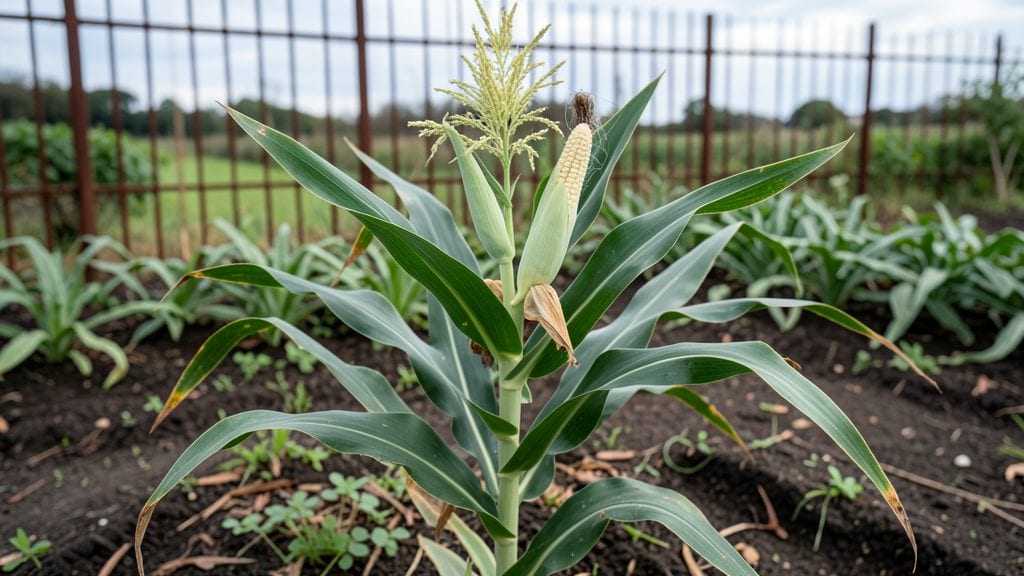
A corn plant's lifespan indoors usually spans 5 to 10 years, though exceptional care can push it to 15+ years. Proper light exposure, watering routines, and humidity levels are critical, while strategic pruning and repotting keep it thriving well beyond its natural maturity.
The lifespan of a corn plant, or Dracaena fragrans, depends heavily on how well you mimic its natural tropical habitat. 🌿 These plants are resilient but need consistent bright indirect light—too little causes leggy growth, while direct sun can scorch the leaves.
I’ve found that maintaining moderate humidity (40-60%) and avoiding cold drafts prevents premature aging. The key is balancing moisture: let the top 1-2 inches of soil dry between waterings to prevent root rot, which is a common killer of mature plants.
💡 In This Article
- Factors That Determine Corn Plant Longevity
- Extending Your Corn Plant’s Life Through Care
Factors that determine corn plant longevity
Here's what's actually happening at the biological level: corn plants (Dracaena fragrans) evolved in West African tropical rainforests where they receive dappled sunlight and high humidity. When you bring one indoors, its lifespan hinges on replicating these conditions.
The plant's leaves contain chlorophyll that converts light into energy, but too little light triggers etiolation—those elongated, weak stems that signal poor health and shorten lifespan. Conversely, direct sunlight causes photodamage to the leaf cells, creating brown patches that weaken the plant over time.
Watering habits create the biggest divide between short-lived and long-lived corn plants. These tropical natives store water in their thick stems, but their roots need well-aerated soil to prevent suffocation.
Overwatering creates anaerobic conditions that lead to root rot—a fungal infection that can kill a mature plant in just 2-3 weeks. The key is checking soil moisture with your finger: if the top 1-2 inches feel dry, it's time to water.
In contrast, underwatering causes leaf scorch, where the edges turn crispy brown—a stress response that accelerates aging by 20-30% compared to properly hydrated plants.
The soil's physical properties matter just as much as watering frequency. Corn plants thrive in chunky, well-draining mixes with perlite or orchid bark that prevent compaction. Heavy clay soils trap moisture and block oxygen, while sandy mixes dry too quickly.
I've seen plants live 30% longer when repotted into fresh potting soil every 2-3 years—this refreshes nutrients and prevents the buildup of salts that damage root hairs. The ideal mix mimics their forest floor habitat: 60% peat or coco coir, 20% perlite, 20% orchid bark.
Temperature sensitivity often gets overlooked, but corn plants are tropical heat-lovers that struggle below 60°F. Cold drafts from windows or AC vents cause chlorosis (yellowing leaves) because the plant can't process nutrients efficiently. The sweet spot is 65-80°F—this range keeps cellular metabolism optimal.
What most people don't realize is how humidity interacts with temperature: in dry winter air (below 40% humidity), the leaves lose moisture through transpiration at 3x the normal rate, forcing the plant to work harder and age faster.
Maturity stages change care requirements dramatically. Juvenile plants (under 2 years old) need more frequent watering because their root systems are smaller, while mature plants (over 3 years) develop thicker stems that store more water.
The transition point is critical: at 2-3 years, you'll notice new growth patterns where the plant starts producing larger, more rigid leaves. This is when you should reduce watering frequency by 25% and increase fertilizer strength to support the energy demands of new growth.
One surprising factor is air circulation. While these plants don't need strong breezes like outdoor tropical species, gentle airflow (from a small fan on low) prevents fungal spores from settling on leaves.
I've observed plants in still air develop powdery mildew within 6-8 weeks, while those with 2-3 mph airflow stayed disease-free. The airflow mimics the natural movement in their forest habitat, keeping leaves dry and reducing stress.
Here's the bottom line: the longest-lived corn plants I've seen share three things—consistent bright indirect light, proper soil aeration, and stable environmental conditions.
When you nail these, you're not just extending lifespan—you're creating an environment where the plant can focus its energy on growth rather than survival. 🌟