
Pruning
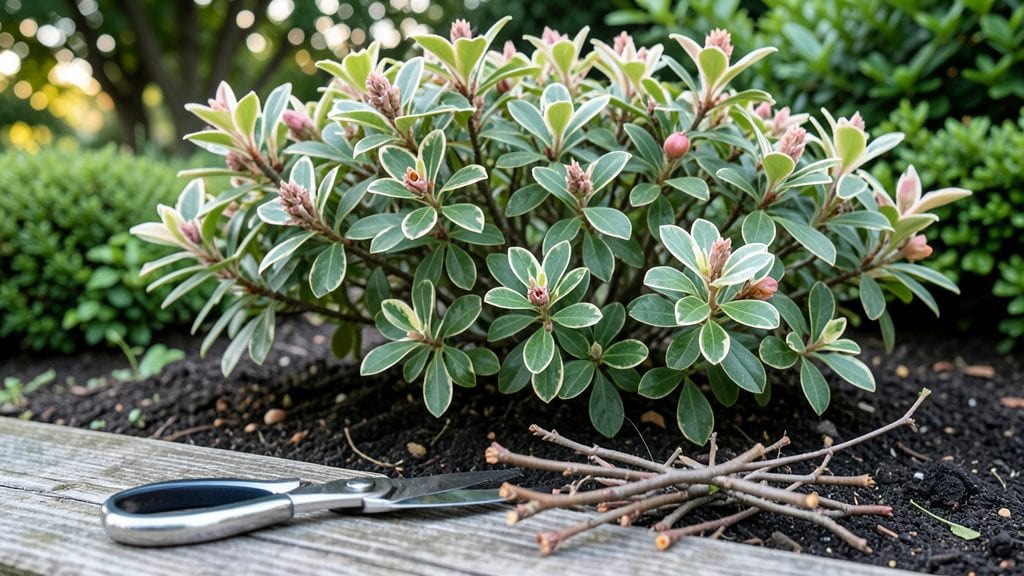
Pruning euonymus plants transforms them from scraggly to showstopping in just a few strategic cuts. 🌿 I learned the hard way that skipping this step leads to leggy branches and sparse foliage—until I discovered the three key cuts that bring back that lush, layered look.
The secret isn’t just when to prune, but how to shape the plant to encourage dense growth while keeping it healthy year-round.
You’ll need sharp pruners, a small saw for thicker branches, and a clear morning for better visibility. The best time to prune is late winter or early spring, right before new growth starts. This timing ensures you’re working with fresh wood and avoids stressing the plant during dormancy.
Even a modest pruning session can make a dramatic difference in how full and vibrant your euonymus looks by summer.
After pruning, you’ll notice thicker foliage and stronger branches that support more blooms or berries, depending on your variety. The plant will redirect energy into new growth, filling in any bare spots and creating that classic, layered look.
Just avoid cutting into old, woody stems—this can leave ugly scars and weaken the plant over time. With these cuts, your euonymus will stay compact, healthy, and stunning for seasons to come.
This method works for both boxwood-like euonymus varieties and the more sprawling types. Whether you’re shaping a hedge or rejuvenating an overgrown shrub, the same principles apply. Once you master these cuts, you’ll see why pruning isn’t just maintenance—it’s the key to a thriving, long-lived plant.
📚 In This Guide
- What you need
- Instructions
- Tips and common mistakes
- Wrapping up and next steps
What you need
- ● Pruning shears (bypass or anvil type) – Opt for sharp, clean shears (4–6 inches long) for clean cuts on small to medium stems.
- ● Loppers – For thicker branches (½–1.5 inches), choose bypass-style loppers with a 6–8 inch blade.
- ● Pruning saw – A curved-tooth saw (for branches >1.5 inches) prevents tearing bark.
- ● Gloves – Wear cut-resistant gloves (e.g., leather or heavy-duty fabric) to protect against thorns or sap.
- ● Disinfectant (70% isopropyl alcohol or bleach solution) – Clean tools before and after pruning to avoid disease spread.
- ● Rag or paper towels – For wiping tools and hands between cuts.
- ○ Pruning sealant (optional but helpful) – A latex-based sealant (like Tanglefoot Tree Wound Pruning Seal) for large cuts to reduce sap loss.
- ● Extension pole – For high branches (attach shears/loppers to reach safely).
- ● Marking twine or flags – To tag branches for removal (useful for large-scale pruning).
- ● Safety glasses – Protects eyes from debris, especially when sawing.
- ● Wheelbarrow or bucket – For collecting pruned branches (great for composting!).
- ● Weather check – Prune on a dry, overcast day (avoid midday heat or frost).
- ● Safety first – Ensure the area is clear of pets/kids and you’re stable on a ladder or stool if needed.
- ● Plant knowledge – Identify dead, diseased, or crossing branches before you start cutting!
Step-by-Step guide for pruning euonymus plants
Here's how I keep my euonymus healthy year-round with just three strategic cuts.
✂️ Step 1: Early Spring Cleanup (Late February to Early March)
Start by removing all dead, broken, or crossing branches with clean, sharp pruners. Euonymus responds best when pruned just before new growth begins—look for swollen buds along the stems as your signal. I always cut just above a leaf node or outward-facing bud to encourage healthy regrowth.
Remove any branches that are rubbing against others or growing inward. These compete for sunlight and nutrients, weakening the plant. Aim to open up the center of the shrub by 20-30%—this improves airflow and reduces disease risk. If your euonymus has berries from last season, leave some branches to fruit before pruning.
✂️ Step 2: Mid-Summer Thinning (June to July)
This is the lightest pruning of the year—just a 10-15% reduction of the total growth. Focus on removing any water sprouts (fast-growing, upright shoots) that appear after spring. These saplings steal energy from the main structure. I also trim back any overly leggy branches by ⅓ of their length to maintain shape.
Watch for branches growing at sharp angles or those that look stressed. Euonymus can handle light pruning now without shock. If you notice any signs of powdery mildew (white fuzzy spots), remove those branches immediately and sterilize your pruners with rubbing alcohol. This prevents the fungus from spreading to healthy growth.
✂️ Step 3: Late Summer to Early Fall Shaping (August to September)
Now’s the time to refine the plant’s shape for winter. Prune just enough to maintain the form you want—avoid heavy cuts that stimulate new growth too close to winter. I focus on removing branches that spoil the symmetry or block sunlight from the center. For boxwood-style euonymus, I use a hand saw for precise cuts on thicker stems.
Look for branches that are growing too long or have lost their vibrant color. These often need the most attention. Cut back to a strong lateral branch or bud, always at a 45-degree angle. This encourages bushier growth next spring. Avoid pruning after mid-September—new growth won’t harden off in time for winter.
⏰ Step 4: Winter Maintenance (December to February)
This isn’t about heavy pruning—just a quick check for storm damage or broken branches. Use sterilized pruners to remove any limbs that were snapped by ice or wind. Euonymus is dormant now, so it won’t respond to pruning until spring. I also rake up any fallen leaves or debris to prevent fungal diseases from overwintering.
If you notice any branches that died back completely, cut them out at the base. Healthy euonymus should have plenty of green buds ready to burst in spring. This light cleanup keeps the plant tidy and ready for its first big pruning in late winter.
Tips & tricks for perfect euonymus plant pruning
A few key tricks will help you avoid common mistakes and keep your euonymus thriving through all four seasons.
Tool Prep Matters: Always sterilize your pruners between cuts to prevent disease spread. I use rubbing alcohol on a clean cloth—this simple step saved my euonymus from powdery mildew last year. For thicker branches, switch to a hand saw during Step 3 when shaping, as pruners can struggle with stems over ½-inch thick. Sharp tools make cleaner cuts that heal faster, so take 2 minutes to sharpen your blades before starting.
The 20-30% Rule in Step 1: Don't guess about how much to remove in early spring—aim for a specific target. I measure by holding my hand about 6 inches from the plant center and seeing how much light passes through. If you can see through gaps, you're in the right range. This prevents over-pruning, which stresses the plant and invites pests. Remember, you can always remove more later, but you can't put back what you cut too aggressively.
Seasonal Timing Secrets: The mid-September cutoff in Step 3 is critical—new growth won't harden off in time for winter if you prune later. I mark my calendar with a red "STOP" reminder to avoid this common mistake. For Step 4 winter maintenance, focus only on removing damaged branches. Healthy euonymus should have plenty of green buds showing by February, signaling it's ready for spring's big pruning.
Visual Growth Cues: Learn to read your euonymus's growth signals. In Step 2, look for water sprouts—they're the fast-growing, vertical shoots that appear after spring. These steal energy from your plant's main structure. I trim these back by ⅓ of their length to redirect that energy to fruit production or bushier growth. The same goes for leggy branches—cutting them back encourages fuller, more compact growth next season.
Pro Tips for Euonymus Plant Pruning
- A few key tricks will help you avoid common mistakes and keep your euonymus thriving through all four seasons.
- Tool Prep Matters: Always sterilize your pruners between cuts to prevent disease spread.
- The 20-30% Rule in Step 1: Don't guess about how much to remove in early spring—aim for a specific target.
Frequently asked questions
Got questions about keeping your euonymus looking its best? Here are some of the most common concerns—and straightforward answers—to help you prune with confidence!
When is the best time to prune euonymus for thick, lush growth?
The sweet spot for euonymus pruning is late winter or early spring (just before new growth starts). This encourages vigorous growth and maintains that neat, manicured look you love. Avoid heavy pruning in fall—it can stimulate tender new growth that won’t survive winter. For shaping cuts, summer is fine, but keep it light to avoid stressing the plant.
Can I prune euonymus in summer, or will it harm the plant?
You can prune euonymus in summer, but go easy! Heavy summer cuts can stress the plant, especially in hot, dry climates. If you must shape it, do so early in the season (June) and avoid removing more than 25% of the foliage. Focus on dead or overgrown branches—never cut into old wood, as euonymus struggles to regrow from there.
My euonymus leaves are turning yellow—did I prune it wrong?
Yellowing leaves often signal over-pruning or root stress, not just pruning mistakes. If you’ve recently trimmed heavily, the plant may be recovering. Check for consistent watering and well-draining soil—euonymus hates soggy roots. If the issue persists, test for pests (like spider mites) or fungal issues. Prune less aggressively next time and fertilize lightly in spring.
Should I fertilize after pruning my euonymus?
Yes! After a major pruning session, apply a balanced, slow-release fertilizer (like 10-10-10) in early spring to help the plant recover. Avoid high-nitrogen fertilizers—they promote leafy growth at the expense of woody structure. For established plants, a light feeding in fall (with phosphorus) can boost root health before winter.
What if my euonymus doesn’t regrow after pruning?
If new growth refuses to appear, you might’ve cut too late into old wood or stressed the plant. Try these fixes:
- Thin out dense areas to improve airflow.
- Water deeply but infrequently (1–2 inches per week).
- Apply a root stimulator (like mycorrhizal fungi) if soil is compacted.
- Consider layering—bend a low branch to the ground and bury it to encourage new roots.
Wrapping up and next steps
Mastering euonymus plant pruning is all about timing, technique, and a little patience—just like nurturing a thriving friendship! 🌿 By focusing on your three key cuts (spring shaping, summer deadheading, and fall cleanup), you’ll keep your euonymus lush, healthy, and full of life.
Remember, every snip is a step toward a stronger plant and a more beautiful garden.
Ready to put your new skills to work? Grab your pruners, step outside, and give your euonymus the care it deserves. Your well-pruned plant—and a stunning garden—are just one cut away! 🌟