Pruning
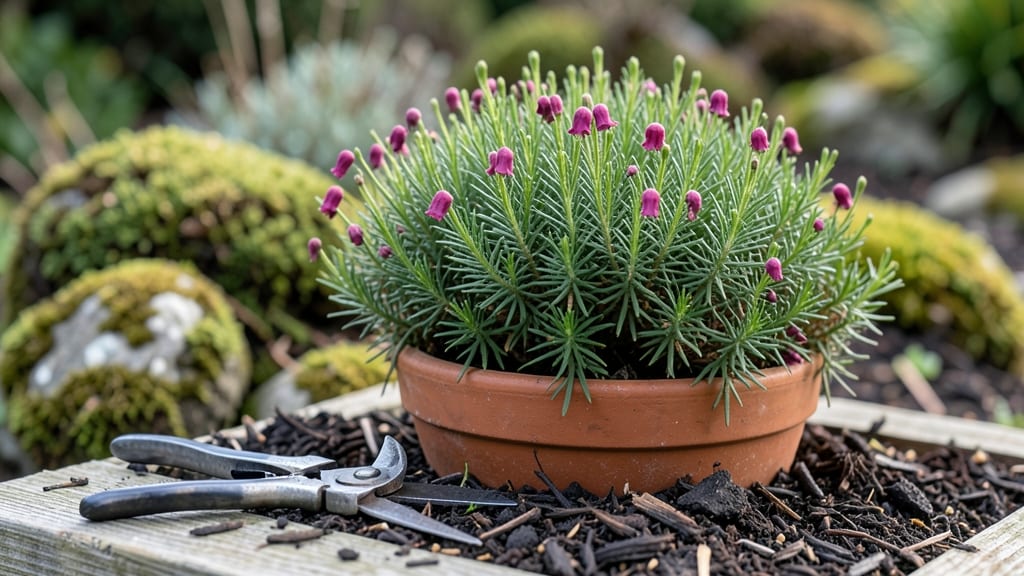
Pruning heather plants isn't just about keeping them tidy—it's the secret to year-round blooms and bushy growth. 🌿 I've learned that skipping this step means fewer flowers and leggy plants that look sad by midsummer. The right cuts at the right times transform heather from sparse to shockingly lush.
You only need three basic tools: sharp pruning shears, gloves (heather spines are no joke), and a small rake for cleanup. Timing matters most—spring, summer after flowering, and late fall are your key windows.
Each trim serves a purpose: spring wakes up the plant, summer encourages more blooms, and fall preps for winter dormancy.
After just one season of proper pruning, you'll notice denser foliage and flowers that last from early summer through frost. The plants stay compact, resist disease better, and even handle harsh winters like champions. It's the difference between a scraggly shrub and a showstopper in your landscape.
Works for both spring-blooming and fall-blooming varieties, and adapts to container heathers too. Here's how to do it without turning your plants into a science experiment—just follow the seasonal rhythm.
📚 In This Guide
- What you need
- Instructions
- Tips and common mistakes
- Wrapping up and next steps
What you need
- ● Pruning shears: Sharp, bypass-style shears (4–6 inches) for clean cuts. Avoid dull tools—they crush stems and invite disease. 🔪
- ● Hand pruners: For smaller branches or tight spaces (3–4 inches). Look for ergonomic grips for comfort.
- ● Gloves: Heavy-duty gardening gloves (nitrile-coated) to protect from thorns and sap.
- ● Disinfectant: 70% isopropyl alcohol or a bleach solution (1:9 ratio) to sterilize tools between cuts.
- ○ Pruning saw: Optional for thick, woody stems (if your heather has overgrown beyond ½ inch in diameter).
- ● Garden twine or string: For temporarily tying up dense growth while pruning (if needed).
- ● Trash bag or bucket: To collect clippings—compost them later (heather trimmings break down well!).
- ● Weather check: Prune on a dry, overcast day (or morning after dew dries). Avoid pruning in direct sunlight or rain.
- ● Safety first: Wear closed-toe shoes and sunglasses (sap can irritate eyes).
- ● Tool sharpening: Hone shears with a file or sharpening stone before starting—dull blades tear stems.
- ● Layout plan: Sketch a quick diagram (or mentally note) where you’ll trim. Heather thrives with open centers—aim to remove no more than ⅓ of the plant per session.
- ● Water access: Have a hose or watering can nearby to refresh the plant post-prune (especially in hot climates).
Step-by-step guide to pruning heather plants seasonally
Keep your heather looking lush and healthy year-round with these three simple seasonal trims.
✂️ Step 1: Spring Pruning for New Growth
Start by removing any dead or damaged stems from last winter. Use sharp pruning shears to cut just above a healthy bud or leaf node—this encourages fresh growth. I like to do this in early spring, around late March to April, when new shoots begin to appear.
Cut back any leggy growth from the previous year by about one-third of its length. This prevents the plant from becoming too woody and keeps it compact. Watch for fresh green growth emerging from the base—this is your signal that the plant is waking up and ready for a trim.
✂️ Step 2: Mid-Summer Maintenance Trim
Around July, give your heather a light trim to maintain its shape and encourage bushier growth. Focus on cutting back any overgrown branches by about half their length, again just above a leaf node or bud. This step is all about shaping and preventing the plant from becoming too sparse.
Remove any spent flowers or seed heads that appear after blooming. This redirects the plant’s energy toward new growth rather than seed production. A quick sweep with your fingers can remove most of these, but use shears for any stubborn stems. You’ll notice the plant looking fuller and more vibrant within a few weeks.
✂️ Step 3: Late Fall Cleanup for Winter Prep
In October or November, give your heather a final trim before winter sets in. Cut back any remaining dead or weak growth, but leave the healthy stems intact. This helps protect the plant from harsh winds and frost. I avoid heavy pruning in fall, as the plant needs its foliage to insulate the stems.
Shape the plant lightly to remove any irregular growth, but don’t overdo it. The goal here is to tidy up rather than reshape. You’ll see the plant looking neat and ready for winter, with a strong foundation for next year’s growth.
⏰ Step 4: Optional Light Pruning in Early Winter
If your heather looks particularly untidy after winter, a light trim in January or February can help. Focus on removing any frost-damaged or broken stems, cutting just above a healthy bud. This is a minimal touch-up, not a full pruning session. Watch for signs of new growth—this is your cue that the plant is recovering.
Keep your tools clean and sharp to avoid damaging the plant. A quick wipe with rubbing alcohol between cuts prevents the spread of disease. With these seasonal trims, your heather will stay vibrant, healthy, and full all year long.
Tips & tricks for perfect heather plant pruning
These simple tricks will help you keep your heather thriving through every season.
Tool Preparation: Always start with clean, sharp pruning shears—dull blades can crush stems instead of making clean cuts. I like to wipe them down with rubbing alcohol between cuts to prevent disease spread. This is especially important during the late fall cleanup when plants are more vulnerable to infection.
Spring Pruning Strategy: When you're cutting back that one-third of leggy growth in Step 1, focus on removing the oldest stems first. These are usually the brown or woody ones at the plant's center. This creates space for younger, more vigorous growth to develop at the base. I always look for fresh green shoots emerging from the base—they're your sign that the plant is ready for this trim.
Summer Maintenance Secret: During your July trim, don't just focus on length—pay attention to the plant's overall shape. Heather tends to grow in a rounded form, so aim to maintain that natural silhouette. I like to step back every few cuts to check the balance. Removing just the tips of branches encourages bushier growth, while cutting back too much can leave bare spots.
Winter Care Tip: If you choose to do that optional early winter trim in January or February, be extra gentle. The plant is still recovering from winter stress, so only remove truly damaged stems. I've found that even a light trim at this time can stimulate new growth when combined with the right conditions—just watch for those first signs of green emerging from the base.
Pro Tips for Heather Plant Pruning
- These simple tricks will help you keep your heather thriving through every season.
- Tool Preparation: Always start with clean, sharp pruning shears—dull blades can crush stems instead of making clean c...
- Spring Pruning Strategy: When you're cutting back that one-third of leggy growth in Step 1, focus on removing the old...
Frequently asked questions
Got questions about keeping your heather plants thriving with the right pruning? Here are some of the most common ones—and their answers!
When is the best time to prune heather plants?
The ideal times are spring (March–April), late summer (August–September), and after flowering. Avoid pruning in winter (unless deadheading frost damage) or during active growth spurts. Timing depends on your climate—cooler regions may shift slightly later.
How much can I cut back without harming the plant?
Never remove more than one-third of the plant’s growth in a single session. For most heathers, a light trim (1–2 inches) is enough to encourage bushiness. Over-pruning can stress the plant, leading to sparse blooms or dieback. Pro tip: Use sharp shears for clean cuts!
What if my heather looks leggy or woody after pruning?
Leggy growth often means it’s time for a harder trim (up to half the old stems) in early spring. If the center is woody, prune it out completely—new growth will fill in. For severely woody plants, a renewal prune (cutting back to 2–3 inches) can rejuvenate them. Fertilize lightly post-prune to support recovery.
Can I prune heather in winter?
Only if necessary! Winter pruning is risky because heather is dormant and vulnerable to frost damage. If you must, deadhead dead flowers or severely damaged stems—avoid heavy cuts. Wait until spring for major shaping. Exception: In mild climates (Zone 8+), light pruning after frost is safer.
What’s the difference between pruning flowering and non-flowering heathers?
| Flowering Heather (Calluna) | Non-Flowering Heather (Erica) |
|---|---|
| Prune after blooms fade (late summer) to encourage next year’s flowers. Avoid cutting into old wood. | Prune anytime after flowering—focus on shaping. These grow faster and tolerate harder cuts. |
Pro tip: Label your plants if unsure—some hybrids bloom at different times!
Wrapping up and next steps
Pruning your heather plant isn’t just about keeping it tidy—it’s the secret to year-round vibrancy and blooms that steal the show! 🌿 Whether you’re trimming in spring, summer, or autumn, following these three seasonal steps ensures your plant stays healthy, compact, and full of life.
Now that you’re armed with the know-how, there’s no better time to roll up your sleeves and give your heather the care it deserves.
Ready to see the difference? Pick a sunny day, grab your tools, and start pruning today! Your future blooms will thank you.