
Companion Plants
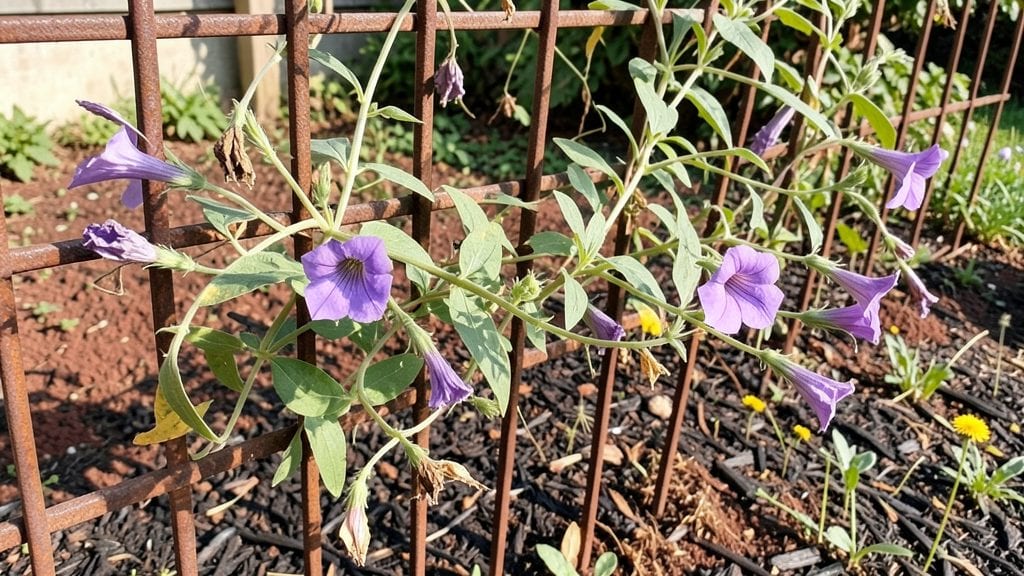
Climbing petunia plants turn any space into a lush, rainbow-colored waterfall—and they’re easier to grow than you’d think. 🌿 I’ve had them spill over balconies, trellises, and even old wagon wheels, creating a show that lasts from spring until frost.
The secret isn’t just picking the right variety; it’s about giving them the support and care they crave to thrive.
You’ll need well-draining soil mixed with compost, a sturdy trellis or cage (even a simple wire frame works), and bright, indirect sunlight for at least 6 hours a day. Varieties like ‘Wave’ or ‘Supertunia’ trail beautifully, while ‘Easy Wave’ stays compact but still cascades.
Water consistently—these plants hate soggy roots but won’t survive drought either—and fertilize every 2 weeks with a balanced liquid feed.
By mid-summer, you’ll have a vibrant, fragrant curtain of blooms in every color imaginable, with minimal deadheading needed. The key is pruning leggy stems in early spring and pinching back new growth to encourage bushier trails. Even beginners see results fast—my first attempt had me hooked by July.
Works in containers, hanging baskets, or as ground cover under trees. The only real mistake? Waiting too long to plant. Start seeds indoors 8-10 weeks before your last frost, or buy sturdy transplants in early spring. Once established, they’re nearly foolproof—just feed, water, and admire the show.
📚 In This Guide
- What you need
- Instructions
- Tips and common mistakes
- Wrapping up and next steps
What you need
- ● Climbing Petunia Plants: 3–5 plants per 12-inch hanging basket or 1 plant per 1–2 feet of trellis/container space. Choose varieties like 'Wave' or 'Supertunia' for trailing growth.
- ● Well-Draining Potting Mix: 1–2 bags (1–2 cubic feet each) of high-quality, peat-based or coconut coir mix with perlite or vermiculite for aeration.
- ● Containers or Trellises: Hanging Baskets: 12–16 inches in diameter with drainage holes.
- ● Containers: At least 10–12 inches deep with drainage.
- ● Trellises/Arbors: Sturdy lattice, wire, or wooden frames (4–6 feet tall for vertical gardens).
- ● Slow-Release Fertilizer: 1–2 cups of balanced 10-10-10 or 14-14-14 granules mixed into the soil.
- ○ Mulch (Optional): 1–2 inches of bark chips or shredded leaves to retain moisture.
- ● Gloves & Pruners: A pair of gardening gloves and sharp pruners for trimming.
- ● Watering Can or Hose: With a gentle spray nozzle for even hydration.
- ○ Support Stakes (Optional): Twine or soft ties to guide vines along trellises.
- ○ Plant Ties (Optional): For securing young plants to structures.
- ○ Liquid Feed (Optional): Water-soluble fertilizer (20-20-20) for mid-season boosts.
How to grow climbing petunias for a stunning season-long display
These easy-care beauties turn any vertical space into a floral waterfall. Here's how to get them thriving.
🪴 Step 1: Choose the Right Containers and Support Structure
Climbing petunias need 10-12 inch deep containers per plant to support their trailing roots. I use hanging baskets with built-in cascading edges or tall vertical planters with sturdy wire frames. The key is drainage—ensure each container has 3-4 drainage holes to prevent soggy roots, which petunias despise.
For vertical gardens, attach a 3-foot tall trellis or obelisk to your container. The vines will naturally cling to the structure as they grow, creating a lush curtain of color. If using a hanging basket, place it where the vines can spill 2-3 feet below—this gives them room to trail beautifully without getting tangled.
🌱 Step 2: Plant with Proper Spacing and Support Setup
Fill your containers with lightweight potting mix mixed with 20% perlite for drainage. Plant each climbing petunia 12-18 inches apart—closer spacing leads to overcrowded vines that struggle to climb. Gently loosen the roots if they're pot-bound before placing them in the soil.
As you plant, weave the vines through the trellis or around the edges of the hanging basket. This encourages them to grow upward or outward immediately, rather than searching for support later. Water thoroughly after planting to settle the soil and remove any air pockets around the roots.
☀️ Step 3: Provide Full Sun and Consistent Watering
Climbing petunias thrive in 6-8 hours of direct sunlight daily. Place your containers in a spot that gets morning sun and afternoon shade if you're in a hot climate—this prevents the flowers from scorching. You'll know they're happy when they produce nonstop blooms with minimal leaf drop.
Water when the top inch of soil feels dry. These plants love moisture but hate soggy roots, so I water deeply in the morning and let excess drain completely. During heatwaves, I add 1 inch of mulch to retain moisture and keep roots cool. You'll see wilting leaves if they're thirsty—this is their way of saying "water me now."
✂️ Step 4: Prune and Fertilize for Continuous Blooms
Deadhead spent flowers weekly to encourage new blooms. I pinch off faded blossoms with my fingers—no need for shears. This simple step keeps your petunias flowering abundantly instead of putting energy into seed production. You'll notice a surge in new buds within 3-5 days of regular deadheading.
Feed every 2-3 weeks with a balanced liquid fertilizer (10-10-10 ratio). I mix it at half-strength to avoid burning the delicate roots. The secret to vibrant color? Consistent feeding—you'll see richer blooms and darker green foliage within two feedings. Stop fertilizing in late summer to let the plants prepare for fall.
🌿 Step 5: Winter Care for Next Season's Growth
When frost threatens, cut back vines to 6 inches and move containers to a sheltered spot. I wrap the pots in bubble wrap to protect roots from freezing. Bring them indoors if temperatures drop below 20°F, placing them in a bright, cool room (like a garage with a window) until spring.
In early spring, repot if roots are circling the container. Trim back any dead growth and fertilize lightly to wake up the roots. You'll see new shoots emerge within 3-4 weeks, ready for another spectacular season of trailing color. This annual cycle keeps your petunias thriving for years with minimal effort.
Tips & tricks for perfect climbing petunia displays
Here's what I've learned from years of growing these stunning cascading beauties that'll make all the difference in your garden.
Container Depth Matters: Those 10-12 inch deep containers aren't just a suggestion—they're essential for supporting the trailing roots that can grow up to 3 feet long. I've seen petunias struggle in shallow pots, with vines becoming tangled and flowers producing less. For extra insurance, add a layer of coconut coir at the bottom to improve root development.
Sunlight Strategy: The 6-8 hours of direct sunlight is non-negotiable, but here's the pro move: position your containers where they get morning sun and afternoon shade in hot climates. I've noticed that afternoon shade prevents the flowers from turning brown and crispy while still giving them the light they need. Think of it as their built-in sunscreen!
Watering Wisdom: That top inch of soil test is crucial—don't rely on a schedule. I've learned the hard way that petunias wilt dramatically when thirsty, but they also hate soggy roots. Water deeply in the morning so the soil has time to dry slightly before evening. During heatwaves, that 1 inch of mulch makes a world of difference in moisture retention.
Fertilizer Timing: The 2-3 week feeding schedule is perfect, but here's my secret: I always fertilize right after watering. This prevents the fertilizer from burning the roots when they're already stressed from dry soil. And remember to stop feeding in late summer—this helps the plants prepare for winter rather than pushing new growth that might freeze.
Pro Tips for Climbing Petunia Plants
- Here's what I've learned from years of growing these stunning cascading beauties that'll make all the difference in your garden.
- Container Depth Matters: Those 10-12 inch deep containers aren't just a suggestion—they're essential for supporting the trailing roots that can grow up to 3 feet long.
- Sunlight Strategy: The 6-8 hours of direct sunlight is non-negotiable, but here's the pro move: position your containers where they get morning sun and afternoon shade in hot climates.
Frequently asked questions
Got questions about growing climbing petunia plants? You’re not alone! Here are answers to the most common inquiries to help you cultivate a stunning, year-round cascade of color.
How do I encourage my climbing petunia to trail longer and fuller?
Prune leggy stems by pinching back the tips when they’re about 6–8 inches long. This redirects energy to bushier growth and longer trails. Use a balanced 10-10-10 fertilizer every 2–3 weeks during the growing season to support vigorous vining. Pro tip: Hang baskets or containers to let vines cascade naturally—gravity does the work!
When is the best time to plant climbing petunias for continuous blooms?
Start seeds indoors 8–10 weeks before the last frost or buy established plants in spring (after frost risk passes). For year-round color in warm climates, plant two batches: one in early spring and another in late summer. Hardier varieties like 'Wave' or 'Supertunia' tolerate cooler temps better.
Why aren’t my climbing petunias blooming—they’re just growing leaves!
Overcrowding, poor light, or excess nitrogen (from fertilizer) can stunt flowers. Move plants to full sun (6+ hours/day), deadhead spent blooms, and switch to a low-nitrogen, high-phosphorus fertilizer (like 5-10-5) to boost flowering. Yellow leaves? Check for overwatering—petunias hate soggy roots!
What are some low-maintenance alternatives to climbing petunias?
If petunias feel too fussy, try these trailing stars:
- Calibrachoa ('Million Bells'): Drought-tolerant, self-cleaning, and blooms nonstop.
- Lobelia: Thrives in hanging baskets, loves moisture, and adds blue/purple pops.
- Bacopa ('Snowball Vine'): Heat-resistant and attracts pollinators with tiny white flowers.
How do I keep pests like aphids or spider mites off my petunias?
Prevent pests with neem oil spray (applied weekly) or insecticidal soap. For spider mites, mist plants daily to boost humidity. Introduce ladybugs or lacewings (natural predators) or blast off aphids with a strong water spray. Caution: Avoid chemical pesticides—petunias are sensitive!
Wrapping up and next steps
Climbing petunias bring a burst of color and life to gardens, containers, and vertical spaces with their easy-care charm and stunning cascading blooms. 🌸 Whether you're a seasoned gardener or just starting, these trailing beauties are a fantastic choice for adding vibrancy to any space—just remember to provide the right support, sunlight, and care.
Ready to transform your outdoor (or indoor!) oasis?
Your next step? Pick your favorite variety and get planting! Start small with a single pot or go bold with a full garden bed—either way, you’ll be rewarded with a season-long showstopper. Happy gardening! 🌿✨