
Plants
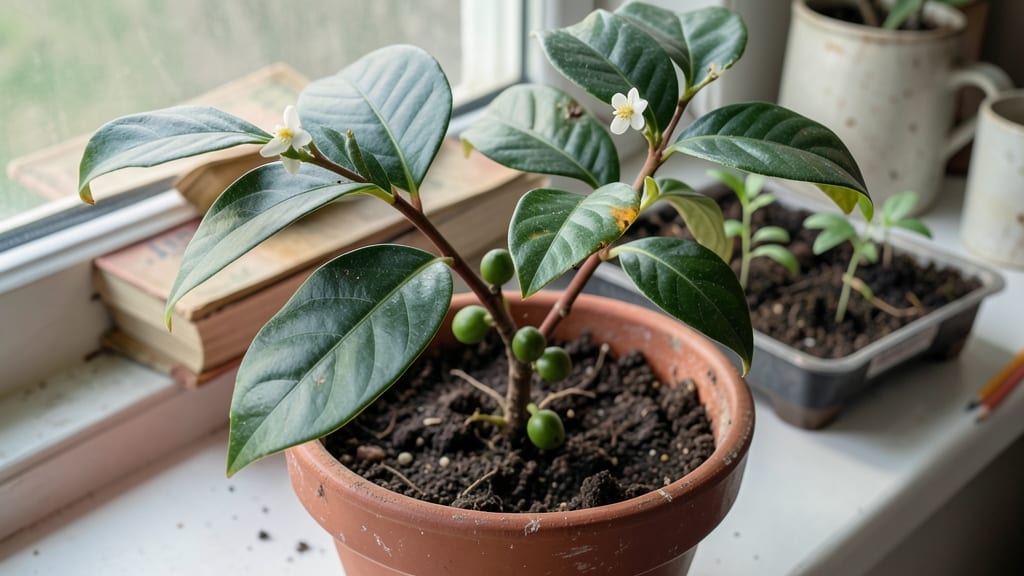
Coffee grounds and brewed coffee contain nitrogen, phosphorus, and potassium—key nutrients that help plants thrive. 🌱 The nitrogen content, in particular, encourages leafy growth, while the organic matter improves soil structure. However, the caffeine in coffee can harm plants if overused, which is why moderation is critical.
I’ve found that acid-loving plants like tomatoes, blueberries, and azaleas respond especially well to coffee fertilizer, while others may struggle with the acidity.
For best results, mix used coffee grounds into compost or dilute brewed coffee at a 1:10 ratio before applying to soil. You can also create a foliar spray by straining cooled coffee and spraying it on leaves—just avoid doing this during hot afternoons to prevent leaf burn.
Always let coffee cool completely before use, as heat can damage plant tissues.
💡 In This Article
- How Coffee Grounds Boost Plant Growth
- Safe Ways to Apply Coffee to Garden Soil
How coffee grounds boost plant growth
Coffee grounds are a powerhouse of nutrients that feed plants through a natural decomposition process. When you add them to soil, the organic matter breaks down into simpler compounds, releasing nitrogen (N)—the most abundant nutrient in coffee grounds—along with smaller amounts of phosphorus (P) and potassium (K).
These nutrients are the building blocks of plant growth: nitrogen fuels leafy greens, phosphorus strengthens roots, and potassium improves disease resistance.
For example, a single cup of coffee grounds contains about 0.5 grams of nitrogen, which is roughly equivalent to what you'd find in 1 tablespoon of synthetic fertilizer like urea.
The magic happens when soil microbes—like bacteria and fungi—break down these grounds into usable forms. This process, called mineralization, releases nitrogen slowly over weeks, creating a steady nutrient supply for plants.
The texture of coffee grounds also matters: their coarse, granular structure improves soil aeration and water retention, similar to how compost enhances garden beds. 🌱 What most gardeners don’t realize is that coffee grounds also contain trace minerals like magnesium and copper, which support enzyme activity in plants.
These minerals are especially beneficial for acid-loving species like azaleas and blueberries, which thrive in soils with a pH between 4.5 and 5.5—the same range as freshly brewed coffee.
Compared to traditional fertilizers, coffee grounds offer a gentler, more sustainable approach. A standard 10-10-10 fertilizer (equal parts nitrogen, phosphorus, and potassium) delivers nutrients quickly but can burn plants if overapplied. Coffee grounds, on the other hand, release nutrients gradually, reducing the risk of root damage.
The downside? They’re not a complete fertilizer—meaning they lack micronutrients like calcium or iron found in balanced synthetic blends. That’s why pairing coffee grounds with compost or a balanced organic fertilizer (like 5-5-5) creates the perfect nutrient cocktail for most plants.
Acid-loving plants like rhododendrons and gardenias respond exceptionally well to coffee’s nutrient profile. The low pH of coffee grounds helps maintain the acidic soil conditions these plants prefer, while the nitrogen promotes lush foliage.
For instance, blueberry bushes—which need acidic soil to produce fruit—can benefit from a monthly application of diluted coffee grounds mixed into their root zone. However, alkaline-loving plants like lavender or lilacs may suffer if coffee grounds lower the soil pH too much.
Always test your soil’s pH before applying coffee to avoid creating an unfavorable environment.
Here’s what’s actually happening in the soil: When coffee grounds decompose, they form humus, a dark, spongy substance that improves soil structure. This humus holds onto nutrients and water, making them more available to plant roots.
The process also stimulates microbial activity, which in turn helps break down other organic matter in the soil. Think of it like a self-sustaining ecosystem where coffee grounds act as both fertilizer and soil conditioner.
For best results, mix used grounds into the top 2-3 inches of soil or add them to compost piles, where they’ll decompose more efficiently.
The key to success is balance. While coffee grounds are a fantastic organic amendment, overuse can lead to nitrogen overload, causing leafy growth at the expense of flowers or fruit. To avoid this, limit applications to once every 4-6 weeks during the growing season.
For liquid fertilizer, dilute brewed coffee at a 1:10 ratio (1 part coffee to 10 parts water) and apply it to the soil—not directly to leaves—to prevent caffeine buildup, which can stunt growth in sensitive plants.