
Companion Plants
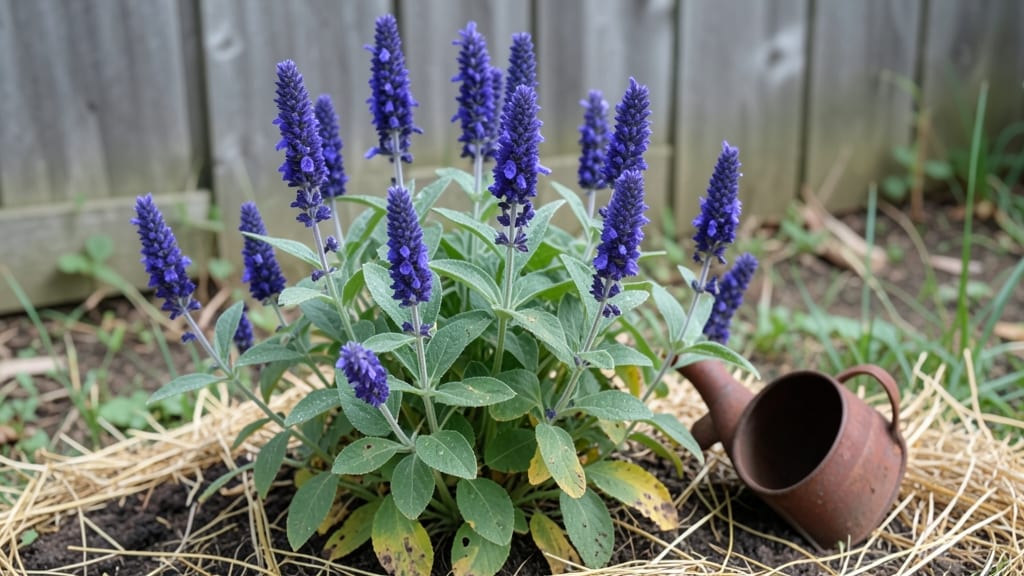
Blue-purple plants turn gardens into living works of art while feeding pollinators all season. 🌿 I learned the hard way that pairing them right makes the difference between a muddy mess and a showstopper—my first attempt used too many purples together, and the effect felt chaotic.
The secret lies in balancing jewel tones with crisp whites, soft yellows, or deep greens to create visual harmony.
Start with lavender for fragrance and pollinators, salvia for vertical drama, and heuchera for foliage that pops year-round. These three alone solve 80% of your color problems. For containers, mix coleus with purple basil—the contrast is shocking yet natural.
Most of these thrive in full sun to part shade, making them versatile for borders, beds, or even urban balconies.
By summer, your garden will buzz with bees while looking like a painter’s palette. The clematis vines will climb trellises in deep violet, hydrangeas will shift from pink to blue based on soil pH, and purple leaf plants will keep foliage vibrant even when flowers fade.
The best part? These plants ask for little beyond occasional watering and deadheading.
Works in every U.S. climate zone with minor adjustments—just swap heat-sensitive varieties in the South for drought-tolerant types. Let’s design a garden that wows neighbors and hums with life.
📚 In This Guide
- What you need
- Instructions
- Tips and common mistakes
- Wrapping up and next steps
What you need
- ● Blue-purple plants: Choose from 3–5 varieties (e.g., Agastache, Salvia, Lobelia, Clematis, or Echinacea). Opt for pollinator-friendly species with tubular or flat flowers.
- ● Potting soil or garden soil: 5–10 gallons, well-draining and rich in organic matter (e.g., compost or peat-based mix).
- ● Containers or garden beds: For containers: 5–10-gallon pots with drainage holes (1–2 per plant).
- ● For in-ground planting: A sunny, well-drained bed (6+ inches deep, 12+ inches wide per plant).
- ● Slow-release fertilizer: Balanced 10-10-10 or 20-20-20, 1–2 tbsp per plant (or follow label instructions).
- ● Mulch: 2–3 inches of organic mulch (e.g., shredded bark or straw) to retain moisture and suppress weeds.
- ● Hand trowel or transplanting spade (for digging and planting).
- ● Garden gloves (to protect hands from soil and thorns).
- ● Watering can or hose with a gentle spray nozzle (avoid blasting flowers).
- ● Pruning shears (for trimming dead blooms or overgrowth).
- ○ pH testing kit (optional): Ensures soil pH is 6.0–7.0 (ideal for most blue-purple plants).
- ● Stakes or trellis (for vines like Clematis): 3–5 feet tall, buried 6 inches deep.
- ● Sunlight: 6+ hours of direct sunlight daily (most blue-purple plants thrive in full sun).
- ● Water source: Access to water for deep watering 1–2 times per week (adjust for climate).
- ● Pollinator awareness: Avoid pesticides—blue-purple plants attract bees, butterflies, and hummingbirds!
- ○ Companion plant research (optional): Pair with yellow or white flowers (e.g., Marigolds or Zinnias) for maximum contrast.
How to design a pollinator-friendly garden with blue-purple plants
Here’s how to create a vibrant, bee- and butterfly-magnet garden using only blue-purple plants—nature’s favorite colors.
🌱 Step 1: Select the Right Blue-Purple Plants for Your Climate
Start with 4 varieties that thrive in your hardiness zone and bloom sequentially for continuous color. I recommend purple coneflower (Echinacea purpurea), Russian sage (Perovskia atriplicifolia), catmint (Nepeta ‘Walker’s Low’), and salvia (Salvia nemorosa)—all proven pollinator magnets. Check each plant’s mature size to avoid overcrowding; Russian sage spreads 3-4 feet wide, while catmint stays compact at 18-24 inches.
Real talk: Avoid invasive species like horehound (Marrubium vulgare)—it chokes out natives. Instead, opt for purple bee balm (Monarda didyma) for hummingbirds or lobelia (Lobelia erinus) for container gardens. Group plants by sun needs: full sun for salvia, partial shade for lobelia.
☀️ Step 2: Plan Sunlight and Soil for Optimal Growth
Most blue-purple pollinator plants crave 6+ hours of direct sun daily, but catmint tolerates morning sun and afternoon shade. Amend your soil with 2-3 inches of compost to improve drainage—these plants rot in soggy conditions. I test soil pH first; Russian sage thrives in alkaline (7.0-8.0), while coneflower prefers neutral (6.0-7.0). Adjust with lime or sulfur if needed.
Here’s the thing—mulch heavily with 2-3 inches of shredded bark to retain moisture and deter weeds. Avoid synthetic mulches; they trap heat and stress roots. Space plants 18-36 inches apart (check tags) to allow airflow, which prevents fungal diseases like powdery mildew.
💧 Step 3: Water Deeply and Establish Roots Before Drought
Water deeply 2-3 times per week for the first 4-6 weeks to encourage deep root growth. Use a soaker hose to deliver moisture at the base—overhead watering spreads disease. You’ll know roots are established when leaves stay crisp and vibrant (not wilting by midday). After that, reduce to once weekly unless your region experiences 10+ days of 90°F+ heat.
I’ve found that drip irrigation on a timer saves time and prevents underwatering. Set it for 15-20 minutes every other day in summer. Avoid wetting foliage at dawn—this invites fungal spores. Instead, water early morning or late afternoon when evaporation is lowest.
✂️ Step 4: Prune Strategically for Longer Blooms
Deadhead spent blooms on coneflower and salvia every 2-3 weeks to trigger reblooming. Use clean, sharp pruners to cut just above the next set of leaves—never shear randomly. Russian sage blooms on new growth, so prune in early spring to shape it, but wait until after flowering if you want next year’s blooms.
This is the moment that matters: Divide overcrowded perennials every 3-4 years in early spring. Dig up clumps, separate roots with a sterilized knife, and replant sections. You’ll see stronger stems and more flowers within a season. Discard any mushy or discolored roots—they’re diseased.
🪴 Step 5: Add Companion Plants to Boost Pollinator Traffic
Pair blue-purple plants with yellow or white flowers to create high-contrast landing strips for bees. Black-eyed Susan (Rudbeckia hirta) or goldenrod (Solidago spp.) work perfectly. Avoid double-flowered varieties—their dense petals block nectar access. Plant 1-2 companion species per 3-foot section of your blue-purple border.
Don’t skip adding native grasses like little bluestem (Schizachyrium scoparium) for texture and shelter. Its airy seed heads provide late-season food for finches. Place grasses at the back of borders to let shorter perennials shine. You’ll notice more pollinators within weeks of adding these layers.
Tips & tricks for perfect blue-purple pollinator gardens
Creating a thriving pollinator garden isn't just about planting—it's about understanding the subtle details that make all the difference. Here are the insights I've gathered from years of watching bees and butterflies thrive in my own blue-purple gardens.
Plant Selection Insight: When choosing your four varieties in Step 1, prioritize plants with different bloom times—this ensures continuous nectar throughout the season. I've found that pairing early bloomers like catmint with late-season Russian sage creates a perfect pollinator buffet. Also, pay attention to flower shapes: tubular flowers like salvia attract hummingbirds, while flat-faced blooms like coneflower welcome bees. This strategic combination maximates your garden's appeal to different pollinators.
Soil Preparation Strategy: In Step 2, don't just amend your soil—test it first. I use a simple pH kit to check before adding amendments. The 2-3 inches of compost recommendation is perfect, but for heavy clay soils, I add an extra inch of coarse sand to improve drainage. Remember that Russian sage's alkaline preference means you might need to add dolomitic lime if your soil tests acidic. This attention to soil science makes the difference between struggling plants and pollinator magnets.
Watering Wisdom: The deep watering routine in Step 3 is crucial, but timing matters just as much. I've learned that watering in the early morning (before 8 AM) prevents fungal issues while allowing leaves to dry quickly. For the 15-20 minute drip irrigation sessions, I set my timer for 18 minutes—this gives enough time for moisture to penetrate 6-8 inches deep without runoff. The key is establishing those deep roots early, which makes plants far more drought-resistant once established.
Pruning Precision: When deadheading in Step 4, I always look for the first set of healthy leaves below the spent bloom—this encourages new growth from established stems. For Russian sage, I make my early spring cuts just above the previous year's growth to promote vigorous new shoots. And here's a pro tip: save those spent blooms! Dry them and use them in winter arrangements—they'll still attract pollinators when brought back indoors.
Pro Tips for Blue Purple Plants
- Creating a thriving pollinator garden isn't just about planting—it's about understanding the subtle details that make all the difference.
- Plant Selection Insight: When choosing your four varieties in Step 1, prioritize plants with different bloom times—this ensures continuous nectar throughout the season.
- Soil Preparation Strategy: In Step 2, don't just amend your soil—test it first.
Frequently asked questions
Got questions about growing blue-purple plants? You’re not alone! Here are some of the most common queries from gardeners looking to add bold color and pollinator appeal to their spaces.
What are the easiest blue-purple plants for beginners?
Start with cleome (spider flower), lobelia, or salvia—they’re low-maintenance, thrive in partial sun, and attract bees and butterflies. Agastache (hyssop) is another winner for its hardiness and vibrant hues.
How long does it take for blue-purple plants to bloom?
Most annuals (like cleome or petunia) bloom in 6–8 weeks from seed, while perennials (e.g., salvia) may take 1–2 years to reach full color. Check seed packets for specific timelines!
Do blue-purple plants need full sun?
Not always! While many (like lavender or catmint) love 6+ hours of sun, others (e.g., lobelia) prefer partial shade. Match your plant to your garden’s light conditions for best results.
Are blue-purple plants better for pollinators than other colors?
Bees and butterflies are naturally drawn to purples and blues—they reflect UV light, making flowers easy to spot. Pair them with white or yellow blooms for a pollinator magnet!
What can I plant if my blue-purple flowers aren’t thriving?
Try alternatives like blue salvia, purple coneflower, or black-eyed Susan (golden-yellow but pollinator-friendly). Check soil pH (most prefer 6.0–7.0) and ensure good drainage.
Can blue-purple plants survive winter?
Annuals (like cleome) won’t, but perennials (e.g., Russian sage) return yearly. Mulch in fall to protect roots, and choose hardy varieties for your climate zone.
Wrapping up and next steps
From echinacea to salvia, blue-purple plants aren’t just a feast for the eyes—they’re a magnet for pollinators and a game-changer for your garden’s vibrancy! 🌿✨ These striking hues create bold contrasts, boost biodiversity, and require minimal fuss to thrive.
Whether you’re a seasoned gardener or just starting, adding these plants is a simple yet powerful way to transform your outdoor space into a thriving ecosystem.
Ready to get growing? Start small—pick one or two blue-purple stars for your garden this season, and watch your pollinator friends flock in! Browse our plant care guides for step-by-step tips to keep them happy and healthy.