
Planting
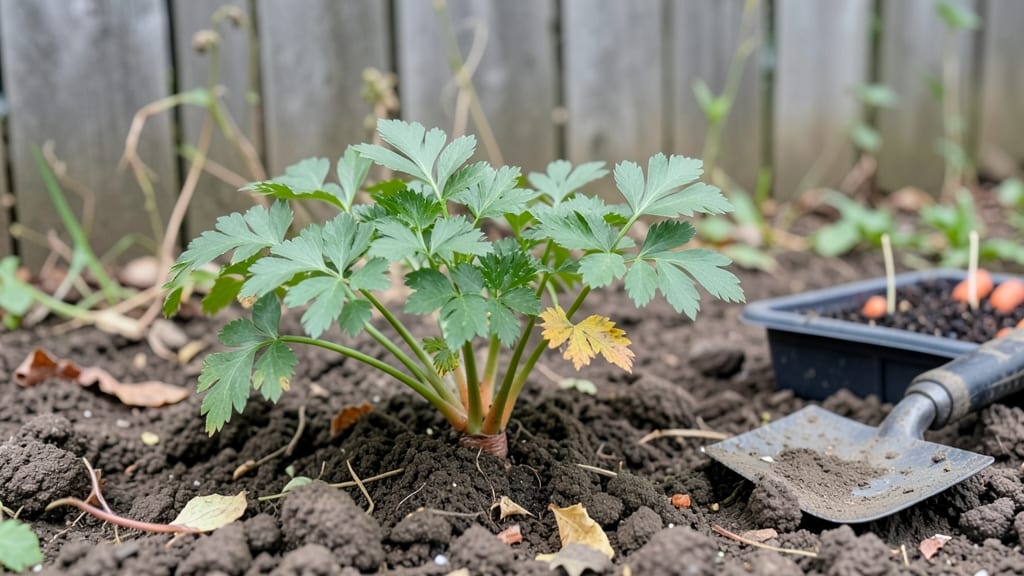
Here are carrots planting tips that’ll turn your garden into a crisp, straight-rooted dream—no more gnarled, half-buried disappointments. every time. The secret lies in amending your soil before seeds even hit the dirt, and I’ll show you exactly how to do it without spending hours digging.
Start with a deep bed of compost or aged manure mixed into the top 12 inches of soil—this breaks up compaction and gives roots room to stretch.
Scatter seeds thinly (they’re tiny!) and cover them with just ¼ inch of fine soil or sand, keeping it consistently moist but never soggy. Most gardeners overcrowd their rows, leading to twisted roots, so aim for 2-inch spacing between seeds and 12 inches between rows.
📚 In This Guide
- What you need
- Instructions
- Tips and common mistakes
- Wrapping up and next steps
What you need
- ● Carrot seeds: Choose open-pollinated varieties (e.g., 'Nantes,' 'Danvers,' or 'Paris Market'). Aim for 1–2 grams per 10 feet of row (about 1,000–2,000 seeds per gram).
- ● Well-draining soil: Loose, sandy loam or amended garden soil (avoid clay). Test pH: ideal range is 6.0–7.0.
- ● Compost or organic matter: Mix 2–3 inches into the top 12 inches of soil to improve texture and fertility.
- ● Planting bed or containers: For in-ground: 12–18 inches deep rows, spaced 12–15 inches apart.
- ● For containers: Minimum 6-inch depth (deeper for long varieties like 'Chantenay'). Use wide, shallow pots (e.g., 12" diameter).
- ● Watering can or hose with gentle spray nozzle: Keep soil consistently moist (not soggy) during germination.
- ● Row marker or stakes: Mark planting rows to avoid disturbing seeds when weeding.
- ● Seedling starter: Use biodegradable pots or peat pellets for early indoor starts (transplant outdoors after 4–6 weeks).
- ● Mulch: Straw or shredded leaves (1–2 inches thick) to retain moisture and suppress weeds.
- ● Fertilizer: Low-nitrogen, balanced organic fertilizer (e.g., 5-5-5 or 3-4-6) at planting and mid-growth.
- ● Garden twine or netting: For trellising scallop or rainbow carrots if growing vertically.
- ● Soil sifter or rake: For ultra-fine soil texture (prevents forked roots).
- ● Harvest knife or fork: A serrated knife or garden fork for clean digging.
Step-by-Step instructions for planting carrots
Here's how to grow perfectly straight, sweet carrots every time—no tricky soil work required.
Prepare the Soil for Loose, Stone-Free Depth
Carrots need at least 12 inches of loose, stone-free soil to grow their full length. Start by removing any rocks, clumps, or debris larger than a pea from the planting area. I like to use a garden fork to loosen the soil to a depth of 6 inches, breaking up compacted layers. This prevents roots from forking or growing crooked.
Mix in 2 inches of compost into the top 6 inches of soil to improve drainage and fertility. You'll see the difference immediately—carrots thrive in soil that's airy and crumbly, like cake batter. If your soil is heavy clay, work in 1 part sand for every 3 parts soil to help roots penetrate easily.
Create a Fine, Even Seedbed
Rake the soil surface until it's as smooth as possible, removing any remaining clumps or debris. The goal is a fine, dust-like texture—carrots seeds are tiny and need good contact with soil to germinate. I draw shallow 1-inch-deep furrows in rows 12 inches apart using the back of a rake or a hoe. This keeps seeds organized and makes thinning easier later.
Water the furrows lightly until the soil is moist but not soggy. You'll know it's right when water beads form on the surface but doesn't pool. Let the moisture soak in for about 15 minutes before sowing. This prevents seeds from washing away or sitting too deep in the soil.
Sow Seeds Thinly for Even Germination
Carrot seeds are tiny and slow to germinate, so I scatter them sparingly along the furrows. Aim for 1 seed every ½ inch—crowding leads to stunted, misshapen roots. I use a seed spreader or sprinkle them by hand, then cover lightly with ¼ inch of fine soil using a sifted mix. Press gently but don't compact the soil.
Label each row with the variety and planting date—carrot seeds can take 2-3 weeks to sprout, and you'll forget which row is which. Keep the soil consistently moist (not wet) during germination. A light misting with a spray bottle works best to avoid disturbing the seeds.
Thin Seedlings for Straight, Spacious Roots
When seedlings reach 2 inches tall, thin them to 2 inches apart using a pair of scissors or your fingers. Pulling seedlings can disturb nearby roots, so I snip them at soil level. This ensures each carrot has enough space to grow straight and plump. Thin again when seedlings are 4 inches tall, spacing them 3 inches apart for full-size roots.
Thinning might seem cruel, but it's the key to sweet, straight carrots. You'll notice a dramatic difference in root shape—thinned carrots grow long and tapered, while crowded ones twist or fork. Water gently after thinning to help the remaining seedlings recover.
Maintain Moisture and Mulch for Sweetness
Carrots need consistent moisture to stay sweet and crisp. Water deeply once a week, providing 1 inch of water total. Let the top 1 inch of soil dry between waterings to prevent rot. I use a 2-inch layer of straw mulch around the rows to retain moisture and suppress weeds—this also keeps the soil cool, which prevents carrots from becoming woody.
Watch for yellowing leaves or stunted growth, which can signal overwatering or poor drainage. If soil feels soggy, reduce watering slightly. Harvest when tops are 3-4 inches tall for baby carrots, or wait until 70-80 days for full-size roots. Pull gently but firmly—if resistance is strong, the carrot isn't ready yet.
Tips & tricks for perfect carrot planting
These soil-focused strategies will help you grow carrots that are perfectly straight and packed with sweet flavor.
Soil Depth Matters: The 12-inch depth requirement isn't just about length—it's about preventing forking. I've found that using a garden trowel to check depth after loosening helps verify you've reached the right level. If you encounter hardpan (compacted soil) below 6 inches, consider adding more compost or sand to break it up completely. This extra effort prevents those frustrating forked roots that ruin the harvest.
Texture is Everything: That fine, dust-like texture in Step 2 is crucial for even germination. I sift my soil through a mesh screen to remove any remaining clumps—it takes a few extra minutes but makes all the difference. For heavy clay soils, mixing in 1 part sand to 3 parts soil creates the perfect balance of drainage and moisture retention. Think of it like making a smooth cake batter—no lumps allowed!
Timing Tip for Watering: The 15-minute wait after watering in Step 2 prevents seeds from washing away, but don't let the soil dry out completely before sowing. I test moisture by squeezing a handful—it should hold together but not be sticky. This balance ensures seeds stay in place while maintaining proper hydration for germination. A spray bottle comes in handy for gentle watering during this delicate phase.
Thinning Strategy: When thinning to 2 inches apart at 2 inches tall, I actually mark the spacing with a stick first. This visual guide prevents over-thinning or under-thinning, which can lead to either crowded roots or wasted space. The second thinning to 3 inches apart at 4 inches tall gives your carrots the room they need to grow straight and plump. This might seem like extra work, but you'll appreciate the perfect harvest it produces.
Pro Tips for Carrots Planting Tips
- These soil-focused strategies will help you grow carrots that are perfectly straight and packed with sweet flavor.
- Soil Depth Matters: The 12-inch depth requirement isn't just about length—it's about preventing forking.
- Texture is Everything: That fine, dust-like texture in Step 2 is crucial for even germination.
Frequently asked questions
When is the best time to plant carrots?
Carrots thrive in cool weather. Plant them 2–3 weeks before your last spring frost (typically March–April in most regions) or 8–10 weeks before your first fall frost (September–October). Avoid planting in hot summers—they’ll bolt (go to seed) or grow woody. For year-round growing, try successive plantings every 2–3 weeks!
How long does it take for carrots to grow?
Most carrot varieties mature in 60–80 days, but smaller "baby" carrots can be harvested in as little as 40–50 days. Check the seed packet for specific timelines—some heirlooms take longer. Pro tip: Thin seedlings early to avoid overcrowding, which slows growth!
Why are my carrot seeds not sprouting?
Common culprits include old seeds (carrots lose viability after 2 years), too-deep planting (seeds need light to germinate—plant just ¼ inch deep), or cold, wet soil. Try soaking seeds in warm water for 24 hours before planting, or mix them with sand for better spacing and drainage.
Can I grow carrots in containers or small spaces?
Choose short varieties like ‘Paris Market’ or ‘Little Finger’ (4–6 inches long). Use a deep container (at least 12 inches) with well-draining soil. Bonus: Grow them alongside radishes or lettuce—they’re great companions and help maximize space!
How do I keep pests away from my carrot crop?
Carrot flies and aphids are sneaky pests. Prevent them by:
- Using row covers early in the season.
- Planting marigolds or chives nearby (natural repellents!).
- Avoiding overwatering (damp soil attracts flies).
Wrapping up and next steps
Planting carrots is a rewarding journey that starts with the right soil secrets—loose, well-draining earth and patience for those perfect, straight roots! 🥕 With the tips you’ve learned, you’re now ready to grow sweet, homegrown carrots that’ll impress your taste buds and neighbors alike.
Don’t stop here—grab your gardening gloves and plant those seeds today! Whether you’re a beginner or a seasoned green thumb, every harvest is a celebration of your hard work. Happy planting, and may your garden be as vibrant as your enthusiasm!