Picking
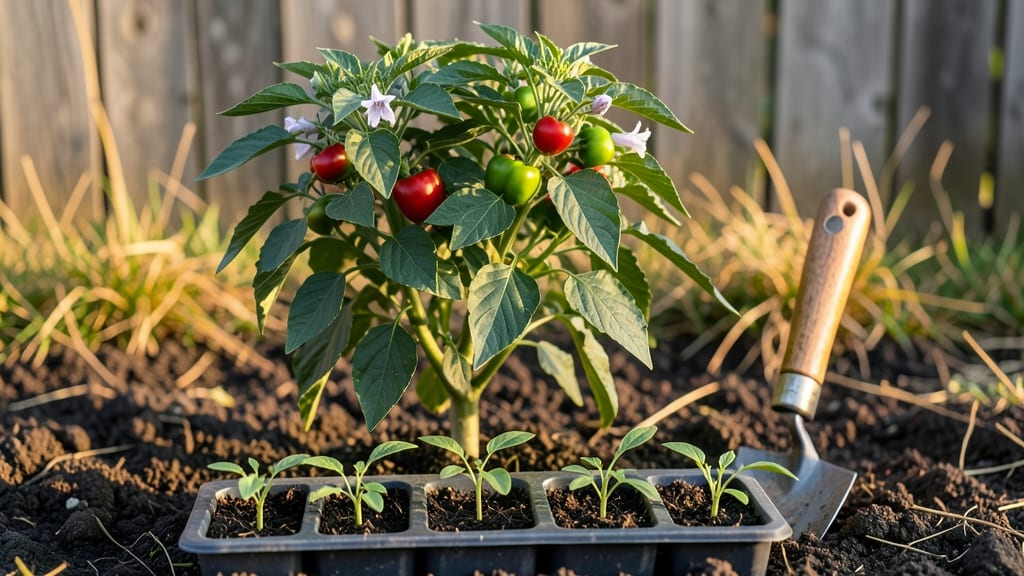
Planting pimento peppers unlocks the secret to homemade roasted red peppers with that signature smoky depth. 🌿 I’ve grown them for years, and the difference between store-bought and homegrown—especially when you nail the planting—is jaw-dropping.
These peppers thrive in warm climates but can also stretch the season with a little care.
The key starts with soil: they crave well-draining, slightly acidic mix (pH 6.0–6.8) rich in compost. If you’re starting from seed, sow them indoors 8–10 weeks before your last frost, or grab sturdy transplants after soil warms to 60°F. Space them 18–24 inches apart—they’re bushy and need room to breathe.
Once planted, keep soil consistently moist but never soggy, and watch for those first pale yellow blooms. That’s your cue to fertilize lightly with a balanced feed. By mid-summer, you’ll be harvesting peppers that turn from green to deep red—perfect for stuffing, roasting, or drying. The flavor? Unmatched.
Here’s the twist: pimento peppers are sensitive to cold snaps, so protect young plants with row covers if nights dip below 50°F. And avoid overwatering—it’s the fastest way to invite disease. With these tweaks, you’ll go from seeds to bold harvests in no time.
📚 In This Guide
- What you need
- Instructions
- Tips and common mistakes
- Wrapping up and next steps
What you need
- ● Pimento Pepper Seeds: 10–20 seeds (choose Capsicum annuum varieties like 'Hungarian Wax' or 'Red Cherry' for classic pimento flavor).
- ● Seed Starting Mix: 5–10 lbs of sterile, well-draining potting soil (look for mixes labeled for seedlings).
- ● Seed Trays or Small Pots: 4–6" deep containers (biodegradable pots work great!).
- ● Grow Lights or Sunny Window: A full-spectrum LED grow light or a south-facing window with 6+ hours of sunlight.
- ● Watering Can or Spray Bottle: With a fine mist nozzle for gentle watering.
- ● Fertilizer: Balanced liquid fertilizer (10-10-10 or 5-5-5) for seedlings, plus a phosphorus-heavy fertilizer (like 10-20-10) when transplanting.
- ● Transplant Containers: 1-gallon pots or a garden bed with well-draining soil (pH 6.0–7.0).
- ● Mulch: Straw or shredded leaves to retain moisture and suppress weeds.
- ○ Stakes or Cages (Optional but Helpful): 3–4 ft tall for support as plants grow.
- ● Heat Mat: For faster germination if your home is chilly (<65°F).
- ● Soil Moisture Meter: To avoid over- or under-watering.
- ● Insect Spray (Neem Oil or Pyrethrin): For pest control (aphids and spider mites love peppers!).
- ● Pruning Shears: For shaping plants and encouraging bushier growth.
- ● Garden Gloves: To protect your hands from thorny stems.
- ● Journal or App: To track planting dates, watering schedules, and harvest progress!
Step-by-Step instructions for planting pimento peppers
Here’s how to grow these sweet, smoky peppers from scratch—with tricks to boost heat and flavor.
🌱 Step 1: Start Seeds Indoors 8-10 Weeks Before Last Frost
Fill 2-inch deep seed trays with moistened seed-starting mix, pressing it down lightly so it’s firm but not compacted. Pimento seeds germinate best at 75-85°F, so use a seedling heat mat if your home runs cooler. Plant 2 seeds per cell, about ¼ inch deep—burying them too deep slows germination.
Cover the tray with plastic wrap to retain warmth and moisture, then place it in bright, indirect light. Check daily for condensation—remove the wrap once 50% of seeds sprout (usually 7-14 days). Thin to the strongest seedling per cell, snipping the weaker one at soil level with clean scissors.
☀️ Step 2: Harden Off and Transplant After Warm Soil Threatens
Two weeks before your last frost, move seedlings outside for 1-2 hours daily in a sheltered spot. Gradually increase their time outdoors over 10-14 daysfull sun (6-8 hours daily) and warm soil, so wait until soil temps hit 60°F+ before planting.
Dig holes twice as wide as the root ball and space plants 18-24 inches apart—crowding reduces airflow and invites fungal diseases. Mix a handful of compost into the bottom of each hole to jumpstart root growth. Plant at the same depth as the nursery pot, then water deeply to settle the soil.
💧 Step 3: Water Deeply and Mulch for Consistent Moisture
Pimentos hate soggy roots but also dry out fast in hot climates. Water 1 inch per week, aiming for the soil 2 inches below the surface—this encourages deep root growth. Use a drip irrigation system or soaker hose to avoid wetting leaves, which spreads disease. Check soil moisture by sticking your finger in: if it feels dry past your first knuckle, it’s time to water.
Spread 2-3 inches of mulch around each plant (keeping it 2 inches away from stems to prevent rot). Straw or shredded leaves work best—they slow moisture loss and keep soil temps steady. Mulch also suppresses weeds, which compete for nutrients and stress your peppers.
✂️ Step 4: Prune and Fertilize for Bigger, Hotter Peppers
When plants reach 18 inches tall, pinch off the top set of leaves to encourage bushier growth. This redirects energy to fruit production instead of vertical stretching. Pimentos need balanced fertilizer (10-10-10) every 4-6 weeks—apply it after watering to prevent root burn. Stop fertilizing 6 weeks before harvest to let flavors concentrate.
Watch for yellowing lower leaves—this signals nitrogen deficiency. A side dressing of compost or a diluted fish emulsion spray fixes it fast. Remove any peppers that turn yellow or spotty before they ripen; diseased fruit spreads quickly. Harvest when peppers turn deep red or green (depending on variety) and feel firm to the touch.
Tips & tricks for perfect pimento pepper planting
Growing bold, flavorful pimento peppers takes patience and precision—here’s how to avoid common pitfalls and maximize your harvest.
Germination Secret: The 75-85°F temperature range in Step 1 is critical for fast, even germination. I’ve found that placing seed trays on a seedling heat mat under grow lights (instead of just window light) speeds up sprouting from 14 days to just 7-10 days. Keep the plastic wrap on until you see those first green shoots—condensation is normal, but mold isn’t.
Harden Off Gradually: That 1-2 hours daily outdoor exposure in Step 2 might seem short, but it’s the perfect balance. I learned the hard way that rushing this process can shock tender seedlings. Start with a sheltered spot like under a patio cover, then slowly increase time and wind exposure. Watch for wilting—if leaves droop, bring them back inside immediately.
Soil Temperature Matters: Never plant until soil hits 60°F+ as mentioned in Step 2. Cold soil shocks roots and delays growth. I use a soil thermometer to check—it’s worth the investment. If your soil runs cool, try planting in raised beds or black plastic mulch to warm it up faster. Pimentos are tropical at heart!
Pruning Technique: When your plants hit 18 inches in Step 4, pinch off those top leaves just above a set of leaves. This might seem counterintuitive, but it forces the plant to branch out and produce more fruit. I also recommend removing any suckers (those little shoots that grow in the leaf axils)—they sap energy from your peppers. Think of it as redirecting your plant’s focus to what really matters: those flavorful peppers.
Pro Tips for Planting Pimento Peppers
- Growing bold, flavorful pimento peppers takes patience and precision—here’s how to avoid common pitfalls and maximize...
- Germination Secret: The 75-85°F temperature range in Step 1 is critical for fast, even germination. I’ve found that p...
- Harden Off Gradually: That 1-2 hours daily outdoor exposure in Step 2 might seem short, but it’s the perfect balance....
Frequently asked questions
Got questions about growing your own fiery pimento peppers? You’re not alone—these bold beauties need a little extra love! Here are answers to the most common queries to help you crush your harvest.
When is the best time to plant pimento peppers?
Start seeds indoors 8–10 weeks before your last frost date (typically March–April in most climates). Transplant seedlings outdoors only after soil temps hit 65°F+ and nighttime temps stay above 55°F. Pimentos thrive in warm weather—they’re not frost-tolerant!
How long does it take for pimento peppers to mature?
Expect a 70–90 day harvest window from transplanting, but flavor peaks at 90–120 days. Early varieties (like ‘Cherokee’) may ripen faster, while heirlooms (like ‘Hungarian Wax’) take longer. Patience pays off—wait for deep red or yellow!
Can I grow pimento peppers in containers?
Use a 5-gallon pot or larger with well-draining soil. Place containers in full sun (6+ hours/day) and fertilize weekly with a balanced formula. Just ensure pots have drainage holes—root rot is their kryptonite.
Why are my pimento peppers turning yellow or dropping?
Yellowing leaves often signal overwatering or nutrient deficiency (try a calcium spray). Dropping peppers? Likely underwatering, heat stress, or poor pollination. Hand-pollinate with a brush if needed, and keep soil consistently moist (not soggy).
What’s the difference between pimento peppers and jalapeños?
Pimentos are sweeter, milder, and thicker-walled (0–5,000 SHU), ideal for stuffing or pickling. Jalapeños pack 2,500–8,000 SHU and are thinner-skinned. Both love heat, but pimentos need more space to bulk up!
Wrapping up and next steps
Planting pimento peppers is your ticket to a bold, homegrown harvest that’ll elevate every dish from tacos to roasted meats! 🌶️ With the right soil, spacing, and care, you’ll soon be reaping sweet, smoky peppers packed with flavor.
Whether you’re a seasoned gardener or a curious beginner, this guide gives you the confidence to grow like a pro.
Ready to take the next step? Start small—try a few plants in pots or your garden bed—and watch your green thumb grow! Soon, you’ll be sharing jars of homemade pimento cheese or pickled peppers with friends. Happy planting! 🌱