
Trees
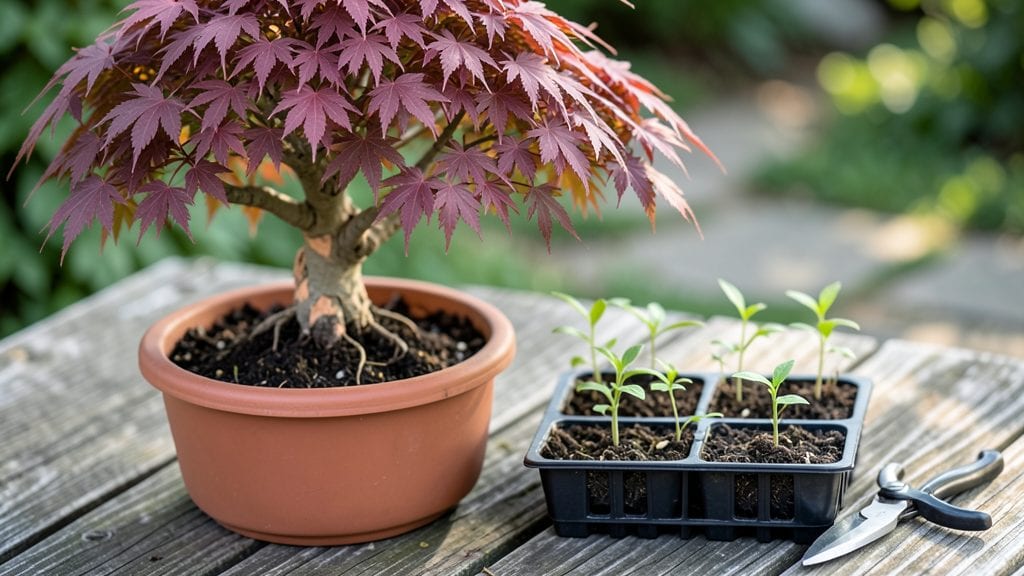
Planting box trees isn't just about finding a container—it's about creating a thriving mini-ecosystem where roots grow in layers, not circles. I learned the hard way that cramming a tree into a small pot guarantees stunted growth, but the right setup lets you grow full-sized trees in limited spaces.
The secret lies in matching the tree to the box, the soil to the roots, and the watering to the season.
Start with container-friendly species like dwarf Japanese maples or citrus trees in 15-25 gallon boxes for mature size. Avoid cheap plastic—cedar or redwood lasts years and resists rot. Your soil mix should be 60% potting soil, 30% compost, and 10% perlite to prevent compaction.
Most people overlook drainage, but clogged holes turn containers into root prisons—use cache pots with extra holes if needed.
Planting day comes down to three critical moves: score the root ball to encourage outward growth, bury the graft union just below soil level, and water deeply until it runs out the bottom.
Within 6-8 weeks, you'll see new shoots pushing through, and by year two, your box tree will look like it's been there for decades. The key is patience—these trees grow slower in containers, but with the right care, they thrive.
Adjust for seasons: move containers to shade in summer, wrap roots in burlap for winter, and fertilize lightly every 6-8 weeks during growing months. I've had box-grown fruit trees produce harvests equal to in-ground plants—proof that compact spaces can deliver big rewards.
Ready to turn that patio corner into a tree sanctuary?
📚 In This Guide
- What you need
- Instructions
- Tips and common mistakes
- Wrapping up and next steps
What you need
- ● Box tree plants: 1–3 (depending on desired size; dwarf varieties like Buxus sempervirens 'Suffruticosa' work well for containers).
- ● Planting container or box: For containers: 15–25 gallon pots (minimum 12" deep) with drainage holes.
- ● For ground planting: Well-draining soil (amend with compost if needed).
- ● High-quality potting mix: 1–2 bags (look for well-draining, peat-free blends with perlite or sand).
- ● Organic mulch: 1–2 bags (shredded bark or pine needles to retain moisture).
- ● Slow-release fertilizer: 1 (10–10–10 or balanced organic formula).
- ● Garden trowel or spade (for digging and transplanting).
- ● Gloves (to protect hands from thorns or rough bark).
- ● Watering can or hose with gentle spray nozzle (avoid overwatering!).
- ● Pruning shears (for shaping and maintenance).
- ● Sunlight assessment: Box trees thrive in full sun to partial shade (6+ hours of light daily).
- ● Drainage test**: Ensure containers or soil have proper drainage (no soggy roots!).
- ● Container liners (to protect pots from root damage).
- ● Epsom salt (1 tbsp/month for magnesium boost).
- ● Decorative stones or gravel (for a polished look in containers).
- ● Tree stakes or cages (for young trees in windy areas).
Step-by-step instructions for planting box trees
Here’s how to plant boxwoods for that classic, manicured look—without the fuss.
Choose the Perfect Location
Box trees thrive in full sun to partial shade, with at least 6 hours of direct light daily. I always check the spot for 4+ hours of morning sun—this prevents leaf scorch later in the day. Avoid low-lying areas where cold air pools, as boxwoods are sensitive to frost damage.
Test the soil by digging a 6-inch hole—it should drain well but hold moisture. If your soil feels compacted or clay-heavy, mix in 2 inches of compost from your materials list to improve aeration. Boxwoods hate soggy roots, so if drainage is poor, consider planting in a raised bed or container instead.
Prepare the Planting Hole
Dig a hole twice as wide as the root ball but no deeper—boxwoods struggle when buried too deep. The top of the root ball should sit 1 inch above ground level to prevent crown rot. Loosen the sides of the hole with a shovel to encourage root spread into surrounding soil.
If your boxwood came in a 1-gallon container, gently squeeze the sides to release the root ball before planting. For bare-root trees, soak the roots in lukewarm water for 30 minutes to rehydrate them. This step is critical—dry roots take longer to establish.
Plant and Amend the Soil
Place the boxwood in the hole, centering it so the trunk is straight. Fill the gap with native soil mixed with 50% compost (from your materials) to promote root growth. Tap the soil lightly around the base to remove air pockets, but don’t compact it—roots need room to expand.
Water deeply until moisture reaches 6 inches down, then add a 2-inch layer of mulch (from your materials) around the base, keeping it 3 inches away from the trunk. Mulch retains moisture and regulates soil temperature, but too much smothers the roots. I always rake it into a fan shape to direct water away from the center.
Water and Support New Growth
Keep the soil evenly moist for the first 2 weeks—water when the top 2 inches feel dry. Overwatering is the biggest mistake here; boxwoods tolerate drought better than soggy soil. After establishment, water once a week unless rainfall provides 1 inch of moisture.
Stake young boxwoods if they lean—use 2 bamboo stakes tied loosely with soft twine. Prune only to shape in early spring, removing no more than 1/3 of the foliage at a time. This encourages dense, compact growth. I promise, if you follow these steps, your boxwoods will stay lush and symmetrical for years.
Tips & tricks for planting box trees
These practical insights will help you avoid common pitfalls and ensure your boxwoods thrive from day one.
Location Intelligence: When selecting your planting spot, pay special attention to the morning sun requirement. I've found that areas receiving 4+ hours of morning sun but with afternoon shade prevent the dreaded leaf scorch that ruins so many boxwoods. If your yard has limited sun options, consider planting near a north-facing wall that reflects light while providing shade from intense afternoon rays.
Root Preparation Matters: For container-grown boxwoods, that 30-minute lukewarm water soak for bare roots is non-negotiable. I've seen dry roots take twice as long to establish, and that means weaker plants vulnerable to stress. For container plants, gently squeezing the sides to loosen the root ball prevents circling roots that can strangle your tree's growth over time.
Soil Mixing Strategy: The 50% compost mix in Step 3 isn't just about adding organic matter—it's about creating the perfect balance. I recommend using well-aged compost rather than fresh manure, which can burn tender roots. For clay-heavy soils, consider adding perlite to improve drainage while maintaining moisture retention. This combination gives your boxwoods the ideal environment to develop their signature compact growth.
Watering Wisdom: That first 2-week watering schedule is crucial, but timing matters just as much as quantity. Water in the morning so the foliage has all day to dry, preventing fungal issues. I've learned the hard way that evening watering leads to prolonged moisture on leaves, which invites disease. For the 6-inch deep watering, use a trowel to check moisture levels—you want dampness but not saturation at that depth.
Pro Tips for Planting Box Trees
- These practical insights will help you avoid common pitfalls and ensure your boxwoods thrive from day one.
- Location Intelligence: When selecting your planting spot, pay special attention to the morning sun requirement.
- Root Preparation Matters: For container-grown boxwoods, that 30-minute lukewarm water soak for bare roots is non-negotiable.
Frequently asked questions
Got questions about planting box trees in containers? You’re not alone! Here are some of the most common concerns—and their straightforward answers—to help you grow confidently.
What’s the best time of year to plant boxwood trees in containers?
Plant your boxwoods in early spring or early fall when temperatures are mild. Avoid extreme heat or frost, as these can stress young roots. Spring planting gives them time to establish before summer, while fall allows root growth before winter dormancy.
How deep and wide should my planting box be for a mature box tree?
Aim for a container that’s at least 12–18 inches deep and twice as wide as the root ball. Boxwoods have shallow roots but need room to spread. Add drainage holes and a layer of gravel to prevent soggy soil—root rot is a common pitfall!
Can I plant boxwoods in a box with other trees or shrubs?
Boxwoods thrive in companionship with dwarf conifers, hydrangeas, or ornamental grasses. Avoid aggressive rooters like bamboo or large shrubs that compete for space. Just ensure the container has enough room for all plants to grow without overcrowding.
Why are my boxwood leaves turning brown or yellow in the container?
Brown/yellow leaves often signal overwatering, underwatering, or nutrient deficiency. Check soil moisture (top 1–2 inches should be dry) and adjust watering. Yellowing can also mean iron deficiency—try a chelated iron supplement or acidic fertilizer if needed.
Do box trees in containers need winter protection?
In USDA Zones 5–7 or colder, wrap containers in burlap or move them to a sheltered spot. Mulch the soil surface with 3–4 inches of straw or leaves to insulate roots. Avoid plastic wraps, which trap moisture and cause rot.
How often should I repot a box tree in a container?
Repot every 2–3 years or when roots circle the container. Spring is ideal! Choose a pot just 2–3 inches larger in diameter to avoid overwhelming the plant. Prune 1/3 of the roots before repotting to encourage fresh growth.
Wrapping up and next steps
Planting box trees is a fantastic way to bring greenery into small spaces while enjoying their layered, compact beauty. Whether you’re a beginner or a seasoned gardener, the key is patience—allowing those roots to establish themselves in their cozy container will reward you with lush, thriving foliage. 🌱
Now that you’re armed with the right materials, techniques, and answers to common questions, it’s time to roll up your sleeves and get planting! Start with a well-draining soil mix, choose the perfect spot, and watch your boxwoods—or other box trees—transform your space into a serene, leafy oasis.
Happy gardening! 🌿