
Companion Plants
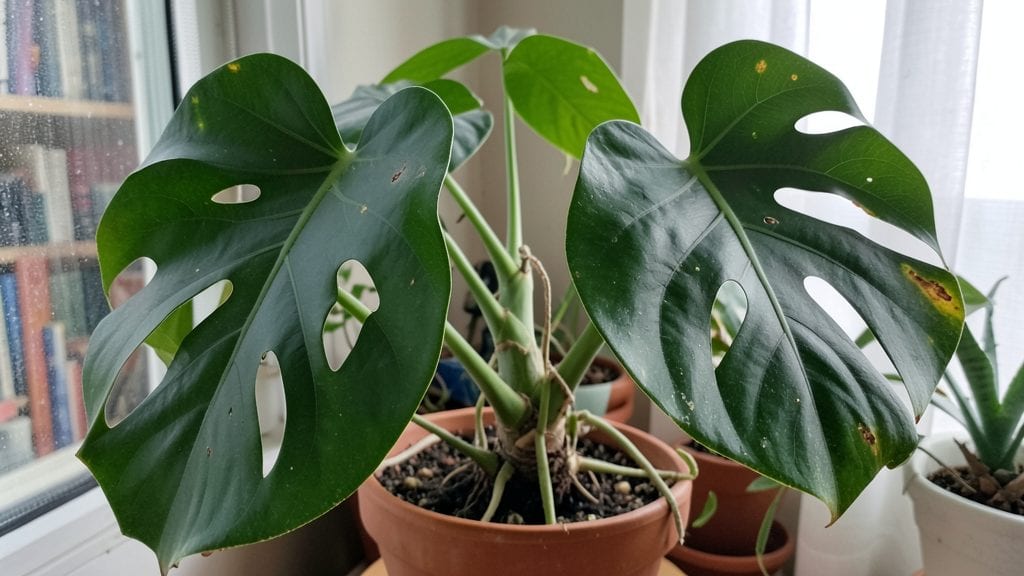
Growing Canadian tropical plants isn't just possible—it's a game-changer for adding lush greenery to your space year-round. ✨ I've turned my balcony into a mini jungle with tropical ferns, citrus trees, and even a banana plant, all thriving despite our chilly winters.
The key lies in understanding which varieties can handle our climate and how to protect them when temperatures drop.
Start with frost-tolerant tropicals like Meyer lemon trees, which can survive brief dips below freezing, or hardy ferns that bounce back from cold snaps. You'll need well-draining soil, containers with drainage holes, and a sunny spot—whether that's a south-facing window, greenhouse, or sheltered patio.
Overwintering strategies like moving plants indoors, using frost cloths, or even creating a mini greenhouse with a cold frame make all the difference.
By summer, you'll be rewarded with glossy leaves, fragrant blooms, and even fruit from your tropical plants. The air in your space will feel fresher, more vibrant, and surprisingly tropical—something that feels like a vacation every time you walk by.
With the right care, these plants become the showstoppers of your garden, no matter where you live in Canada.
Whether you're working with a sunny balcony, a greenhouse, or just a sunny windowsill, these tropical plants adapt beautifully. The secret is matching their needs to your space, and I'll show you exactly how to make it work without guesswork or expensive setups. Let's get those tropical vibes growing!
📚 In This Guide
- What you need
- Instructions
- Tips and common mistakes
- Wrapping up and next steps
What you need
- ● Canadian tropical plants: Start with hardy varieties like Calathea, Philodendron, or Bird of Paradise (check zone compatibility).
- ● Containers: 3–5 gallon pots (for indoor) or raised beds (for outdoor summer growing). Ensure pots have drainage holes!
- ● High-quality potting mix: 1–2 bags of peat-based or coco coir blend (add perlite for aeration).
- ● Fertilizer: Balanced liquid fertilizer (10-10-10) or slow-release granules for tropical plants.
- ● Grow lights (indoors):strong> LED or fluorescent lights (12–16 hours/day) for low-light spaces.
- ● Humidity tray or humidifier: Critical for tropical plants (aim for 50–70% humidity).
- ● Thermometer/hygrometer: Monitor temperature (ideal: 65–80°F) and humidity.
- ● Misting bottle: For occasional leaf hydration (use filtered water).
- ● Plant supports: Stakes or trellises for vining plants like Philodendron.
- ● Outdoor shade cloth (summer only): 30–50% shade for delicate tropicals in full sun.
- ● Garden journal: Track growth, watering, and fertilizer schedules.
How to grow Canadian-friendly tropical plants indoors
Bring that resort vibe home—even in freezing winters. These hardy tropical picks thrive with the right care.
🪴 Step 1: Select the Right Containers and Drainage
Choose pots with drainage holes—tropical plants hate soggy roots. I use 10-12 inch ceramic pots for larger plants like calatheas and 6-8 inch plastic pots for smaller varieties like fittonias. The ceramic helps regulate moisture, while plastic keeps roots warmer in cooler Canadian homes. Add a layer of orchid bark or gravel at the bottom to improve drainage and prevent root rot.
If your pots lack holes, drill them yourself. You’ll know you’ve done it right when water runs out freely within 10 minutes of watering. This prevents the roots from sitting in cold, wet soil, which can lead to fungal issues common in our climate.
☀️ Step 2: Set Up Ideal Lighting Conditions
Tropical plants need bright, indirect light—think of a north-facing window with sheer curtains or a grow light positioned 12-18 inches above the plants. In Canadian winters, natural light drops dramatically, so I supplement with a full-spectrum LED grow light for 12-14 hours daily. You’ll notice leaves turning pale or stretching toward the light? That’s your cue to adjust.
Rotate pots quarter-turn weekly so all sides get even exposure. This prevents lopsided growth and keeps foliage lush. If your space is dim, opt for low-light tropicals like ZZ plants or snake plants—they’ll survive with less drama.
💧 Step 3: Master the Watering Routine
Water when the top 1-2 inches of soil feel dry—overwatering is the #1 killer of tropicals in cold climates. I use room-temperature water (cold water shocks roots) and pour until it drains freely from the bottom. Empty the saucer 30 minutes later to avoid root rot. In winter, water every 7-10 days; in summer, every 5-7 days.
Mist leaves 2-3 times weekly to mimic humidity, but avoid soggy soil. If leaves start browning at the edges, that’s a sign of low humidity—group plants together or use a pebble tray with water to boost moisture without drowning roots.
🌿 Step 4: Maintain Consistent Warmth and Humidity
Keep temperatures between 65-80°F—most Canadian homes drop below this in winter, so avoid drafty spots near windows or doors. If your home runs cooler, use a small space heater (safely!) or place pots on a heat mat set to 70°F. Watch for yellowing leaves—a classic sign of cold stress.
Increase humidity with a humidifier or by placing pots on a tray of pebbles with water. Just ensure the pot isn’t sitting directly in water—roots need air too. A simple shower spray on leaves also helps, but do it in the morning so foliage dries quickly.
✂️ Step 5: Prune and Fertilize for Year-Round Growth
Trim yellow or damaged leaves with clean scissors to encourage new growth. Pinch back leggy stems to promote bushier plants. I fertilize every 4-6 weeks in spring/summer with a balanced liquid fertilizer (like 10-10-10) diluted to half-strength. In winter, cut back to every 8-12 weeks—plants grow slower when light is limited.
If you notice slow growth or pale leaves, it’s time to feed. But here’s the thing—more isn’t better. Over-fertilizing burns roots, especially in our dry winters. Always water before fertilizing to avoid salt buildup in the soil.
Tips & tricks for perfect Canadian tropical plant care
Growing tropical plants in Canadian winters takes strategy—not magic. These insider tips will help you avoid common pitfalls and keep your foliage thriving year-round.
Drainage is Non-Negotiable: That 10-minute drainage test after watering isn't just about speed—it's about saving your plants. If water pools in the saucer after 30 minutes, your drainage layer needs more orchid bark or gravel. I've seen root rot develop in just 48 hours when drainage fails, so don't skip this step!
Lighting Hack for Small Spaces: When setting up your 12-14 hour daily grow light, position it so the light just grazes the top leaves. This creates even growth without burning. For plants in dim corners, try reflective surfaces like aluminum foil on walls—they can bounce light back to plants that need it.
Winter Watering Adjustment: The 7-10 day winter watering guideline assumes your home stays above 65°F. If your basement apartment hovers around 60°F, extend to 10-14 days. Stick your finger in the soil—if it's dry past 1 inch, it's time to water. Cold air holds less moisture, so your plants actually need less frequent watering.
Fertilizer Timing Secret: That 4-6 week spring/summer feeding schedule works because tropical plants grow fastest when light is abundant. In winter, when you cut back to 8-12 weeks, remember to halve the fertilizer strength too—roots are less active and can't handle the same nutrient levels. Think of it as giving your plants a winter vitamin supplement, not a full meal.
Pro Tips for Canadian Tropical Plants
- Growing tropical plants in Canadian winters takes strategy—not magic.
- Drainage is Non-Negotiable: That 10-minute drainage test after watering isn't just about speed—it's about saving your plants.
- Lighting Hack for Small Spaces: When setting up your 12-14 hour daily grow light, position it so the light just grazes the top leaves.
Frequently asked questions
Got questions about growing tropical plants in Canada’s chilly climate? You’re not alone! Here are some of the most common concerns—and how to tackle them like a pro.
Can tropical plants really survive Canadian winters?
Most tropical plants can’t handle frost, but with the right strategies, they can thrive year-round in Canada. Use greenhouses, grow lights, or indoor pots during winter, and move them outdoors in summer. Hardy tropicals like Calathea or Philodendron are great starters!
What’s the best way to overwinter tropical plants indoors?
Place them near south-facing windows for natural light, supplement with grow lights (12–14 hours/day), and keep humidity high with a pebble tray or humidifier. Avoid drafts—consistent 65–75°F (18–24°C) temps work best. Prune leggy growth to encourage bushiness!
How often should I water tropical plants in a Canadian climate?
Indoors, water when the top inch of soil is dry (usually every 5–7 days). Outdoors in summer, they’ll need daily watering if the heatwave hits. Pro tip: Use room-temperature water and avoid soggy soil—tropical plants hate root rot!
Are there cold-hardy tropical plants for Canadians?
Yes! Try Zamioculcas (ZZ plant), Dracaena, or Snake Plant—they tolerate cooler temps and low light. For outdoors, Banana plants (Musa spp.) can survive mild winters if mulched heavily. Research USDA Zone 5+ tropicals for your region!
Why are my tropical leaves turning yellow or brown?
Yellow leaves often mean overwatering or nutrient deficiency, while brown edges signal low humidity or fluoride in tap water. Check soil moisture, flush with distilled water, and mist leaves. Pests like spider mites can also cause browning—inspect undersides!
Wrapping up and next steps
Growing Canadian tropical plants may seem like a challenge, but with the right techniques—like maximizing light, controlling humidity, and choosing the perfect species—you can create a thriving indoor jungle even in the coldest climates! 🌿 Whether you're a beginner or a seasoned gardener, these plants bring vibrant life and a touch of the tropics to your space year-round.
Ready to dive in? Start small with easy-care plants like peace lilies or bird-of-paradise, then expand your collection as you gain confidence. Your green oasis is just a few steps away—happy planting! 🌱