
Pruning
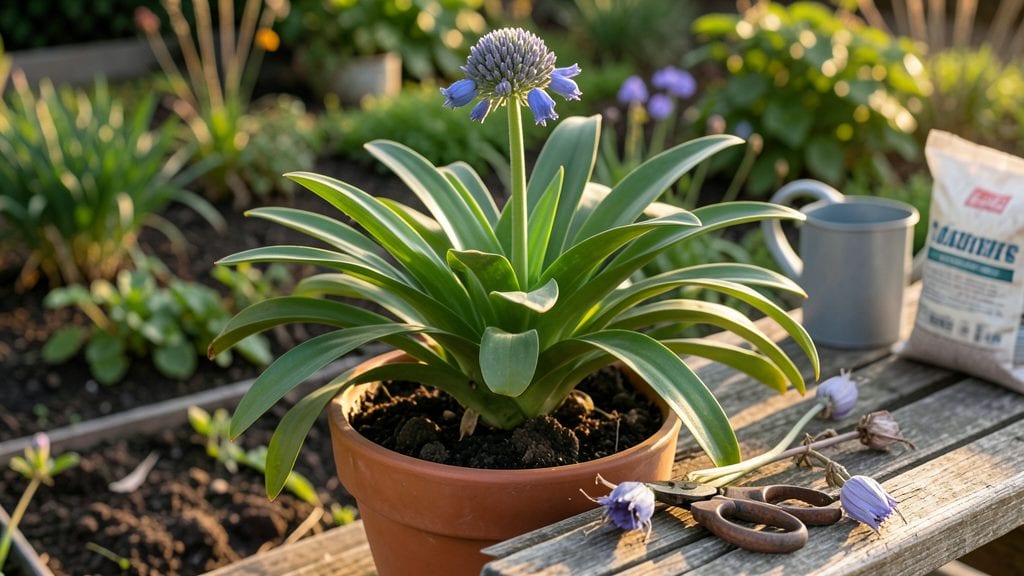
Pruning agapanthus plants isn't just about tidying up—it’s the secret to year-round blooms and plants that look lush instead of leggy. 🌿 I’ve learned that skipping these cuts means fewer flowers and more floppy stems, but three strategic trims a year transform my agapanthus into a nonstop bloomer.
The first cut sets the stage, the second keeps them compact, and the third clears out the old to make room for new growth.
You’ll need sharp pruners (dull blades tear stems), clean gloves (those sap stains are stubborn), and a clear day when the plants are dry—never prune after rain or you’ll risk fungal issues.
Timing matters too: the first trim comes right after blooms fade, the second happens in late summer to shape the plant, and the final one in early spring clears out dead growth before new shoots appear.
This routine takes just 15-20 minutes per plant but pays off in bold, healthy foliage and more flowers.
After pruning, your agapanthus will bounce back with thicker stems and brighter blooms—the kind that turn heads at the garden center. The key is cutting back by about one-third each time, always just above a leaf node or bud.
This encourages bushier growth and prevents those sad, bare stems that make plants look tired. Plus, you’ll avoid the dreaded "agapanthus flop" where stems sag under the weight of too many blooms.
This method works for all agapanthus varieties, whether you’re growing them in containers or in the ground. The same rules apply whether you’re dealing with the compact ‘Titanium’ or the towering ‘Black Adder.’
Start with one plant to get the hang of it, and soon your agapanthus will be the showstopper of your garden—blooming reliably from spring through fall.
📚 In This Guide
- What you need
- Instructions
- Tips and common mistakes
- Wrapping up and next steps
What you need
- ● Pruning shears or secateurs: Sharp, bypass-style shears (4–6 inches) for clean cuts. Disinfect with rubbing alcohol before and after use! 🧴
- ● Garden gloves: Heavy-duty, cut-resistant gloves (1 pair) to protect your hands from thorns and sap.
- ● Hand pruners: Smaller, anvil-style pruners (for tight spaces) if your agapanthus has thick stems.
- ○ Garden twine or plant ties: (Optional) For securing large stems if they’re floppy post-prune.
- ● Rake or hoe: To clear away debris after trimming (especially in garden beds).
- ● Pruning saw: For thick, woody stems (if your agapanthus is mature and stubborn!).
- ● Fungicide spray: Copper-based or neem oil to prevent infections if cuts look jagged.
- ● Compost or mulch: To refresh the soil after pruning and boost next year’s blooms! 🌿
- ● Label markers: If you’re dividing plants, tag new sections to track growth.
How to prune agapanthus for continuous, stunning blooms
This three-cut method keeps your agapanthus thriving and flowering season after season.
✂️ Step 1: Deadhead Spent Blooms After Summer
Once your agapanthus flowers fade in late summer, cut the entire flower stalk back to the base with clean, sharp pruners. I like to do this in stages—wait until about 70% of blooms have dropped before cutting, as this prevents seed formation that drains the plant's energy. The goal is to redirect that stored energy into next year's growth instead of seed production.
Use sterilized pruners to avoid spreading disease between cuts. Make clean, diagonal cuts just above a leaf node or new growth point. This ensures the plant can quickly seal the wound and prevents water from pooling, which can cause rot. You'll notice new side shoots emerging from the base within 2-3 weeks—this is your plant's way of preparing for next season.
🌿 Step 2: Trim Back Foliage in Early Spring
In early spring, when new shoots emerge but before they reach 4 inches tall, give your agapanthus a light trim. This is where many gardeners go wrong—they cut too aggressively, but agapanthus stores energy in its rhizomes. Instead, simply remove any dead or damaged leaves and cut back last year's foliage by about one-third of its height.
Focus on the outer leaves first, working your way inward. This allows sunlight to reach the center of the plant, encouraging stronger, more compact growth. You'll see fresh, vibrant leaves unfurling within 10-14 days, signaling that the plant is actively growing. Avoid cutting into the fleshy, green rhizomes—these are the plant's energy reserves, and damaging them weakens the plant.
✂️ Step 3: Lightly Shape in Late Winter for Airflow
Just before new growth begins in late winter, give your agapanthus a light shaping trim. Remove any old, yellowed leaves or stems that have died back completely. The key here is to improve airflow—agapanthus can suffer from fungal issues if the center gets too crowded and damp. Cut back any stems that are crossing or rubbing against each other, as these create entry points for pathogens.
Use your pruners to make small, precise cuts just above a leaf node. Avoid over-trimming—you're not trying to drastically reduce the plant's size, just creating a cleaner, healthier structure. After this trim, your agapanthus should look tidy but still full. This step is all about setting the stage for strong, healthy growth in the coming months. You'll notice the plant looking refreshed and ready to burst into growth within 2-3 weeks of the trim.
⏰ Step 4: Monitor and Adjust Through the Year
Throughout the year, keep an eye out for any overly leggy growth or stems that are growing away from the center. These can be trimmed back at any time to maintain the plant's shape. I like to do a quick check every 4-6 weeks during the growing season, removing just a few stems at a time. This keeps the plant looking neat and encourages a fuller, bushier habit.
If you notice any yellowing leaves that aren't dead, hold off on cutting them—this could be a sign of nutrient deficiency or overwatering. Instead, focus on adjusting your care routine. Agapanthus is a tough plant, and with these strategic trims, you'll keep it flowering beautifully for years to come. The key is consistency—stick to this schedule, and you'll have a plant that's always ready to burst into bloom.
Tips & tricks for perfect agapanthus pruning
These simple strategies will help you maintain your agapanthus plants for years of vibrant blooms—without the guesswork.
The Timing Factor: That 70% bloom drop in Step 1 is key—waiting until most flowers have faded ensures you're not cutting too early, which could stress the plant. I've seen gardeners cut too soon, and their plants never rebounded. Also, the 2-3 week window for new side shoots to emerge is your green light that the plant is happy and ready for next season's growth.
Tool Technique: Sterilizing your pruners between cuts is non-negotiable—dip them in rubbing alcohol or a 10% bleach solution between plants to prevent spreading fungal diseases. For Step 3's shaping trim, I use a small pair of pruning shears for precision cuts just above leaf nodes. The goal is clean cuts that heal quickly, not jagged edges that invite rot.
Growth Observation: Those 10-14 days for new leaves to unfurl after Step 2 is your plant's way of telling you it's thriving. If you're not seeing fresh growth within that window, check your watering—agapanthus needs consistently moist (not soggy) soil. Yellowing leaves that aren't dead? Hold off on cutting—they're often a sign of overwatering or nutrient imbalance, not just "old growth."
Seasonal Strategy: The 4-6 week monitoring schedule in Step 4 keeps your plant looking its best without over-trimming. I mark my calendar with seasonal reminders: "Late summer deadheading," "Early spring light trim," and "Late winter shaping." This consistency is what transforms good agapanthus into showstopping agapanthus that blooms reliably year after year.
Pro Tips for Agapanthus Plants Pruning
- These simple strategies will help you maintain your agapanthus plants for years of vibrant blooms—without the guesswork.
- The Timing Factor: That 70% bloom drop in Step 1 is key—waiting until most flowers have faded ensures you're not cutting too early, which could stress the plant.
- Tool Technique: Sterilizing your pruners between cuts is non-negotiable—dip them in rubbing alcohol or a 10% bleach solution between plants to prevent spreading fungal diseases.
Frequently asked questions
Got questions about keeping your agapanthus looking its best? Here are some of the most common ones—plus quick answers to help you prune like a pro!
When is the best time to prune agapanthus for blooms?
Prune agapanthus after flowering (late summer to early fall) to encourage next year’s blooms. A light trim in spring (early March) removes dead foliage, and a hard prune in late winter (before new growth) keeps the plant tidy. Never prune in fall after frost—it can damage the plant.
How much should I cut back agapanthus in winter?
Reduce the stems by ⅓ to ½ of their height in late winter (February). This promotes fresh growth and prevents flopping. Avoid cutting into old wood—always leave some green or healthy stems. Pro tip: Wear gloves—agapanthus leaves can be sharp!
What if I prune at the wrong time and my agapanthus doesn’t bloom?
If you prune too early (before flowering) or too late (after frost), blooms may skip a season. Fix it: Skip pruning that year and focus on fertilizer (high in phosphorus) to stimulate blooms. Next year, stick to the post-flowering and late-winter schedule.
Can I prune agapanthus in pots differently than in the ground?
Yes! Potted agapanthus need more frequent trims—prune lightly after each bloom cycle to maintain shape. In winter, reduce stems by ¼ to ⅓ (less aggressive than ground plants). Repot every 2–3 years to refresh roots and encourage growth.
Do I need to sterilize my pruners between cuts?
Sterilize blades with rubbing alcohol or a 10% bleach solution between cuts to prevent disease spread. Agapanthus are tough, but bacterial leaf blight can sneak in through dirty tools. Quick fix: Wipe blades with a disinfectant wipe mid-pruning for large batches.
Wrapping up and next steps
Pruning your agapanthus isn’t just about keeping them tidy—it’s the secret to stunning, year-round blooms! 🌸 By mastering the three strategic trims (spring cleanup, post-bloom shaping, and winter prep), you’ll encourage healthier growth, bigger flowers, and a garden that stays vibrant all season.
The key? Timing, sharp tools, and confidence—your plants will thank you with lush foliage and bursts of color.
Ready to transform your agapanthus into a blooming superstar? Grab those shears, follow your new pruning plan, and watch your garden thrive! 🌱 Next, check out our care calendar to keep your agapanthus happy year-round.