
Companion Plants
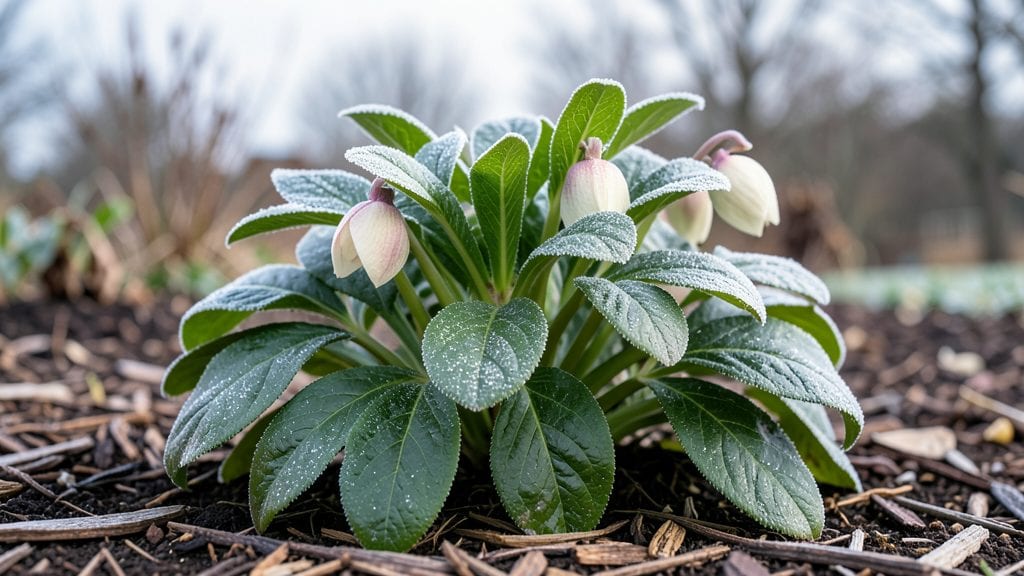
Overwintering plants isn’t about giving up on your garden when temperatures drop—it’s about extending the growing season with the right strategies. I’ve successfully kept perennials, herbs, and even tender annuals alive through winters in Zone 5, and the secret lies in understanding each plant’s cold tolerance while providing smart protection.
The key isn’t freezing or wilting; it’s about creating microclimates that mimic nature’s own insulation.
Start with the right plant choices—hardy perennials like lavender, Russian sage, and hardy salvia handle frost like champions, while tender plants need temporary shelter. Mulching with 3-4 inches of straw or shredded leaves acts as a blanket, insulating roots from extreme cold.
For potted plants, move them to a sheltered spot or wrap containers in bubble wrap to prevent cracking. Even a simple clear plastic dome over sensitive foliage can make all the difference when temperatures dip below 20°F.
By spring, you’ll see plants emerging weeks earlier than neighbors who started fresh, with stronger roots and more vigorous growth. The payoff isn’t just survival—it’s a head start on the season.
Whether you’re protecting a prized rose bush or overwintering basil for fresh harvests in early spring, these methods turn winter from a threat into an opportunity. Let’s get your plants through the cold with confidence.
Regional adjustments matter—southern gardeners focus on heat waves and humidity, while northern growers prioritize windbreaks and deep mulch. The principles stay the same, but the details shift. Start small with one or two plants this year, and you’ll quickly see how overwintering transforms your garden’s resilience. Ready to try it?
📚 In This Guide
- What you need
- Instructions
- Tips and common mistakes
- Wrapping up and next steps
What you need
- ● Cold-hardy plant varieties: Choose from kale, Swiss chard, spinach, carrots, radishes, or hardy herbs (thyme, rosemary, oregano). Start with 3–5 plants for small gardens or 10+ for larger spaces.
- ● Garden bed or containers: For in-ground: 1–2 raised beds (4’x8’) with 6–12” deep soil.
- ● For containers: 5–10-gallon pots (one per plant) with drainage holes.
- ● Organic mulch: 2–3 inches of straw, shredded leaves, or wood chips to insulate roots.
- ● Row covers or frost cloth: 1–2 heavyweight covers (30–50g weight) to shield from frost.
- ○ Cold frames or low tunnels: 1–2 frames (optional but ideal for extreme cold).
- ● Compost or slow-release fertilizer: 1–2 cups per plant (low-nitrogen, 5-10-10 ratio).
- ● Watering can or hose with nozzle: 1–2 gallons capacity for gentle watering.
- ● Pruning shears: 1 pair for trimming dead foliage.
- ● Heating mats: For container gardens in Zone 5 or colder.
- ● Thermometer: Soil or air thermometer to monitor temps (ideal: 40–60°F).
- ● Drip irrigation system: Automates watering (great for snow cover).
- ● Plant markers: Biodegradable labels to track varieties.
- ● Gloves & knee pads: For comfortable digging in cold weather.
Step-by-step instructions for overwintering plants
Here's how to protect your plants through winter while ensuring they bounce back stronger next spring.
Assess Plant Hardiness and Choose Protection Methods
First, research each plant's hardiness zone rating—this tells you the lowest temperature it can tolerate without damage. For example, lavender thrives in zones 5-9, while rosemary needs at least zone 8. Group plants with similar cold tolerance together to simplify protection.
I always check the forecast for the next 3-4 weeks and prepare accordingly. If a hard freeze is expected, move tender plants indoors or into a garage immediately. For perennials like hostas or daylilies, focus on insulating the soil and crown rather than the foliage itself.
Prepare Insulation Materials and Mulch Heavily
Spread a 3-4 inch layer of straw or leaves over the soil around the base of each plant to insulate roots from freezing temperatures. Avoid using grass clippings, as they can mat down and trap moisture, leading to rot. For added protection, wrap the crown of tender perennials with burlap or frost cloth, securing it loosely with twine.
If you have potted plants, move them to a sheltered location like a garage or under an eave, where temperatures stay 10-15°F warmer than outdoors. Group pots together to create a microclimate that retains heat better. Never cover pots with plastic—this traps cold air and can damage roots.
Monitor Moisture and Adjust Watering
Overwintering plants need far less water than in growing season, but the soil should never dry out completely. Check moisture by sticking your finger 1-2 inches deep into the soil—if it feels dry, water lightly. Avoid overhead watering, as wet foliage can develop fungal issues when temperatures fluctuate.
I always reduce watering by half once temperatures drop below 40°F. For container plants, ensure pots have drainage holes and use a moisture meter to avoid overwatering. If the soil stays soggy, roots will suffocate, even in cold weather.
Prune and Clean Up Strategically
Wait until late winter or early spring to prune back dead foliage—this protects dormant buds from cold snaps. Cut back only what’s clearly dead or damaged, leaving the rest to insulate the crown. For woody plants like shrubs, shape lightly in February, just before new growth begins.
Remove any diseased leaves or debris from the area to prevent pests and pathogens from overwintering. I always sweep up fallen leaves and dispose of them in the trash, not the compost, to avoid spreading problems. This is the time to tidy up, but avoid heavy pruning until the plant signals new life.
Gradually Reintroduce Plants to Spring Conditions
As temperatures rise above 40°F consistently, remove insulation materials gradually over 2-3 weeks to avoid shocking the plants. Start by uncovering pots or lifting mulch from one side, then monitor for new growth. If buds begin to swell, leave the plant partially uncovered to prevent overheating.
Once all frost risk has passed, fertilize lightly with a balanced, slow-release fertilizer to encourage strong regrowth. I always wait until after the last frost date in my zone before applying anything stronger than a half-strength solution. This ensures the plant isn’t stressed by cold while also getting the nutrients it needs to thrive.
Tips & tricks for perfect plant overwintering
These essential strategies will help you navigate the nuances of cold-hardy plant care and prevent common overwintering mistakes that can compromise next season's growth.
Hardiness Zone Research: Don't rely solely on general hardiness zone labels—microclimates within your garden can create significant temperature variations. For instance, a south-facing wall can create a zone 2-3 warmer microclimate compared to open ground. I always test my garden's microclimates by observing where plants thrive or struggle naturally. This precision helps determine which plants need extra protection and which can handle winter exposure.
Insulation Layering Technique: When creating that critical 3-4 inch insulation layer, consider adding a layer of cardboard or foam board beneath the mulch for potted plants. This creates an additional barrier against cold air seeping upward from below. For in-ground plants, incorporate a layer of bubble wrap around the base of the stem before adding mulch—this small addition can make a significant difference in root protection during extreme cold snaps.
Watering Precision: The finger-check method for moisture works best when you're consistent about when and where you check. I recommend testing moisture in the same spot each time, typically about 1-2 inches deep near the plant's base. Remember that container plants dry out faster than in-ground plants, even in winter. For these, I use a moisture meter rather than guessing—it's a small investment that prevents both underwatering and the root suffocation that comes from overwatering during cold months.
Pruning Timing Strategy: The late winter/early spring pruning window is crucial for woody plants. I've found that February is ideal because it allows for any late-season cold snaps while still giving plants enough time to respond to pruning before active growth begins. For deciduous plants, wait until you see new buds forming before pruning—this ensures you're not cutting back potential growth. Always sterilize your pruning tools with rubbing alcohol between cuts to prevent spreading any latent diseases that might be hiding in your garden.
Pro Tips for Over Winter Plants
- These essential strategies will help you navigate the nuances of cold-hardy plant care and prevent common overwintering mistakes that can compromise next season's growth.
- Hardiness Zone Research: Don't rely solely on general hardiness zone labels—microclimates within your garden can create significant temperature variations.
- Insulation Layering Technique: When creating that critical 3-4 inch insulation layer, consider adding a layer of cardboard or foam board beneath the mulch for potted plants.
Frequently asked questions
Got questions about keeping your plants thriving through winter? Here are some of the most common concerns—and their answers—to help you overwinter like a pro!
What’s the best temperature range for overwintering plants?
Most cold-hardy plants thrive between 35–50°F (2–10°C). Use a thermometer to monitor temperatures—some plants (like pansies or kale) can handle dips below freezing, while tender perennials (like lavender) need protection above 20°F (-7°C). A cold frame or insulated container adds extra warmth when needed.
When is the right time to start overwintering?
Begin preparing plants 4–6 weeks before the first frost (check your USDA hardiness zone). For container plants, move them indoors or to a sheltered spot by mid-to-late fall. For in-ground perennials, mulch heavily after the ground freezes to insulate roots. Pro tip: Label plants now so you don’t forget which ones need special care!
Can I overwinter plants indoors? If so, how?
Yes! Choose a bright, cool spot (like a sunroom or basement) with 4–6 hours of indirect light daily. Reduce watering—overwatering is a common killer. Dust leaves gently, and rotate plants weekly for even growth. If space is tight, herbs like rosemary or thyme thrive in pots near a kitchen window.
What do I do if my overwintered plants look dead in spring?
Don’t panic! Many plants (like hostas or peonies) stay dormant until soil warms. Wait 2–3 weeks before pruning—cut back only dead, brown stems. If mold appears, improve airflow or repot. A quick soil test ensures nutrients aren’t the issue.
Are there any plants that don’t overwinter well?
Annuals (like marigolds or impatiens) and tropicals (e.g., caladiums or hibiscus) won’t survive winter outdoors. For these, treat them as seasonal plants or take cuttings to propagate. Swap them out for cold-hardy alternatives like pansies or cabbage for year-round color!
Wrapping up and next steps
Overwintering your plants isn’t just possible—it’s rewarding! 🌱 With the right techniques, you can enjoy lush, thriving greenery even in the coldest months. Whether you’re protecting tender herbs or preserving perennials, these strategies ensure your garden stays vibrant year-round.
Ready to put your new skills to the test? Start by selecting a few cold-hardy plants and experiment with one overwintering method this season. Before you know it, you’ll be harvesting fresh flavors or admiring blooms well past the frost! 🌿