
Pests
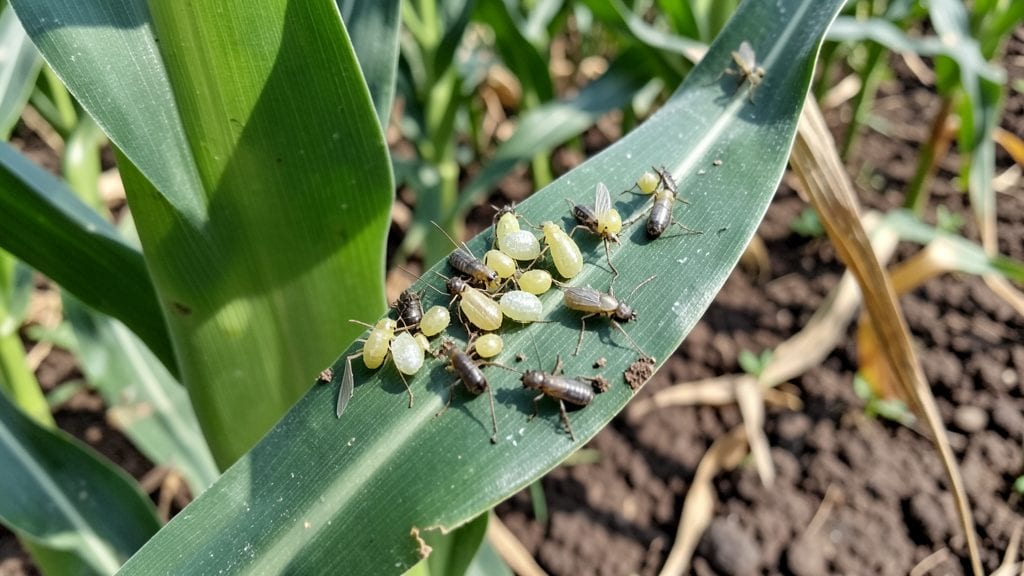
Bugs on corn plants turn your golden stalks into a buffet before you even get to harvest. 🌽 I’ve watched entire ears get chewed to nubs by earworms, and the frustration is real—but there’s a way to fight back without harsh chemicals.
The key is catching them early, when damage is minimal and solutions are simple.
Most corn pests—like aphids, corn rootworms, or earworms—leave telltale signs: chewed leaves, silken webs, or tiny holes in silk. I’ve learned to check plants weekly once they start tasseling, and that’s when I spot the damage before it spirals.
Organic controls like neem oil, row covers, or even handpicking work better than you’d think if you act fast.
You’ll end up with ears that stay intact, kernels that fill out properly, and a garden that doesn’t feel like an all-you-can-eat buffet for pests. The best part? These methods protect your soil and future crops too. Let’s get those stalks back to their full potential.
Works for home gardeners in any climate, whether you’re growing sweet corn, popcorn, or field corn. Here’s how to keep those bugs in check without losing your harvest.
Root Causes Of Pests On Corn
Cornfields are a buffet for hungry pests, but why do these critters show up in the first place? Understanding the why behind their presence helps you take smarter, more targeted action.
Below, we break down the key factors that turn your corn plants into a pest magnet—and how they create the perfect conditions for infestations.
When corn plants are under stress, they become far more vulnerable to pests. Stressors like drought, poor soil nutrition, or extreme temperatures weaken a plant’s natural defenses, making it an easy target. Here’s how it plays out:
- 💧 Water Deficiency: Drought-stressed corn has lower sugar content in its sap, but it also produces more nectar-like substances that attract sap-sucking insects like aphids and corn leaf aphids. These pests thrive on stressed plants because they’re easier to feed on.
- 🌡️ Temperature Swings: Sudden heatwaves or late-season frosts disrupt corn’s growth cycle. Weakened leaves become prime real estate for beetles (like the western corn rootworm) and caterpillars, which chew through tender, nutrient-deficient tissue.
- 🌾 Poor Soil Health: Corn needs nitrogen, phosphorus, and potassium to stay strong. If your soil lacks these nutrients, plants grow slowly and produce thin stalks—ideal hiding spots for earworms and stalk borers.
💡 Pro Tip: Conduct a soil test before planting. Amend with compost or organic fertilizers to boost plant resilience. Healthy corn is naturally less appealing to pests!
Planting the same crop year after year in the same spot is like rolling out the welcome mat for pests. Here’s why:
- 🐛 Pest Population Explosion: Many corn pests, like the Diabrotica genus of rootworms, lay eggs in the soil. If you grow corn annually, their larvae have a guaranteed food source, leading to exponential growth in their numbers.
- 🌾 Lack of Natural Predators: Monoculture fields disrupt the ecosystem. Beneficial insects (like ladybugs or parasitic wasps) that would normally prey on corn pests disappear because there’s no diversity in the habitat.
- 🔄 Resistant Strain Development: Some pests evolve resistance to chemical treatments when faced with the same environment and pest pressure repeatedly. Organic growers face this too—without rotation, pests adapt faster.
💡 Pro Tip: Practice crop rotation with non-host plants like beans, clover, or alfalfa. This breaks the pest life cycle and reintroduces biodiversity, which naturally suppresses infestations.
Some pests aren’t just attracted to corn—they’re programmed to be there. Their life cycles sync perfectly with corn’s growth stages:
| Pest | Life Stage | Why They Target Corn |
|---|---|---|
| Corn Earworm (Helicoverpa zea) | Larvae (caterpillars) | Emerges during tasseling and silking (June–August). Females lay eggs on silk, and larvae burrow into ears to feed. |
| Western Corn Rootworm (Diabrotica virgifera) | Adult beetles | Adults feed on silk and pollen during pollination (July). Larvae overwinter in soil, hatching to attack roots the next season. |
| Aphids (e.g., Corn Leaf Aphid) | Nymphs & adults | Thrive in warm, humid conditions (spring–summer). They cluster on new growth, sucking sap and transmitting viruses like maize dwarf mosaic. |
💡 Pro Tip: Use trapping techniques like pheromone traps for earworms or reflective mulch to deter rootworms. Timing is everything—intervene before pests reach their peak feeding stages!
Where you grow corn plays a huge role in which pests show up—and how bad the infestation gets. Climate and geography create hotspots for specific pests:
- 🌪️ Southern U.S. (Humid Climates): High moisture levels favor fungal diseases (like corn smut) and soft-bodied pests like aphids and spider mites. Fungal spores hitch rides on insects, worsening infestations.
- 🏜️ Northern/Central U.S. (Dryer Regions): Beetles (e.g., fall armyworm) dominate here. Drought-stressed plants attract these pests, which then spread rapidly in dry, windy conditions.
- 🌊 Coastal Areas: Salt spray and high humidity can stress corn, making it more susceptible to corn borers and fungal pests. Coastal winds also disperse pest eggs over larger areas.
💡 Pro Tip: Check local agricultural extension reports for your region’s top pests. Knowing what’s common in your area lets you prepare with targeted organic controls (e.g., neem oil for aphids in humid zones).
Quick Fixes for Corn Plant Pests
Corn plants are tough, but even they need a helping hand when pests invade. The good news? Most bugs can be managed with simple, organic solutions—no harsh chemicals required. Below, we’ve broken down the most common culprits and the best ways to tackle them, from quick fixes to long-term prevention.
Signs: Holes in leaves, silken webbing, or chewed kernels. How to Fix It:
- Handpick larvae 👨🍳—Check ears daily at dawn or dusk when worms are sluggish. Drop them into soapy water.
- Use pheromone traps 🎯—Hang traps early in the season to disrupt mating.
- Apply diatomaceous earth 🌡️—Sprinkle food-grade DE around the base of plants (reapply after rain).
- Plant trap crops ✨—Interplant with sorghum or sudangrass to lure borers away.
Prevention Tip: Rotate crops yearly and remove old stalks in fall to break the life cycle.
Signs: Sticky residue (honeydew), curled leaves, or fine webbing. How to Fix It:
- Spray with neem oil 🌿—Mix 1 tbsp neem oil + 1 tsp mild soap per quart of water. Spray undersides of leaves.
- Introduce beneficial insects 🐞—Ladybugs and lacewings devour aphids. Buy them online or attract them with dill or fennel.
- Blast off with water 💦—A strong hose stream (early morning) knocks them off plants.
- Prune heavily infested leaves ⏰—Remove and destroy affected foliage immediately.
Prevention Tip: Mulch with straw to retain moisture—drought-stressed plants attract more pests.
Signs: Wilting, stunted growth, or larvae in soil near roots. How to Fix It:
- Rotate crops 🔄—Avoid planting corn in the same spot for 3+ years.
- Use beneficial nematodes 🐛—Apply Heterorhabditis bacteriophora to soil (available at garden centers).
- Plant resistant varieties 🌱—Look for Bt (Bacillus thuringiensis) corn or hybrid types labeled "rootworm-resistant."
- Intercrop with marigolds 🌼—Their scent repels rootworms naturally.
Prevention Tip: Till soil in fall to expose and kill overwintering eggs.
Signs: Black mold, rot, or white fuzzy growth after pest infestations. How to Fix It:
- Remove infected plants 🔪—Dispose of them in sealed bags (not compost).
- Apply copper fungicide 🛡️—Spray a mix of 1 tsp copper sulfate per gallon of water.
- Improve airflow 🌬️—Space plants wider and prune nearby weeds.
- Water at the base 💧—Avoid overhead watering to keep leaves dry.
Prevention Tip: Space rows 30+ inches apart and avoid overhead irrigation.
- Encourage biodiversity 🌍—Plant flowers like marigolds, cosmos, or nasturtiums to attract predator insects.
- Use row covers 🛡️—Lightweight fabric keeps pests out while letting sunlight and water through.
- Inspect regularly 👀—Check plants weekly, especially undersides of leaves and ear husks.
- Clean up debris 🧹—Remove old stalks, leaves, and weeds where pests hide.
Pro Tip: 💡 The earlier you act, the easier the fix! Most pests are manageable with quick action—don’t wait until damage spreads. With these methods, your corn should bounce back stronger than ever.
Frequently asked questions about corn plant pests
What are the most destructive bugs that attack corn plants?
The worst offenders are corn earworms (they tunnel into ears), western corn rootworms (they chew roots), and aphids (they suck sap and spread disease). Earworms cause the most visible damage—look for silken webs or holes in husks during pollination season.
How do I tell if my corn plants have rootworms?
Check for stunted growth, yellowing leaves, or plants that wilt easily—these are classic signs. Dig around the base and look for chewed roots or small white larvae. Rootworms thrive in warm soil, so problems peak in late summer.
Are there organic ways to prevent earworms without chemicals?
Yes! Start with pheromone traps (hang them at planting time) to disrupt mating. For existing infestations, handpick worms at dawn/dusk (drop them in soapy water) or apply diatomaceous earth around plant bases. Planting marigolds nearby also helps repel them naturally.
Can I still harvest corn if I find pests?
It depends on the pest. Earworms inside ears mean discard those kernels, but outer leaves with aphids are usually safe to eat after washing. For rootworms, harvest early—young plants may still produce edible ears despite root damage. Always inspect ears thoroughly before cooking.
Why do aphids keep coming back even after spraying?
Aphids multiply fast (up to 200 eggs per female!) and are often brought by wind or beneficial insects. For lasting control, combine neem oil sprays with companion planting (dill or fennel attracts their predators). Check undersides of leaves daily—early action prevents explosions.