
Diseases
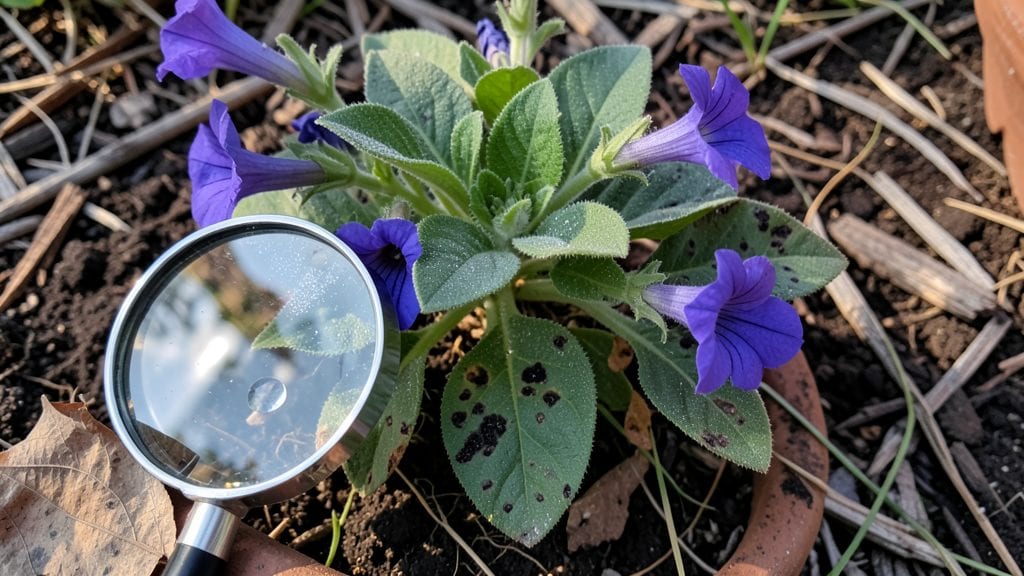
Petunia plant diseases can turn vibrant blooms into sad, spotted messes—but catching them early makes all the difference. 🌿 I’ve salvaged more petunias than I’ve lost by spotting the first signs of powdery mildew or black spot, and I’ll show you exactly what to look for so you can act before it spreads.
The most common culprits—fungal infections like powdery mildew or bacterial leaf spot—love warm, humid conditions. Overhead watering, crowded plants, and poor airflow give them the perfect party spot. The good news?
Organic fixes like neem oil, copper fungicide, or even a homemade baking soda spray can stop them in their tracks if you catch it soon enough.
You’ll learn to recognize the telltale signs: white powder on leaves, dark spots with yellow halos, or wilting stems. With the right mix of prevention (proper spacing, watering at the base) and quick action, your petunias can bounce back stronger than ever.
Let’s get those plants back to their showstopping best.
This works for both container petunias and in-ground beds, and the remedies are gentle enough for veggie gardens too. No more guessing—just clear steps to keep your petunias thriving all season long.
Root Causes of Petunia Problems
Understanding why petunia plants succumb to diseases is the first step in prevention. These vibrant bloomers face stress from a mix of environmental, biological, and cultural factors—often working together. Below, we break down the key triggers behind petunia plant diseases, explained in simple, actionable terms.
Petunias thrive in specific conditions, and when those are disrupted, diseases take hold like a sneaky intruder.
- Excess Moisture & Crowding Petunias hate soggy roots. Overwatering or poor drainage creates the perfect breeding ground for fungal pathogens like Botrytis (gray mold) and Phytophthora (root rot).
Fungal spores swim in water, infecting leaves and stems. - Why it matters: Wet foliage stays damp for >12 hours, slowing evaporation and encouraging fungal growth. - Actionable fix: Space plants 12–18 inches apart and water at the base (never overhead).
Use raised beds or containers with drainage holes.
- Temperature & Humidity Swings Petunias prefer warmth (60–75°F) and moderate humidity (40–60%).
Sudden drops below 50°F weaken their defenses, while high humidity (>70%) traps moisture on leaves, inviting fungal infections. - Why it matters: Cold stress reduces chlorophyll production, making plants nutrient-deficient and more susceptible to pathogens. - Actionable fix: Mulch with straw or pine needles to regulate soil temp.
Avoid planting in low-lying areas where cold air pools.
Diseases aren’t just random—they’re invaders with specific entry points. Petunias face three main types of pathogens:
| Pathogen Type | Common Diseases | How They Infect |
|---|---|---|
| Fungi | Gray mold, powdery mildew | Spores land on wet leaves, germinate, and spread via wind or splashing water. |
| Bacteria | Bacterial wilt, leaf spot | Enter through wounds (pruning cuts, insect bites) or natural openings (stomata). |
| Viruses | Mosaic virus, ringspot | Spread by sap-sucking insects (aphids, whiteflies) or contaminated tools. |
- Pro Tip: Sanitize tools with 70% isopropyl alcohol between plants to prevent virus/bacteria transfer. 🧼
Even the hardiest petunias falter when basic care is neglected. These human errors create openings for diseases:
- Over-Fertilizing with Nitrogen Too much nitrogen (e.g., lawn fertilizer) leads to lush, weak foliage—a buffet for pests and fungi. Petunias need a balanced 10-10-10 or 5-10-10 fertilizer, not a heavy nitrogen dose.
- Why it matters: Soft, fast-growing leaves are easier for pathogens to penetrate.
- Ignoring Pruning & Deadheading Leaving dead flowers or yellowing leaves on the plant traps moisture and debris, creating a disease hotspot. Prune 1/3 of the plant in early spring to encourage airflow.
- Actionable fix: Deadhead weekly and remove lower leaves touching wet soil.
- Using Contaminated Soil or Compost Reusing garden soil or compost from infected plants can reintroduce pathogens. Always sterilize soil (bake at 200°F for 30 mins) or use fresh potting mix.
- Why it matters: Soil-borne fungi like Fusarium can survive years in contaminated dirt.
Some pests aren’t just nuisances—they’re disease delivery systems. Aphids, whiteflies, and thrips inject toxins or spread viruses as they feed.
- Aphids & Whiteflies: Excrete honeydew, a sticky sugar that attracts sooty mold (a secondary fungal infection).
- Thrips: Damage leaves with scratches, creating entry points for bacteria.
- Actionable fix: Spray with neem oil (1 tsp per quart of water) or introduce ladybugs as natural predators. 🐞
Petunias deficient in key nutrients (like magnesium or calcium) develop weak cell walls, making them vulnerable to infections.
- Magnesium Deficiency (Yellowing Between Veins) Leads to chlorosis, reducing the plant’s ability to photosynthesize and fight off diseases.
- Fix: Apply Epsom salt (1 tbsp per gallon of water) every 4–6 weeks.
- Calcium Deficiency (Blossom End Rot in Flowers) Causes cell wall breakdown, making petals prone to rot.
- Fix: Add crushed eggshells or lime to the soil for calcium.
Petunias are tropical at heart—they hate sudden weather shifts.
- Heavy Rain or Hail Bruises on leaves create open wounds, inviting bacterial infections like leaf spot.
- Fix: Use row covers during storms or prune damaged leaves immediately.
- Drought Followed by Sudden Watering Dry soil cracks, and when watered heavily, root rot can set in overnight.
- Fix: Water deeply but infrequently (1–2 inches per week) to encourage deep roots.
Petunia diseases rarely strike out of nowhere—they’re the result of missed care cues. By addressing moisture, airflow, nutrition, and pest control, you can starve pathogens before they start. Think of it like disease prevention armor for your plants! 🛡️
Quick Fixes for Petunia Plant Troubles
When your petunias show signs of distress, acting fast can save your blooms! Below are practical, organic solutions tailored to common petunia diseases, along with prevention tips to keep your plants thriving. 🌿💦
Fix:
- Prune & Isolate 🔪
- Snip off infected leaves (don’t compost them!) and remove debris from the soil. Isolate the plant until it recovers to prevent spread.
- Neem Oil Spray 🌿
- Mix 1 tsp neem oil + 1 tsp mild soap + 1 quart water. Spray early morning or evening (avoid direct sun) every 5–7 days until symptoms fade.
- Why it works: Neem disrupts fungal spores while being pet-safe.
- Baking Soda Remedy ✨
- For powdery mildew, spray a homemade solution (1 tsp baking soda + 1 quart water + few drops of dish soap). Reapply every 10 days.
Prevent:
- Space plants 12–18 inches apart for airflow.
- Water at the base (avoid wetting leaves).
- Rotate plants occasionally for even sunlight exposure.
Fix:
- Blast Off Pests 💦
- Strong water spray: Use a hose to dislodge aphids/mites from undersides of leaves. Repeat 2–3 times daily for severe infestations.
- Insecticidal Soap 🧼
- Mix 2 tbsp castile soap + 1 quart water. Spray directly on pests (avoid flowers). Reapply every 3–5 days until gone.
- Beneficial Bugs 🐞
- Release ladybugs or lacewings (available at garden centers). They feast on pests naturally!
Prevent:
- Inspect new plants before adding to your garden.
- Use reflective mulch (aluminum foil) to deter whiteflies.
- Avoid over-fertilizing (weak plants attract pests).
Fix:
- Remove & Destroy ⚰️
- Cut out infected leaves and sterilize pruners with rubbing alcohol. Do not compost—bag and discard.
- Copper Fungicide 🛡️
- Apply a copper-based spray (like Bordeaux mixture) to prevent bacterial spread. Follow label instructions.
- Boost Plant Immunity 💪
- Compost tea (fermented compost in water) strengthens roots. Apply weekly as a soil drench.
Prevent:
- Rotate crops—don’t plant petunias in the same spot yearly.
- Sterilize tools between uses.
- Buy disease-resistant varieties (e.g., ‘Wave’ or ‘Supertunia’ series).
- Revive Wilting Plants 💧
- Soak roots in water for 10 minutes if soil is bone-dry. Trim dead growth to redirect energy.
- Fertilize Lightly 🌱
- Use a balanced organic fertilizer (5-5-5) once recovered. Overfeeding stresses plants.
- Adjust Care 🌞
- Too much sun? Move to partial shade.
- Too little water? Water deeply 2–3x weekly (check soil moisture).
Pro Tip: 💡 Morning care is key—watering and spraying in the morning prevents fungal growth overnight.
Remember: Early action is everything! With these fixes, your petunias can bounce back—and stay disease-free with consistent prevention. 🌸🌿
Frequently asked questions about petunia plant diseases
What are the first signs of powdery mildew on petunias?
Look for a white, powdery coating on leaves, especially on the undersides. Early stages appear as small white spots that grow into a fuzzy blanket. The leaves may yellow and curl as the disease progresses. Act fast—spray with a baking soda solution (1 tsp baking soda + 1 quart water + dish soap) to stop it.
Can I save a petunia plant with bacterial leaf spot?
Yes, but you must act quickly! Prune infected leaves immediately and sterilize your tools with rubbing alcohol. Use a copper fungicide spray (like Bordeaux mixture) every 7–10 days. Remove all debris from the soil to prevent reinfection. For severe cases, isolate the plant until it recovers.
Why do my petunia leaves turn yellow and drop off?
Yellowing leaves are often caused by overwatering or nutrient deficiencies. Check the soil—if it’s soggy, reduce watering and improve drainage. If the yellowing starts between veins, it could be magnesium deficiency (fix with Epsom salt). For sudden wilting, inspect for pests or fungal root rot.
Are there petunia varieties that resist diseases better?
Look for disease-resistant hybrids like the ‘Supertunia’ or ‘Wave’ series. These varieties are bred to handle powdery mildew, bacterial wilt, and other common issues. Always check plant tags or descriptions for “disease-resistant” labels when shopping.
How do I prevent petunia diseases in containers?
Ensure containers have drainage holes and use a lightweight potting mix. Water at the base (never overhead) and space plants 12–18 inches apart for airflow. Add a layer of mulch to regulate moisture, and avoid overcrowding—this reduces humidity and stops fungal spores from spreading.