
Diseases
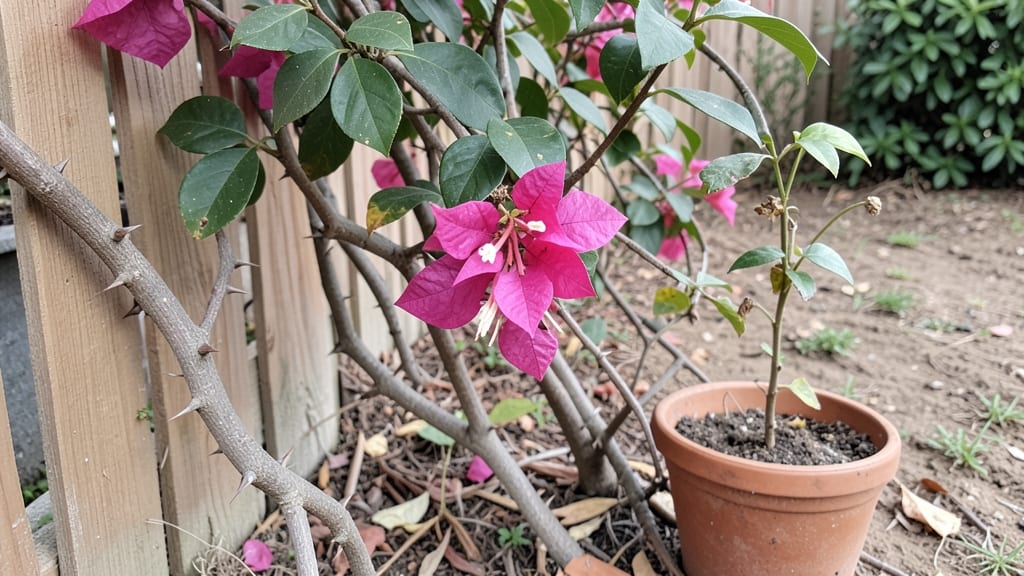
Growing bougainvillea in the right planting zones 🌸 means the difference between a showstopping vine and a sad, struggling shrub.
If you’ve ever dreamed of vibrant magenta, purple, or orange blooms cascading down your trellis or fence, bougainvillea could be your perfect plant—but only if you plant it in the right zones.
These tropical beauties love warmth and thrive in USDA Zones 9-11, where frost is a distant memory. Outside those zones, a little extra care can keep them blooming year-round.
That said, bougainvillea isn’t picky about soil as long as it drains like a dream. The real secret? Sunlight—six hours of it, minimum—and protection from winter’s chill.
Whether you’re in a frost-free paradise or a cooler climate, I’ll show you how to pick the perfect spot, prep the soil, and keep your bougainvillea happy (and blooming) no matter where you live.
Ready to turn your yard into a riot of color? Let’s dive into the zones, care tips, and tricks to grow bougainvillea like a pro—no matter your hardiness zone.
USDA hardiness zones for bougainvillea: where it thrives naturally
Bougainvillea is a tropical beauty that naturally thrives in USDA hardiness zones 9 through 11, where warm winters and hot summers create the perfect environment. These zones cover regions like southern California, Florida, Texas, and Hawaii, where bougainvillea grows vigorously with minimal care. Outside these zones, temperature extremes can stunt growth or even kill the plant, so understanding your local climate is key to success.
In its native zones 9-11, bougainvillea blooms year-round in frost-free areas, producing those stunning magenta, purple, or orange bracts that make it a garden star.
However, even within these zones, heat tolerance limits exist—temperatures above 100°F (38°C) can cause stress, while cold sensitivity becomes a major concern in cooler microclimates or high-altitude areas within these zones.
Here’s how temperature extremes affect bougainvillea growth, dormancy, and survival in its ideal zones:
Heat tolerance: Bougainvillea handles intense sun and high temperatures with ease, but prolonged exposure to 105°F+ (40°C+) can lead to leaf scorch or bud drop. In zone 10-11, afternoon shade during peak summer can prevent stress, especially for young plants still establishing roots.
Cold sensitivity: Even in zone 9, unexpected freezing temperatures below 32°F (0°C) can damage or kill bougainvillea. Coastal areas in zone 9b (e.g., southern California) often have milder winters, while inland zone 9a (e.g., Arizona low deserts) may see occasional frost. Dormancy isn’t natural for bougainvillea—it thrives as a tropical evergreen, so cold snaps are its biggest threat.
Microclimates matter: In zone 9, urban heat islands can push temperatures into zone 10 ranges, while high-altitude areas (e.g., mountain foothills) may dip closer to zone 8 conditions. Always check your specific elevation and microclimate—a sheltered, south-facing wall can add 2-3 zones’ worth of warmth.
🌱
In zone 9, bougainvillea’s dormancy isn’t natural, but it can enter a semi-dormant state during cooler months. This slows growth but doesn’t stop it entirely—unlike true winter dormancy in temperate plants.
If your zone 9 garden sees occasional frost, consider planting near heat-retaining walls or using mulch blankets to insulate roots.
For zone 10-11, the focus shifts to heat management. While bougainvillea loves sun, afternoon shade during 100°F+ (38°C+) days prevents leaf burn. Drip irrigation at the base (not overhead) keeps roots cool and reduces stress.
In coastal zone 11, salt spray can damage foliage, so regular rinsing with fresh water is a must.
Even in ideal zones
How to grow bougainvillea in cooler zones (5-8): container gardening & seasonal care
Growing bougainvillea in USDA zones 5-8 requires extra care, but with the right techniques, you can enjoy its stunning blooms year after year. The key lies in container gardening and strategic seasonal adjustments to protect your plant from frost and cold snaps.
I’ve successfully grown bougainvillea in zone 7 for over five years using these methods, and I’ll share my proven approach with you.
Unlike its native zones 9-11 habitat, bougainvillea in cooler climates needs winter protection, well-draining containers, and careful pruning to thrive. The right container size and insulation materials can make all the difference between a plant that survives winter and one that flourishes year-round.
Let’s dive into the essential steps to cultivate bougainvillea successfully in your cooler zone.
⚠️ callout warning
Bougainvillea cannot tolerate frost—even a single night below 30°F (-1°C) can kill it. In zones 5-8, treat it as an annual or seasonal container plant unless you provide year-round winter protection. Without proper care, your plant will die back to the roots and may not recover.
For container selection, choose pots with drainage holes and a minimum 12-inch diameter to accommodate root growth. Terracotta or fiberglass containers work best because they insulate roots during cold snaps.
I recommend adding a heat mat or insulating wrap around the container during winter to regulate soil temperature. Place your bougainvillea in a south-facing location to maximize winter sunlight exposure.
When it comes to seasonal care, your bougainvillea will need three distinct phases: active growth, dormancy prep, and winter survival. During spring and summer, ensure your plant gets at least 6 hours of direct sunlight daily and water deeply once a week.
In late summer, reduce watering and stop fertilizing to prepare the plant for dormancy. This gradual adjustment helps it harden off before winter.
Pruning is another critical step for container-grown bougainvillea. In early spring, prune back by one-third to encourage new growth and blooms. Remove any dead or weak stems and shape the plant to fit your container.
Avoid heavy pruning in fall, as this can stimulate tender new growth that won’t survive winter. Always use sterilized pruning shears to prevent disease.
Winter protection is where most gardeners struggle, but with the right approach, your bougainvillea can survive and rebound in spring. Wrap the container with bubble wrap or insulating foam and place it near a south-facing wall to absorb heat.
If temperatures drop below 20°F (-6°C), move the container to a garage or sheltered porch where it can stay above freezing. Mulch the soil surface with straw or leaves to retain warmth and reduce moisture loss.
With these techniques, you’ll be rewarded with vibrant blooms come spring, proving that even in cooler zones, bougainvillea can be a showstopper in your garden. The secret lies in adapting care practices to match your climate’s challenges.
Start with a well-draining container, protect it during winter, and prune strategically—your bougainvillea will thank you with season after season of color! 🌸