
Blooming
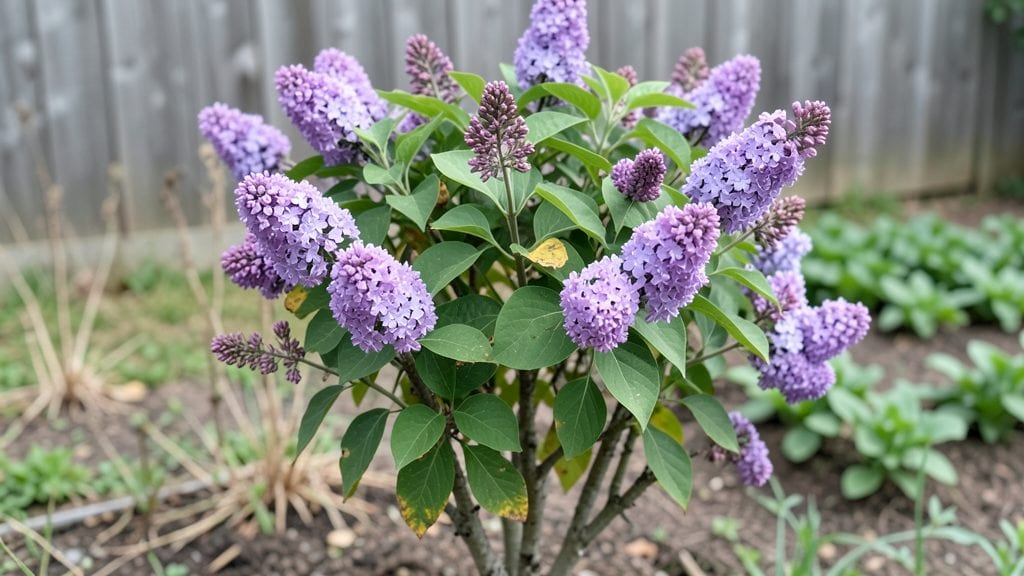
The Bloomerang Lilac plant delivers two seasons of fragrance in one compact shrub, and the secret lies in how you prune it. 🌿 I’ve grown this reblooming variety for years, and the difference between a single spring burst of blooms and summer-to-fall fragrance comes down to timing and technique—no guesswork required.
This lilac thrives in full sun with well-draining soil, but the real magic happens when you prune after each bloom cycle. Most gardeners stop after the first flush of flowers, but Bloomerang lilacs reward patience with a second wave.
Think of it like training a plant to perform twice—once in spring, again in late summer—while keeping its shape neat and full.
By mid-fall, you’ll have a shrub heavy with clusters of purple blooms that fill the air with that classic lilac scent, even when your neighbors’ plants have long since faded.
The key is cutting back just enough to encourage new growth without sacrificing next year’s performance. It’s a balance I’ve perfected over seasons, and the payoff is worth every snip.
Works beautifully in foundation plantings, small gardens, or even large containers. The reblooming habit makes it the standout lilac for anyone tired of one-season shows. Here’s how to keep yours in peak form year after year.
📚 In This Guide
- What you need
- Instructions
- Tips and common mistakes
- Wrapping up and next steps
What you need
- ● Bloomerang Lilac Plant: 1 mature plant (ensure it’s disease-resistant, like Syringa × 'Bloomerang' varieties).
- ● Well-draining soil: 3–5 gallons of a mix of 60% garden soil, 30% compost, and 10% perlite/sand (for aeration).
- ● Pruning tools: 1 pair of bypass pruners (sharp, clean, and disinfected with rubbing alcohol).
- ● 1 pair of loppers (for thicker stems, 1.5–2 inches in diameter).
- ○ 1 hand saw (for stubborn branches, optional but handy).
- ● Fertilizer: 1 lb of balanced, slow-release fertilizer (10-10-10 or 20-20-20 NPK ratio).
- ● Mulch: 2–3 inches of organic mulch (e.g., shredded bark or wood chips).
- ○ Safety gear: Optional but recommended 1 pair of gloves (gardening or cut-resistant).
- ● 1 safety goggles (if sawing thick branches).
- ● Watering supplies: 1 hose with adjustable nozzle or watering can (2–3 gallons capacity).
- ○ 1 moisture meter (optional, to check soil hydration).
- ● Location: Full sun exposure (6+ hours/day).
- ● Protect from strong winds (plant near a fence or wall if needed).
- ● Seasonal timing: Prune in late winter or early spring (before buds swell).
Step-by-step guide to pruning your Bloomerang lilac plant
Here's how to keep your lilac blooming beautifully all season—no mystery, just precision.
✂️ Step 1: Prune Immediately After First Bloom Fades
Once the first flush of blooms finishes, cut back each spent flower stalk to its first set of 5 mature leaves below the bloom. This ensures the plant redirects energy to new growth instead of seeding. Use sharp pruners to make clean cuts at a 45-degree angle just above a leaf node—this prevents water from pooling and rotting the stem.
I always prune on a dry morning when the plant is fully hydrated. If you cut when leaves are wet, the lilac can develop fungal issues. Watch for new buds forming along the stems—these will develop into your second bloom cycle. Never cut into old wood; you'll sacrifice next year's flowers.
✂️ Step 2: Lightly Shape in Late Summer
About 6-8 weeks after the first pruning, give your lilac a light shaping. Remove any weak, crossing, or dead branches first—these compete with healthy growth. Then, trim back any overly long stems by 1/3 of their length to encourage bushiness. Always cut just above a leaf bud pointing in the direction you want growth to continue.
This is where many gardeners go wrong—they prune too heavily. Bloomerang lilacs bloom on new wood, so aggressive cuts now will reduce next year's flowers. Think of this as a maintenance trim, not a major renovation. If you see any stems growing straight up without branching, cut them back to encourage outward growth.
✂️ Step 3: Minimal Winter Pruning for Spring Health
In late winter or early spring, do a final check before new growth starts. Remove any dead, diseased, or damaged wood—these are easy to spot as they're brown or hollow inside. Then, trim back any remaining overgrowth by no more than 1/4 of the plant's height. This keeps the shape open for air circulation and prevents winter damage.
Here's the thing—don't rush this step. Wait until you see green buds starting to swell on the stems before pruning. If you cut too early, you might remove next year's flower buds by mistake. I like to do this in February or March when the weather is still cool but growth is about to begin.
⏰ Step 4: Maintain Through the Blooming Seasons
After each bloom cycle, repeat the first step—cut back to 5 mature leaves below the spent flowers. This keeps the plant producing new blooms instead of putting energy into seeds. For the Bloomerang variety, this means you'll have flowers from late spring through fall if you stay consistent. Fertilize lightly with balanced 10-10-10 after each pruning to support the new growth.
Watch for any stems that become leggy or woody—they won't produce as many flowers. These are your cues to trim them back harder in the next cycle. Mulch around the base with 2-3 inches of organic mulch to protect roots and retain moisture. The key is regular, light pruning—not waiting until the plant looks unruly.
Tips & tricks for pruning your Bloomerang lilac plant
Keeping your lilac blooming all season takes a few key tricks—here's how to avoid common mistakes and get the most out of your plant.
Tool Prep Matters: Always disinfect your pruners with rubbing alcohol between cuts to prevent spreading disease. I learned this the hard way after losing a few branches to fungal infections. Sharp, clean tools make precise cuts that heal faster and reduce stress on the plant. Store your pruners in a dry place after each use to prevent rust that can dull the blades over time.
Step 1 Timing Secret: The 5 mature leaves rule in Step 1 is non-negotiable—this ensures you're cutting at the right spot to encourage new growth. Count leaves from the base upward to find that first set of mature leaves below the spent bloom. If you cut too high (into old wood), you'll sacrifice next year's flowers. I mark my pruning spots with a piece of tape before cutting to avoid mistakes.
Late Summer Shaping Strategy: When you're trimming back those overly long stems by 1/3 in Step 2, focus on creating an open center. This improves air circulation, which prevents fungal diseases that can ruin your blooms. I like to step back and visualize the plant's shape from all sides—this helps me trim evenly and maintain that natural, bushy form. Never remove more than 1/3 of any stem's length in this step.
Winter Pruning Rescue: If you accidentally cut too early in Step 3 and removed some flower buds, don't panic. The Bloomerang variety is forgiving—just be extra careful in your next pruning cycle. I always do a final check in late February, looking for those green buds starting to swell. This visual cue tells me exactly when it's safe to prune without damaging next year's blooms.
Pro Tips for Bloomerang Lilac Plant
- Keeping your lilac blooming all season takes a few key tricks—here's how to avoid common mistakes and get the most out of your plant.
- Tool Prep Matters: Always disinfect your pruners with rubbing alcohol between cuts to prevent spreading disease.
- Step 1 Timing Secret: The 5 mature leaves rule in Step 1 is non-negotiable—this ensures you're cutting at the right spot to encourage new growth.
Frequently asked questions
Got questions about your Bloomerang Lilac? You’re not alone!
Here are answers to the most common queries to help you keep this fragrant beauty thriving year-round.
What’s the best time of year to prune a Bloomerang Lilac?
Prune your Bloomerang Lilac immediately after it finishes blooming in late spring or early summer. This ensures you don’t cut off next year’s flowers while keeping the plant tidy. Avoid pruning in fall or winter, as it can stimulate late-season growth vulnerable to frost damage.
How much can I trim back my Bloomerang Lilac?
For a Bloomerang Lilac, aim to remove no more than one-third of the plant’s growth per year. Focus on dead, crossing, or overcrowded branches. Heavy pruning (like rejuvenation cuts) is rarely needed—this variety is designed to bloom prolifically with minimal intervention!
Why isn’t my Bloomerang Lilac flowering this year?
Lack of flowers often stems from over-pruning in late winter (when buds form) or poor sunlight. Ensure it gets 6+ hours of sun daily and prune only after blooming. If the plant is young, give it patience—it may take 2–3 years to reach full flowering potential.
Can I grow a Bloomerang Lilac in a container?
A Bloomerang Lilac thrives in containers with well-draining soil and a 15–20 gallon pot for mature plants. Use a mix of potting soil and compost, and repot every 2–3 years. Just remember: container-grown lilacs need regular watering and winter protection in cold climates.
What pests or diseases should I watch for?
Common issues include aphids (sap-sucking pests), borers (tunnel into branches), and powdery mildew (white fungal coating). Treat aphids with soapy water; remove infested branches for borers. For mildew, improve air circulation and apply fungicide if needed. Bloomerang Lilacs are generally hardy but benefit from proactive care!
Wrapping up and next steps
The Bloomerang Lilac isn’t just a plant—it’s a fragrant, year-round masterpiece waiting to unfold with the right care! By mastering pruning precision, you’ll unlock lush blooms, vibrant foliage, and that intoxicating scent that lasts well beyond spring.
Whether you’re a seasoned gardener or just starting, this lilac’s resilience and beauty make it a rewarding addition to any yard.
Ready to transform your garden? Grab your pruners, mark your calendar for late winter/early spring, and start shaping your Bloomerang Lilac today! 🌸✂️ Your fragrant oasis is just a cut away.