Pruning
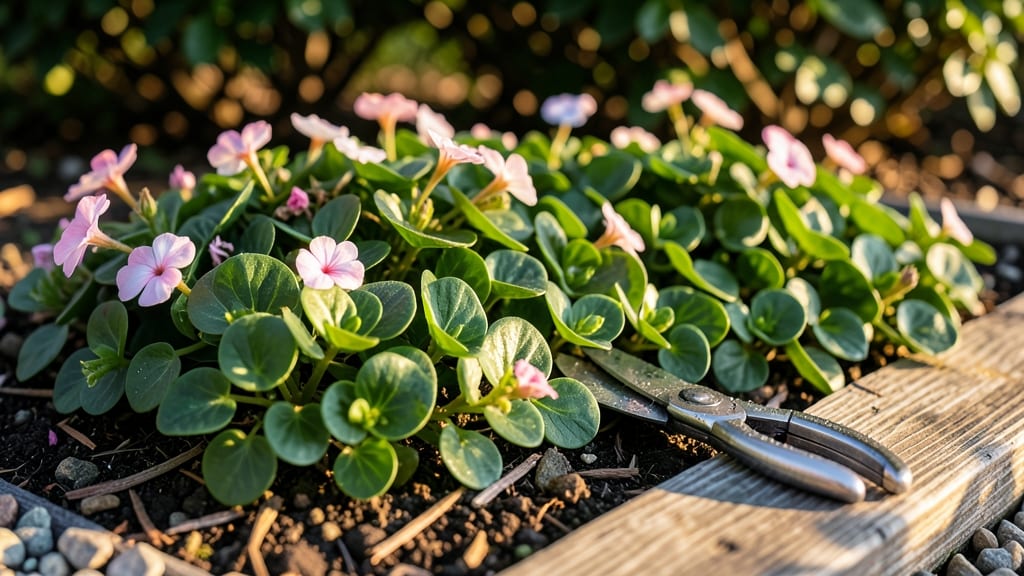
Pruning vinca plants keeps them blooming like crazy all season long. ✨ I learned the hard way that skipping this step leads to leggy, sparse plants with fewer flowers—until I discovered the 3-trim system that transforms them into dense, flowering powerhouses.
The key is timing: first trim right after spring frost, then again in early summer, and a final light cut in late summer. You’ll need sharp bypass pruners and a pair of gloves—no need for fancy tools, just clean cuts.
The goal is to shape the plant while encouraging new growth from the base, not just the tips.
After just one season of this method, my vincas went from scraggly to bursting with vibrant purple blooms from May through October. The plants stay compact, resist powdery mildew better, and produce more flowers than they ever did before. It’s the secret weapon for keeping vincas looking fresh all year.
Works for both ground covers and container vincas, and the same principles apply whether you’re dealing with Vinca minor or the larger Vinca major varieties. Let’s get those shears ready—your vincas will thank you!
📚 In This Guide
- What you need
- Instructions
- Tips and common mistakes
- Wrapping up and next steps
What you need
- ● Sharp bypass pruners – Must be clean and sterilized (alcohol wipes work) to prevent disease. Choose 5-inch blades for medium-sized stems.
- ● Hand pruners or shears – For delicate trims (e.g., Vinca minor), opt for ergonomic, bypass-style pruners with a 4-inch blade.
- ● Gloves – Nitrile or leather (thick enough to protect from thorns on Vinca major varieties).
- ● Disinfectant solution – 70% isopropyl alcohol or a 10% bleach-water mix (1 part bleach to 9 parts water) to sterilize tools between cuts.
- ● Garden twine or plant ties – 10-15 feet (for securing large stems post-pruning if needed).
- ● Compost bin or bag – For clippings (avoid leaving them near the plant to prevent pests).
- ● Long-handled loppers – If your Vinca is a sprawling shrub (e.g., Vinca major), 8-inch loppers make reaching higher branches easier.
- ● Horticultural oil – Apply to pruners if rust is a concern (use 2-3 sprays and let dry).
- ○ Plant growth regulator – Optional for post-pruning (e.g., Paclobutrazol) to encourage bushier growth (follow label instructions).
- ● Pruning saw – Only for thick, woody stems (rare in Vinca, but useful for mature Vinca major shrubs).
- ● Spray bottle with water – Keeps tools clean and prevents sap buildup.
Step-by-Step guide for pruning vinca plants
Three simple cuts keep vincas blooming like clockwork—here's how I do it.
✂️ Step 1: Early Spring Cleanup (February-March)
Start by removing any dead or damaged stems down to the base. Vincas are tough, but they won’t bloom well if they’re carrying last year’s deadwood. I like to grab a pair of clean, sharp pruners and make my first pass—anything brown, mushy, or crossing another stem gets cut. This is also when you shape the plant’s overall form, so I trim back any leggy growth by about one-third to encourage bushier, fuller growth.
Watch for new buds forming at the base of stems—these are your signal that the plant is waking up. If you see pale green growth starting, that’s your cue to stop cutting back. The goal here is to stimulate fresh, vigorous shoots while keeping the plant’s energy focused on new blooms, not repairing old damage.
✂️ Step 2: Mid-Season Deadheading (May-July)
As flowers fade, they turn into seed pods that drain energy from new blooms. I deadhead vincas by snipping off spent blooms just above a set of leaves—this encourages the plant to redirect its energy into producing more flowers instead of seeds. Use clean pruners and make cuts at a 45-degree angle to prevent water from pooling on the stem, which can cause rot.
Here’s the thing—I don’t wait until the flowers are completely brown. As soon as I see half the petals drop, I trim them off. This keeps the plant looking neat and ensures a steady stream of new blooms. If you let too many flowers go to seed, you’ll end up with fewer vibrant blossoms later in the season.
✂️ Step 3: Late Summer to Early Fall Renewal (August-September)
By late summer, vincas often look a little tired after their first big bloom cycle. This is the time to give them a light trim to refresh their shape and encourage one last flush of flowers before winter. I cut back the longest stems by about one-quarter, focusing on any that are stretching or looking sparse. Avoid heavy pruning now—you don’t want to stimulate new growth that won’t have time to harden off before cold weather.
Look for new growth at the tips of stems—this is your sign that the plant is responding well. If you see fresh, dark green leaves emerging, you’re on the right track. This final trim also helps the plant prepare for winter by removing any weak or diseased stems that could harbor pests or diseases over the colder months.
⏰ Step 4: Winter Maintenance (October-November)
Vincas are evergreen in many climates, but they still benefit from a light tidy-up in late fall. Remove any dead or yellowing leaves by cutting them off at the base. This keeps the plant looking neat and reduces the risk of fungal issues over winter. I avoid heavy pruning now—just a light cleanup to let the plant rest without stress.
If your vincas are in a pot, this is also a good time to check for any stems that are growing outward instead of upward. A quick trim to encourage a more compact shape ensures they’ll look their best when spring rolls around. The goal here is minimal intervention—just enough to keep the plant healthy without disturbing its natural dormancy.
Tips & tricks for perfect vinca pruning
A few precision techniques will transform your vincas from lackluster to showstopping year after year.
Tool Selection: Invest in a pair of bypass pruners with sharp, clean blades—dull tools crush stems instead of making clean cuts. I sterilize mine between plants by wiping with rubbing alcohol to prevent disease spread. For larger branches, grab a pair of loppers with a bypass blade too. Never use hedge clippers, as they tear stems and create jagged edges that invite pests.
Seasonal Timing Secret: The key to vinca success is working with nature's cycles, not against them. In Step 1 (February-March), prune when you see those pale green buds forming—this is your plant's natural signal to wake up. For Step 3 (August-September), wait until you spot fresh dark green growth at stem tips before trimming. This timing ensures you're always cutting at the optimal moment for regrowth, not too early or too late in the season.
Pruning Angle Wisdom: That 45-degree angle in Step 2 isn't just for looks—it's a water management technique. When you make cuts at this angle, rainwater runs off the stem instead of pooling in the cut, which dramatically reduces the risk of rot. For all cuts, make them just above a leaf node or bud where new growth can emerge. I like to visualize where the next set of leaves will form before making my cut.
Post-Pruning Care: After any significant pruning (especially Steps 1 and 3), give your vincas a light application of balanced fertilizer (10-10-10 works well) within 24 hours. The plant will need nutrients to support all that new growth you've just stimulated. Water deeply after pruning too—this helps the plant recover faster and prevents shock. For container vincas, I also check drainage holes after pruning to ensure water can escape properly.
Pro Tips for Pruning Vinca Plants
- A few precision techniques will transform your vincas from lackluster to showstopping year after year.
- Tool Selection: Invest in a pair of bypass pruners with sharp, clean blades—dull tools crush stems instead of making ...
- Seasonal Timing Secret: The key to vinca success is working with nature's cycles, not against them. In Step 1 (Februa...
Frequently asked questions
Got questions about pruning vinca plants?
Here are answers to the most common ones to help you keep your vinca thriving all year round!
When is the best time to prune vinca plants for maximum blooms?
The ideal times are early spring (just as new growth starts) and after each major bloom cycle (late spring/early summer and again in fall). Light trims can be done year-round, but avoid heavy pruning in winter unless necessary—vinca is semi-evergreen and can handle light cuts even then!
How do I know if my vinca needs pruning?
Watch for these signs: overcrowded stems, leggy growth, or fewer blooms. If your vinca looks woody, bare at the bottom, or overly bushy, it’s time for a trim. A healthy vinca should have 4-6 inches of new growth after pruning to encourage fresh blooms and foliage.
Can I prune vinca too much? What happens if I overdo it?
Yes! Over-pruning (cutting back more than 1/3 of the plant at once) can stress vinca, leading to stunted growth or fewer flowers. Always leave some healthy stems and foliage—think of it like giving your vinca a haircut, not a buzz cut! If you’ve already over-pruned, don’t worry; vinca is resilient and will bounce back with proper care.
What should I do with the cuttings after pruning?
Vinca cuttings root easily! Place them in water or moist potting soil and keep them in bright, indirect light. In a few weeks, you’ll have new vinca plants ready to transplant or share with gardening friends. Just avoid direct sunlight until roots form—it can scorch tender cuttings!
My vinca leaves look yellow or spotted after pruning. Is this normal?
Not always! Yellowing can signal overwatering, fungal issues (like powdery mildew), or pests. If spots appear, remove affected leaves and treat with neem oil or fungicide. Pruning itself shouldn’t cause this—it’s usually a sign of stress from poor drainage, pests, or disease. Adjust watering habits and inspect for bugs like aphids or spider mites.
Wrapping up and next steps
Pruning your vinca plants doesn’t have to be intimidating—just a little precision and timing can transform them into lush, blooming stars! 🌟 By mastering the early spring clean-up, mid-summer shape-up, and late-season renewal, you’ll encourage vibrant growth and year-round color.
Remember, vincas thrive on confidence, so grab those shears and give them the care they deserve.
Ready to see the results? Start with one plant today—your garden (and your vincas!) will thank you. Happy pruning! ✂️🌿