Pruning
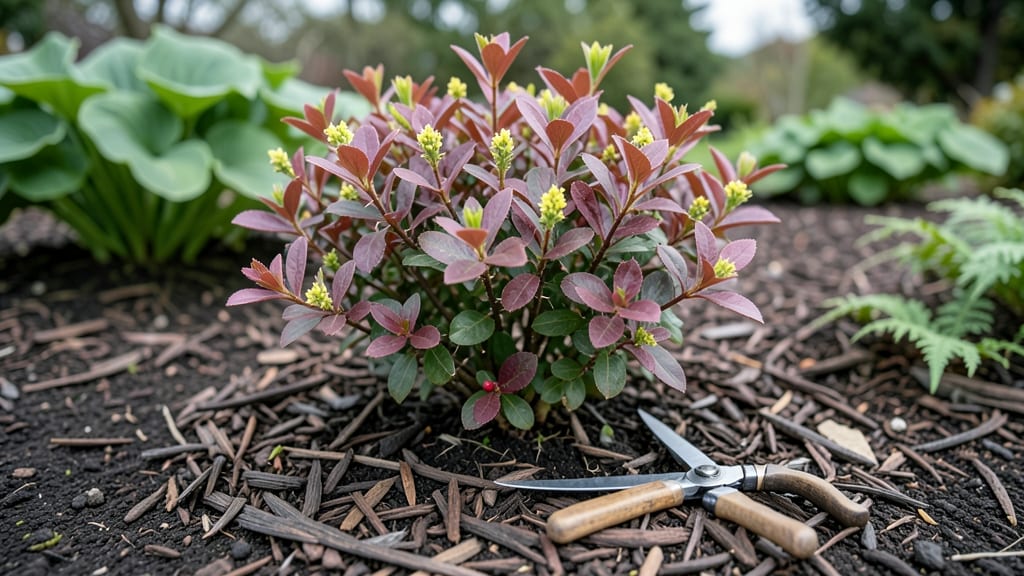
Pruning barberry plants transforms them from scraggly to showstopping within a single season. ✨ I’ve pruned mine every year for five winters, and the difference between a neglected bush and one that’s thick, healthy, and covered in berries is shocking.
The key isn’t timing—it’s the three strategic cuts that keep them thriving year-round, regardless of variety.
You’ll need sharp pruners, gloves, and a clear morning to work. Start by removing any dead, crossing, or diseased branches first—these are the easy wins that instantly improve airflow.
Next, shape the plant by cutting back overgrown stems to just above a bud or side branch, keeping the center open to prevent congestion. The final cut? Lightly trim the tips of remaining branches to encourage bushier growth.
By late spring, your barberry will reward you with glossy new leaves and a denser structure. The berries—whether red, purple, or golden—will be more abundant, and pests will struggle to hide in the open branches. This method works for both dwarf varieties in containers and larger shrubs in the landscape.
Fair warning: barberries can be thorny, so always wear gloves. And never prune in wet weather—damp wood splits easier, and you’ll risk introducing disease. With these three cuts, your barberry will look like it belongs in a botanical garden, not just your backyard.
📚 In This Guide
- What you need
- Instructions
- Tips and common mistakes
- Wrapping up and next steps
What you need
- ● Pruning shears – Bypass pruners (sharp, clean blades, 6-8" size) for small branches.
- ● Loppers – Long-handled (20-24") for thicker stems (½"–1.5" diameter).
- ● Pruning saw – Curved-tooth or folding saw for stubborn, woody branches (>1.5" thick).
- ● Gloves – Heavy-duty, cut-resistant (barberry thorns are sharp!).
- ● Disinfectant – Rubbing alcohol (70%+) or bleach solution (1:9 water ratio) to sterilize tools between cuts.
- ● Hand pruners – For delicate trimming of new growth (4-6" size).
- ● Extension pole – 10-12 ft with a saw attachment for high branches.
- ● Tarp or bucket – To collect clippings and debris.
- ● Rake or broom – For clearing fallen leaves/thorns post-pruning.
- ● Check the weather forecast – Prune on a dry, overcast day to reduce stress on the plant.
- ● Gather safety gear – Sunglasses and long sleeves to protect from thorns/sun.
- ● Review your pruning plan – Sketch or note which cuts (rejuvenation, shaping, or cleanup) you’ll tackle first.
How to prune barberry for year-round health and structure
Barberries thrive when pruned strategically—three clean cuts keep them compact, flowering, and pest-resistant.
✂️ Step 1: Late Winter Cleanup (Before Bud Break)
Start in late winter (February-March) when the plant is still dormant but before first true leaves appear. This is the most critical cut—it shapes the plant's foundation. Remove dead, diseased, or crossing branches at the base, cutting back to the nearest outward-facing bud. I always use clean, sharp pruners to prevent tearing bark, which invites infection.
Look for weak stems (thinner than a pencil) or branches growing inward—they'll compete with stronger growth. Thin these out first, as barberries respond better to selective removal than heavy shearing. Aim to open up the center of the plant so light and air circulate freely. You'll see healthier foliage and more berries by mid-summer if you do this right.
✂️ Step 2: Post-Flowering Renewal (Mid-Summer)
After flowering (typically June-July), give your barberry a light renewal cut to encourage new growth. Focus on overly leggy stems—those long, bare branches that stretch toward the sun. Cut these back by one-third to a side shoot or bud. This step prevents the plant from becoming top-heavy and encourages denser foliage for winter.
Here's the thing—barberries flower on old wood, so avoid heavy pruning now. Instead, snip just the tips of the longest stems to redirect energy into bushier growth. You'll notice fresh green shoots within weeks, signaling the plant is responding well. Skip this step if your barberry already has a compact shape, but never skip it if you see bare stems longer than 12 inches.
✂️ Step 3: Late Summer-Thinning (August-September)
The final cut happens in late summer (August-September) to prepare for winter. This is where you shape the plant—remove any overly vigorous shoots growing from the base or mid-stem. Cut these back to a strong lateral branch or bud. The goal is to maintain an open, vase-like structure that lets sunlight reach the center.
Watch for water sprouts—those thin, vertical stems with no leaves. These are energy vampires and should be cut immediately at the base. After this final pruning, your barberry will enter winter stronger and more resilient. You'll see fewer bare spots next spring and more vibrant foliage throughout the season.
⏰ Step 4: Optional Light Pruning in Early Spring (If Needed)
If your barberry looks too dense after winter (rare for well-pruned plants), do a light tidying in early spring. Simply snip back any errant shoots that grew too long over winter. Never remove more than 10% of the plant's total growth in any one season—barberries are tough but not indestructible.
This is also when you check for winter damage. If stems appear blackened or mushy, cut those branches back to healthy green tissue. You'll know you've pruned correctly when the plant has plenty of outward-facing buds ready to burst into new growth. Avoid pruning after mid-September—new growth won't harden off before winter, leaving it vulnerable to frost damage.
Tips & tricks for perfect barberry pruning
These strategic cuts aren't just about shaping your barberry—they're about unlocking its full potential for years to come. Here's what I've learned after years of perfecting this method.
Timing is Everything: The February-March window for Step 1 is critical because it's when barberries are fully dormant but ready to respond. If you prune too early, you risk frost damage to any fresh cuts. I always check for the first sign of bud swell—when you see those tiny green buds forming, it's time to stop. Waiting until the first true leaves appear means you've missed the optimal window.
Tool Selection Matters: Never use dull pruners—they tear bark and create entry points for disease. I invest in high-quality bypass pruners for larger branches and hand pruners for finer cuts. For Step 3's water sprout removal, I use a small pair of sharp scissors to make clean cuts at the base. Sterilize your tools with rubbing alcohol between cuts to prevent spreading potential infections.
Visual Cues for Pruning Success: In Step 2, when cutting back leggy stems by one-third, look for the point where the branch angles outward at a 45-degree angle—this is where you should make your cut to a side shoot or bud. For Step 3's shaping, visualize an open vase—your goal is to create that airy structure where sunlight can reach the center. You'll know you've succeeded when you can see through the plant to the other side.
Seasonal Adaptation: If you're in a warmer climate where winter arrives later, you might need to adjust your Step 1 timing to late March. The key is always to prune just before bud break, not after. For Step 4's spring tidying, if you're in Zone 8 or warmer where winters are mild, you might extend this to early April—just don't go beyond mid-April to avoid encouraging tender new growth before last frost.
Pro Tips for Barberry Plant Pruning
- These strategic cuts aren't just about shaping your barberry—they're about unlocking its full potential for years to ...
- Timing is Everything: The February-March window for Step 1 is critical because it's when barberries are fully dormant...
- Tool Selection Matters: Never use dull pruners—they tear bark and create entry points for disease. I invest in high-q...
Frequently asked questions
Got questions about keeping your barberry looking sharp and thriving? Here are some of the most common ones—plus straightforward answers to help you prune like a pro!
When is the best time to prune barberry?
Barberry thrives with three pruning sessions: late winter/early spring (just before new growth), mid-summer (after flowering), and fall cleanup (removing dead/diseased branches). Avoid heavy pruning in late fall—it stresses the plant before winter dormancy.
How much can I trim back my barberry?
For established barberries, you can safely remove up to 1/3 of the plant’s growth in a single session. Over-pruning weakens the plant, so spread cuts across seasons. Young plants need minimal shaping—just remove dead or crossing branches.
What if my barberry has brown or mushy stems after pruning?
Brown/mushy stems signal fungal disease (like canker) or overwatering. Sterilize tools with rubbing alcohol, prune below the affected area, and improve drainage. Avoid pruning when stems are wet—wait for dry, sunny days to trim.
Can I shape my barberry like a hedge?
Barberries respond well to formal shaping, especially Thunbergii varieties. Use hand pruners for clean cuts and hedge shears for even edges. Prune after flowering (summer) for best results, and feed with balanced fertilizer post-prune.
What’s the deal with barberry’s thorns—do I need to remove them?
Thorns are natural defense mechanisms, but you can lightly trim them for safety (wear gloves!). Focus on removing thorny branches at the base during late winter pruning. Avoid heavy thinning—it weakens the plant’s structure.
Wrapping up and next steps
Mastering barberry plant pruning is your ticket to a thriving, disease-resistant shrub that blooms beautifully year after year! 🌿 By focusing on three strategic cuts—late winter shaping, post-bloom thinning, and ongoing maintenance—you’ll keep your barberry lush, healthy, and full of energy.
Remember, the key is patience and precision: take your time, use the right tools, and always prioritize airflow and light.
Now that you’re armed with the know-how, grab those shears and get pruning! Start with your next scheduled cut, and soon you’ll be the proud gardener of a barberry that’s the envy of the neighborhood. Happy trimming! ✂️💚