
Watering
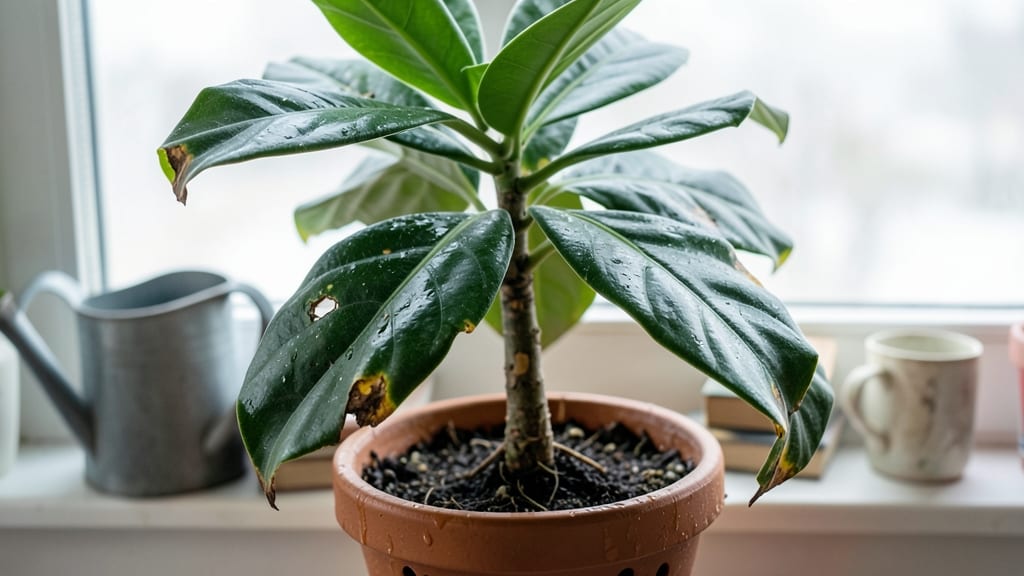
Even an accidentally overwatered plant can bounce back—here’s how I’ve saved the most drowned-looking greens in just 24 hours. The first time this happened to my ferns, I panicked, thinking they were gone forever.
Turns out, the fix is simpler than you’d expect: stop watering, check the roots, and give the plant a chance to breathe.
Here’s the thing—most plants don’t need daily watering, even if they look thirsty. I learned this the hard way after drowning my succulents and watching them turn to mush. The key is soil moisture: stick your finger an inch deep, and if it’s damp, hold off.
For ferns and tropical plants, let the top inch dry out between waterings, while succulents need weeks between drinks. Adjusting your routine now saves you from future heartbreak.
Within 24 hours, you’ll see the droop easing as the roots recover. Yellow leaves might still fall, but new growth will start within days. The secret? Less water, more air around the roots.
If you’ve got a pot with drainage holes, empty the saucer after watering—stagnant water is the real enemy. For severe cases, repotting into fresh, well-draining soil can work wonders.
This works for everything from houseplants to backyard perennials. The same rules apply whether you’re dealing with a wilting peace lily or a soggy tomato plant. Once you master the rhythm, your plants will thrive—not just survive. Let’s get those leaves perky again!
Why it happens
Even the greenest thumbs can accidentally drown their plants—it happens! Overwatering isn’t always about neglect; sometimes, it’s a mix of well-meaning habits, environmental quirks, and plant biology. Let’s break down the real reasons your plant might be getting too much love (and too little air).
Not all soils are created equal, and neither are their drainage needs. Plants thrive when their roots have access to oxygen, which gets squeezed out when soil stays soggy. Here’s why drainage fails:
- Compacted soil: Tight, clay-heavy, or heavily amended soils trap water like a sponge. Roots suffocate because water can’t escape, leading to anaerobic conditions (yes, your plant is basically drowning in its own wet blanket). Fix: Mix in perlite, pumice, or coarse sand to create air pockets.
- No drainage holes: Pots without exit points turn into water prisons. Even "self-watering" pots can back up if not monitored. Fix: Always use containers with drainage holes—and elevate them on saucers (not trays filled with standing water).
- Over-potting with soil: Adding fresh soil on top of old, compacted layers creates a "moisture trap" near the roots. Fix: Refresh the top 2 inches of soil annually or repot if drainage is poor.
Sticking to a rigid watering calendar is a fast track to overwatering. Plants don’t follow your routine—they respond to environmental cues. Here’s why timing backfires:
- Humidity fluctuations: High humidity slows evaporation, keeping soil wet longer. A plant in a steamy bathroom may need water half as often as one in a dry living room. Fix: Stick your finger 1–2 inches into the soil; if it’s damp, wait.
- Seasonal slowdowns: Winter means less light = slower growth = less water needed. Yet many people water as much as summer. Fix: Reduce watering by 30–50% in cooler months.
- New pots = thirst traps: Fresh potting mix holds moisture tightly at first. Overwatering in the first few weeks can lead to root rot before roots establish. Fix: Water lightly for the first 2 weeks, then adjust.
Not all plants are drama queens—some are extremely sensitive to excess water. Misjudging a plant’s tolerance can turn your green thumb into a soggy mess. Here’s how to avoid it:
| Plant Type | Why They’re Tricky | Overwatering Red Flags |
|---|---|---|
| Succulents/Cacti | Evolved to store water; roots rot in just 48 hours of soggy soil. | Mushy stems, blackened bases, or leaves falling off. |
| Tropicals (e.g., ferns, calatheas) | Love humidity but hate waterlogged roots. | Yellowing leaves, brown crispy edges, or a foul smell. |
| Bulbs (e.g., amaryllis, lilies) | Store nutrients in bulbs; excess water causes rot inside the bulb. | Soft, mushy bulbs or stems that collapse easily. |
Fix: Research your plant’s native habitat. Desert plants? Water sparingly. Rainforest plants? Keep soil evenly moist but never soggy.
Your home’s microclimate can turn a "light waterer" into a plant murderer. These often-overlooked factors sneak up on growers:
- Artificial heat sources: Space heaters, radiators, or even sunny south-facing windows dry out soil faster—but if you’re compensating by watering more, you might be overdoing it. Fix: Monitor soil moisture closely near heat sources.
- Grouped plants: Plants clustered together create a mini greenhouse, trapping moisture. Fix: Space them out and water individually.
- Tap water chemistry: Hard water (high in minerals) or chlorinated water can alter soil structure, making it hold water longer. Fix: Use filtered or distilled water if your tap is heavy in minerals.
💡 Pro Tip: If you’re consistently overwatering, try the "lift-and-check" method: Pick up the pot—if it feels heavy, wait. If it’s light, water. Weight = moisture levels!
Revive Your Plant Fast
When your plant looks like it’s drowning—yellow leaves, mushy stems, or soil that smells funky—don’t panic! Here’s how to drain the excess water and reset your plant’s health based on the root cause of the problem.
Problem: Waterlogged soil cuts off oxygen, suffocating roots and causing rot.
Fix It Fast:
- 🔥 Stop Watering Immediately
- No more H₂O until the soil dries out. Overwatering is a habit—break it now!
- 🍳 Drain the Excess Water - Gently remove the plant from its pot and tip it upside down over a sink or tray. Let gravity do the work for 5–10 minutes. - If the roots are soft, black, or mushy, they’re rotting.
Trim them with sterilized scissors (dip in rubbing alcohol) to healthy tissue.
- 👨🍳 Repot in Fresh, Dry Soil
- Choose a well-draining potting mix (add perlite or sand if yours is too dense).
- Use a clean pot with drainage holes—no exceptions! If yours lacks them, drill a few.
- ⏰ Wait Before Watering Again
- Stick your finger 1–2 inches deep into the soil. Water only when it’s bone-dry (usually 3–7 days later).
💡 Prevention Tip:
- Upgrade your pot to one with larger drainage holes or a cache pot (a decorative outer pot with a tray to catch runoff).
- Water only when the top inch of soil is dry—use your finger as a moisture meter!
Problem: Overwatering stressed the plant, but roots are still intact.
Fix It Fast:
- 🔪 Prune the Damage
- Snip off yellow, brown, or mushy leaves with clean scissors. This helps the plant focus energy on recovery.
- 🌡️ Improve Airflow & Light
- Move your plant to a bright, indirect spot (no harsh sun yet—it’s still weak).
- If humidity is high (like a bathroom), use a small fan on low to dry leaves faster.
- 🥗 Adjust Your Watering Routine
- Water less frequently—most houseplants thrive on drought-like conditions between waterings.
- Bottom-water instead of top-watering: Place the pot in a tray of water for 10–15 minutes, then drain excess.
💡 Prevention Tip:
- Group plants together—they create a microclimate with better humidity control.
- Use a moisture meter ($10 on Amazon) to avoid guessing. No more "just in case" waterings!
Problem: Excess moisture invites root rot, powdery mildew, or bacterial infections.
Fix It Fast:
- ✨ Sterilize the Pot & Tools
- Scrub the pot with 1 part bleach to 9 parts water, then rinse well.
- Wipe pruning tools with rubbing alcohol.
- 🍎 Treat with Fungicide (If Needed)
- For mild cases, spray leaves with neem oil (1 tsp per cup of water) or hydrogen peroxide (3%) (1 part peroxide to 3 parts water).
- For severe rot, repot in sterilized soil and treat with a fungicide like Mycorrhizal powder.
- 🌿 Quarantine the Plant
- Keep it separate from other plants until fully recovered to prevent spread.
💡 Prevention Tip:
- Avoid wetting leaves when watering—use a watering can with a long spout to target soil only.
- Rotate your plant weekly so all sides get even light (prevents uneven growth and moisture buildup).
⏳ Recovery Timeline:
- Mild overwatering: 3–7 days to see improvement.
- Root rot (trimmed): 2–4 weeks for new growth.
- Fungal issues: 1–2 weeks with treatment.
🎯 Pro Tip: Keep a plant care journal—note when you water, repot, and prune. You’ll spot patterns before they become disasters!
Frequently asked questions
How do I know if my plant is overwatered vs. underwatered?
Check the soil and leaves: Overwatered plants have yellow, mushy leaves that fall easily, soft black roots, and soil that smells sour or rotten. Underwatered plants have crispy brown edges, dry soil pulling away from pot edges, and a wilted but firm stem. Stick your finger in the soil—if it's damp below 1 inch, you're likely overwatering.
Can I save a plant with root rot from overwatering?
Yes, but act fast! Trim away black, mushy roots with sterilized scissors, repot in fresh, well-draining soil, and hold off on watering for 5-7 days. For severe cases, add fungicide like neem oil or hydrogen peroxide to the soil. Place the plant in bright, indirect light and avoid wetting leaves during recovery.
Why does my plant need less water in winter?
Plants grow slower in winter due to reduced light, so they need 30-50% less water. Cooler air also slows evaporation, keeping soil moist longer. Check soil moisture with your finger—if the top 2 inches stay damp for more than a week, you're overwatering. Most houseplants thrive on drought-like conditions in winter.
Is it better to underwater than overwater plants?
Not always! While overwatering causes root rot, underwatering stresses plants and weakens them against pests. The key is consistency: most plants prefer even moisture rather than extremes. Use a moisture meter or the finger test to find your plant's sweet spot—water when the top 1-2 inches feel dry.
How often should I water my succulents after overwatering?
Let the soil completely dry out between waterings—this could mean 2-4 weeks in winter or 1-2 weeks in summer. Check by sticking your finger 2 inches deep: if it's dry, water thoroughly until it drains from the bottom. Use a pot with drainage holes and a gritty soil mix (60% soil, 40% perlite/sand).