
Planting
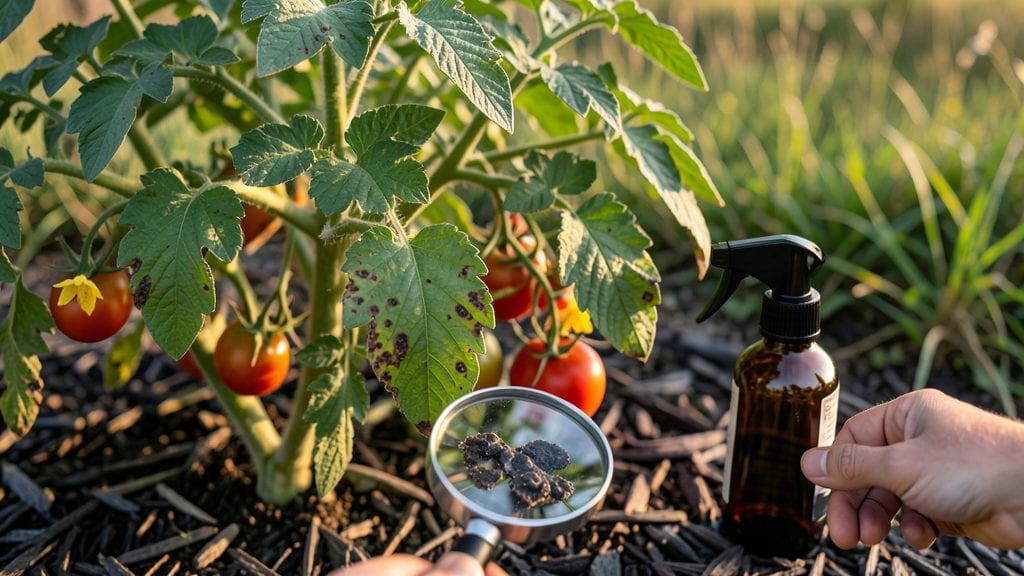
Tomato plants can be toxic to humans, especially when consuming large amounts of green parts like leaves, stems, and unripe fruit, which contain solanine and other harmful alkaloids. Only fully ripe red tomatoes are generally safe in moderation, though even they should be eaten in reasonable portions.
Understanding which parts of a tomato plant are dangerous is crucial for gardeners and home cooks alike. 🌱 The green parts—leaves, stems, and unripe fruit—contain solanine, a compound that can cause nausea, vomiting, and even neurological issues if consumed in large quantities.
Even ripe tomatoes contain small amounts, but cooking them reduces solanine levels significantly. Many people mistakenly assume all parts are safe, but the foliage and green fruit should never be eaten raw or cooked in excess.
When dealing with tomato plants, always compost or dispose of green parts properly to avoid accidental ingestion by pets or children. The ripe fruit, however, is a nutritional powerhouse when prepared correctly—just be mindful of portion sizes and avoid the plant's non-fruit components entirely.
💡 In This Article
- Toxic Compounds in Tomato Plants and Their Effects
- Safe Consumption Practices for Tomato Plant Parts
Toxic compounds in tomato plants and their effects
The green parts of tomato plants contain two primary toxins: solanine and tomatine, both belonging to the glycoalkaloid family. Solanine levels can reach 0.05-0.1 mg per gram in green tomato leaves, while ripe fruit contains only trace amounts (0.001 mg/g).
These compounds act as natural defenses against pests and pathogens, making them bitter and toxic to humans when consumed in significant quantities.
Solanine works by binding to acetylcholine receptors in the nervous system, causing symptoms like nausea, vomiting, and diarrhea within 6-24 hours of ingestion. Severe cases may lead to neurological effects such as confusion or hallucinations, though fatalities are rare.
Tomatine, found primarily in green fruit and foliage, has a similar mechanism but is 5-10 times more potent than solanine. 🌱 For context, eating 500g of green tomato leaves could trigger symptoms in an average adult.
Ripening dramatically reduces these compounds because solanine breaks down during the fruit's maturation process. A green tomato may contain 10-20 times more solanine than its ripe counterpart. The transformation from green to red is driven by ethylene gas, which triggers enzymatic reactions that degrade glycoalkaloids.
This is why fully ripe tomatoes are safe in moderation—though even they should be consumed with caution by sensitive individuals.
Tomato plants belong to the nightshade family (Solanaceae), which includes other toxic plants like potatoes and eggplants. Unlike tomatoes, these relatives typically retain higher toxin levels even when mature. For example, a raw potato's skin contains 2-5 mg/g of solanine, making it far more dangerous than green tomatoes.
The key difference lies in cultivation and selection—tomatoes have been bred to concentrate nutrients in the fruit while minimizing toxins.
Cooking further reduces solanine levels by 30-50%, but it doesn't eliminate the risk entirely. The heat breaks down some compounds, but the bitter taste remains a reliable indicator of toxicity.
If you're gardening, always wear gloves when handling green parts and compost them separately to prevent accidental ingestion by pets or children.
Interestingly, some cultures traditionally use small amounts of green tomato foliage in folk remedies, but these practices carry significant risks. The margin between therapeutic and toxic doses is dangerously narrow—what works for one person could be lethal for another.
Always err on the side of caution when dealing with any part of the tomato plant that isn't fully ripe and red.