Pruning
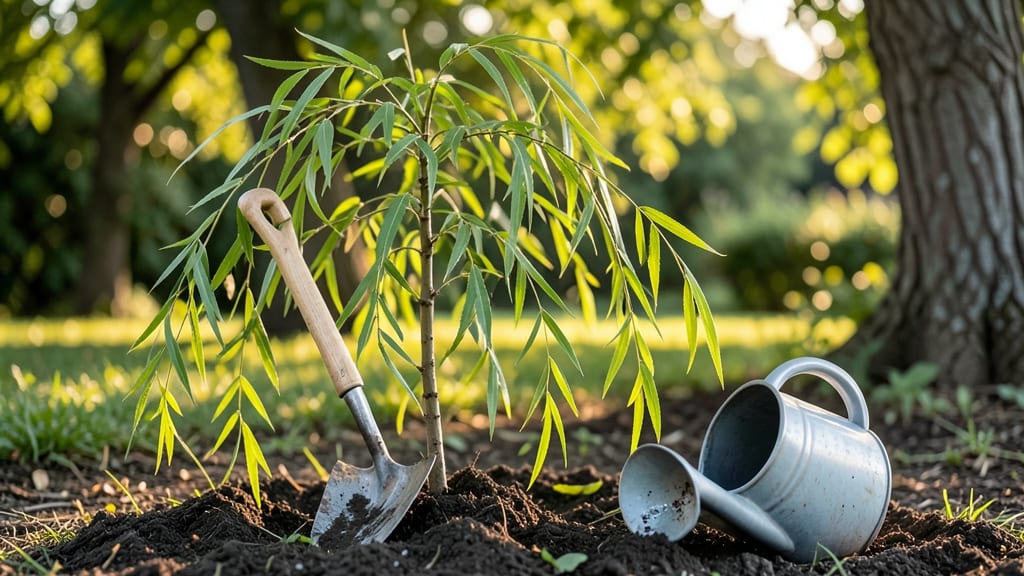
Planting a willow tree means year-round interest—those cascading branches stay green even in winter, and the golden hues of autumn make your yard the envy of the neighborhood. 🌿 I’ve planted willows in everything from boggy backyards to dry riverbanks, and the secret to their success starts before the first shovel hits the ground.
Willows thrive where others fail—wet soil, poor drainage, even full sun—because their roots can handle what most plants can’t. You’ll need a spot with at least 6 feet of width (more for weeping varieties) and 10 feet of height clearance, since some grow 30+ feet tall.
The soil? Just dig a hole twice as wide as the root ball but no deeper—willows hate sitting too low.
After planting, the first 3 cuts are critical: trim any damaged roots, prune the top by a third to encourage branching, and shape the canopy to prevent future storm damage.
Water deeply once a week for the first month, then ease up once the roots establish—willows hate soggy feet but love consistent moisture.
Here’s the best part: willows grow fast, and with minimal care, they’ll reward you with privacy, shade, and wildlife habitat within just a few seasons. Whether you’re reviving a soggy corner or adding drama to a landscape, this is the tree that delivers—no fuss, just results.
📚 In This Guide
- What you need
- Instructions
- Tips and common mistakes
- Wrapping up and next steps
What you need
- ● Willow tree saplings: 1-3 (choose fast-growing varieties like Salix babylonica or Salix fragilis for best results).
- ● Shovel or trowel: 1 (for digging holes—opt for a 5-6 inch wide shovel for ease).
- ● Compost or well-rotted manure: 2-3 gallons (to enrich the soil and promote root growth).
- ● Native soil or topsoil: Enough to backfill the planting hole (avoid heavy clay if possible).
- ● Watering can or hose: 1 (with a gentle spray nozzle for delicate saplings).
- ● Mulch (straw, wood chips, or leaves): 2-3 inches (to retain moisture and suppress weeds).
- ● Planting hole: Twice as wide as the root ball and as deep (willows thrive in moist, slightly boggy soil).
- ● Epsom salt: 1 tbsp (mixed with water for a magnesium boost, especially for yellowing leaves).
- ● Root stimulator: 1 bottle (to encourage faster root establishment).
- ● Tree stakes & ties: 2-4 (if planting in windy areas or for young saplings).
- ● Soil pH tester: 1 (willows prefer slightly acidic to neutral soil (pH 6.0-7.5)).
- ● Fertilizer (balanced 10-10-10): 1 small bag (apply sparingly—willows are low-maintenance!).
Step-by-step guide to planting willow trees for lush year-round growth
Willows thrive with minimal fuss—just follow these precise steps for strong roots and rapid growth.
🌱 Step 1: Choose the Right Willow Variety and Planting Site
Willows love moisture and space, so select a site with at least 6 feet of clearance from structures and other plants. The soil should drain well but stay damp—avoid waterlogged areas where roots will rot. For year-round interest, opt for weeping willows (like Salix babylonica) or pussy willows (Salix discolor) for early spring blooms.
Test your soil by squeezing a handful—it should hold shape but crumble when dry. If your soil is heavy clay, mix in 2 inches of compost from your materials list to improve drainage. I always plant willows near water features or along pond edges, where their roots can access natural moisture without flooding.
🪴 Step 2: Dig the Hole and Prepare the Root Ball
Dig a hole twice as wide as the root ball but no deeper—willows hate being buried too deep, which can strangle their roots. Loosen the sides of the hole with a shovel to encourage root spread. If planting bare-root willows, soak the roots in lukewarm water for 1-2 hours before handling to prevent drying.
Gently tease out any circling roots with your fingers—this prevents girdling as the tree matures. Place the root ball in the hole so the top of the root flare sits level with the soil surface. Backfill with native soil, tamping lightly every 6 inches to remove air pockets. Water deeply to settle the soil around the roots.
☀️ Step 3: Mulch and Water for Initial Establishment
Spread 3 inches of mulch (like wood chips or straw) over the root zone, keeping it 6 inches away from the trunk to prevent rot. Mulch conserves moisture and regulates soil temperature—critical for willows, which grow best in 60-75°F soil. Water twice weekly for the first month, providing 1-2 gallons per tree each time until the soil is moist 6 inches deep.
Here’s the thing—willows are thirsty but hate soggy feet. After the first month, reduce watering to once weekly unless your region experiences drought conditions. You’ll know it’s working when new shoots appear within 4-6 weeks—that’s your signal the roots are established.
✂️ Step 4: Prune for Shape and Health in Early Spring
Willows grow fast, so prune in late winter or early spring before new growth begins. Remove dead, crossing, or weak branches first—these compete with healthy growth. For weeping willows, trim back 1/3 of the longest branches to encourage bushier growth. Use clean, sharp pruners to make cuts just above a leaf node or bud.
Real talk: willows bleed sap when pruned in warm weather, so avoid cutting in spring or summer. If you must prune later, do it in fall after leaf drop to minimize stress. Seal larger cuts (over 2 inches in diameter) with pruning sealant to prevent disease entry.
⏰ Step 5: Maintain Year-Round with Seasonal Care
Willows are low-maintenance but benefit from annual deep watering in dry spells. In late winter, apply a 2-inch layer of compost around the drip line to replenish nutrients. For pussy willows, remove spent catkins after blooming to keep the tree tidy. Fertilize lightly in early spring with a balanced 10-10-10 formula if growth slows.
Watch for aphids or scale insects on new shoots—these are common on willows. Blast them off with a strong stream of water or treat with neem oil if infestations persist. With proper care, your willow will grow 3-6 feet per year, providing shade, wildlife habitat, and seasonal interest.
Tips & tricks for perfect willow tree planting
Here's what nobody tells you about planting willows that'll make all the difference between a struggling sapling and a thriving year-round beauty.
Soil Temperature Matters: The instructions mention 60-75°F soil as ideal, but I've learned this the hard way—willows planted in soil below 60°F struggle to establish roots. If your spring planting falls into cooler temperatures, consider using a soil warming mat or planting in late spring when soil naturally reaches that sweet spot. You'll notice faster root development and stronger initial growth when soil temps stay consistently in this range.
Root Ball Preparation: That 1-2 hour soak for bare-root willows is non-negotiable, but here's the thing—don't just dunk them in water. Use lukewarm water (not cold) and add a root growth stimulator if you have one. I like to add a handful of my compost to the soaking water too—it gives those roots a head start with beneficial microbes right from planting day.
Mulching Strategy: The 3 inches of mulch recommendation is perfect, but placement is critical. I've seen too many people pile mulch right against the trunk, which causes rot. That 6-inch clearance from the trunk isn't just about aesthetics—it prevents moisture buildup that invites fungal diseases. Plus, create a small berm around the base to help direct water away from the trunk during those twice-weekly waterings.
Pruning Timing: While the instructions specify late winter/early spring pruning, here's my game-changer: mark your calendar for the full moon in late winter. Pruning during this lunar phase promotes stronger root growth—something I discovered after reading about ancient agricultural practices. It's particularly helpful for weeping willows where you're trimming back 1/3 of those long branches.
Pro Tips for Willow Tree Planting
- Here's what nobody tells you about planting willows that'll make all the difference between a struggling sapling and ...
- Soil Temperature Matters: The instructions mention 60-75°F soil as ideal, but I've learned this the hard way—willows ...
- Root Ball Preparation: That 1-2 hour soak for bare-root willows is non-negotiable, but here's the thing—don't just du...
Frequently asked questions
Got questions about planting willow trees? Here are some of the most common ones—plus straightforward answers to help you get started with confidence!
When is the best time to plant a willow tree?
The ideal window is late fall or early spring (before buds swell or after leaves drop). Willow trees thrive in moist soil, so planting during cooler months reduces stress from heat. Avoid extreme drought or frost periods—willows hate soggy roots but also struggle with dry spells right after transplanting.
How much water does a newly planted willow tree need?
Willows are water hogs! For the first year, water deeply 2–3 times per week (about 1–2 inches per session). After that, they’re drought-tolerant but prefer consistently moist soil. Mulch around the base (but keep it 6 inches away from the trunk) to retain moisture and suppress weeds. Overwatering can suffocate roots, so ensure good drainage.
Can I plant a willow tree in a small yard or container?
Willows grow fast and wide—some varieties (like Salix babylonica) can spread 30+ feet! For small spaces, opt for dwarf varieties like Salix caprea (goat willow) or Salix purpurea (purple willow). If container-growing, use a large pot (20+ gallons) with drainage holes and repot every 2–3 years. Just know: willows need space!
Why is my willow tree’s leaves turning yellow or wilting?
Yellow leaves often signal overwatering, poor drainage, or nutrient deficiency. Check the soil—it should feel damp but not soggy. Wilting could mean root rot (too much moisture) or underwatering. If leaves are crispy, it’s likely drought stress. Test soil pH (willows prefer 6.0–7.5) and fertilize lightly in spring with a balanced 10-10-10 mix if growth is slow.
Do willow trees need pruning right after planting?
No pruning is needed immediately, but you can trim any damaged or crossing branches to encourage strong growth. Wait until late winter or early spring for the first major pruning to shape the tree. Willow’s flexible branches are prone to suckering—remove unwanted shoots at the base to redirect energy. Always sterilize tools to prevent disease!
Wrapping up and next steps
Planting a willow tree isn’t just about adding beauty to your landscape—it’s an investment in year-round growth, resilience, and natural harmony. 🌿 With the right pruning techniques (like those three key cuts) and a little care, you’ll nurture a thriving tree that adapts to any season.
Ready to get your hands dirty? Start by marking your spot, gathering your tools, and taking that first step toward a greener future!
- Next up: Check local planting guidelines or soil conditions to tailor your approach.
- Pro tip: Snap a photo of your willow’s progress—watch it transform over time!