Companion Plants
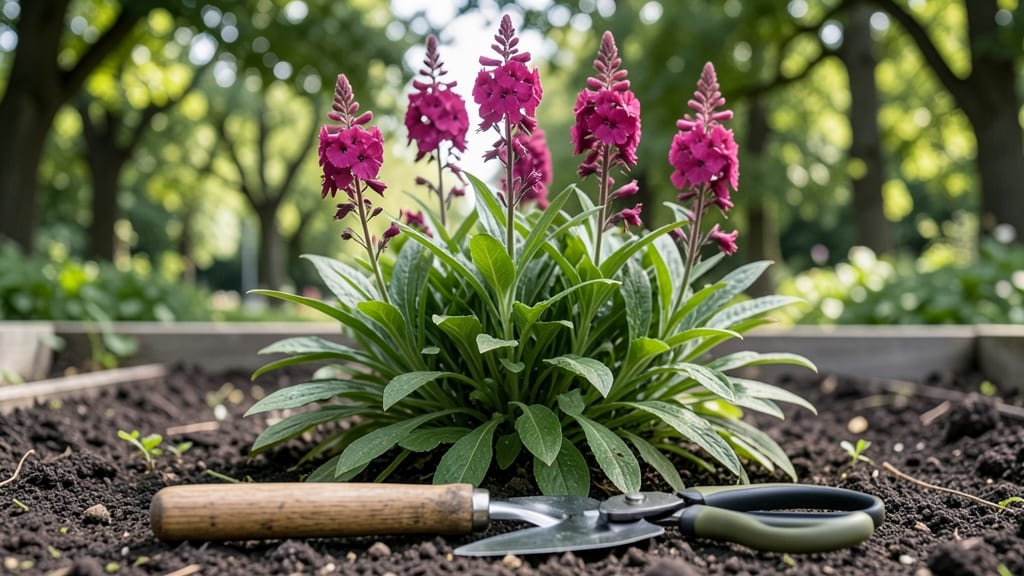
Dividing phlox plants every 3 to 4 years is the secret to keeping them blooming like crazy 🌸—instead of letting them turn into a crowded mess that flops over.
Picture this: your once-vibrant phlox clump now looks tired, with fewer flowers and leggy stems. That’s your plant begging for a reset, and the difference between a thriving border and a sad, overgrown clump comes down to timing and technique.
In Zone 6, the best windows are early spring (just as new shoots emerge) or early fall (before the first frost). Both times give your phlox a fighting chance to root before winter or summer stress kicks in.
Below, I’ll walk you through the exact steps—from digging to replanting—plus the three mistakes that kill more divisions than you’d think. Ready to turn that floppy clump into a showstopper?
Best time to divide phlox plants for maximum growth
If your phlox plants are looking crowded with fewer blooms than before, dividing them can restore their vigor. Timing this task correctly ensures strong root systems and abundant flowers next season.
The best time to divide phlox clumps depends on your climate and the plant's growth cycle—typically early spring or early fall offers ideal conditions.
Dividing in early spring (just as new growth begins) gives roots time to establish before summer heat. Meanwhile, early fall division (4-6 weeks before frost) allows roots to settle before winter dormancy. Both windows prevent stress from extreme temperatures, ensuring your phlox thrives after transplanting.
Look for signs your phlox needs dividing, like overcrowded centers with fewer blooms or bare patches where stems emerge. If your plants are 3-4 years old, division is often necessary to prevent decline. Younger phlox can wait until they show these signs, usually every 2-3 years.
Your USDA hardiness zone also plays a role. In Zone 6 or warmer, early spring division works well, while cooler zones may prefer fall division to avoid early frost risks. Always check your local last frost date to time divisions properly.
Dividing at the wrong time can stress plants, leading to poor regrowth or even death. Avoid dividing in summer heat or deep winter, as these extremes disrupt root systems. Proper timing maximizes bloom production and plant longevity.
Season
Best Time
Root Establishment
Bloom Impact
Early Spring
March-April (after last frost)
6-8 weeks before summer
Full-season blooms
Early Fall
September-October (4-6 weeks before frost)
Before winter dormancy
Next year's blooms
Avoid
Summer heat or winter
Stress increases mortality
Reduced or no blooms
When dividing in early spring, focus on healthy root systems with multiple shoots. Each new section should have at least 3-5 shoots and 2-3 inches of roots for best results. This ensures strong regrowth and vibrant blooms by midsummer.
For fall division, prioritize root health and soil preparation. Amend the planting area with compost to support root development before winter. Water deeply after transplanting to help roots establish before dormancy sets in.
After dividing, monitor your phlox for new growth signs like fresh green leaves or tall stems. If you notice yellowing leaves or stunted growth, adjust watering or check soil drainage. Proper care post-division ensures your phlox rebounds with lush foliage and plentiful flowers.
Dividing phlox at the right time isn’t just about plant health—it’s about maximizing blooms and preventing disease. Overcrowded phlox attract pests and suffer from poor air circulation, while divided plants thrive with better sunlight exposure and nutrient access. 🌸
Step-by-step guide to properly splitting phlox clumps
Dividing your phlox clumps is one of the best ways to refresh your garden beds and encourage vibrant blooms. Over time, phlox plants can become overcrowded, leading to fewer flowers and weaker growth.
By splitting them every 3-4 years, you’ll revive their health and create more plants for your garden or to share with friends.
Before you start, make sure you’ve chosen the right time of year—early spring or early fall are ideal. This timing gives your phlox enough time to establish roots before extreme heat or cold sets in.
Gather your tools: a sharp garden spade, pruners, and a bucket of water for cleaning up.
Why dividing works: Phlox grows in clumps, and when roots become tangled, the center often dies out. Splitting separates the healthy outer growth from the crowded center, giving each new plant room to thrive. Plus, you’ll end up with more plants than you started with!
How to Divide Phlox Clumps
- Step 1: Prepare the Area
Water the phlox clump thoroughly the day before dividing. This helps loosen the soil and makes it easier to dig without damaging roots. - Step 2: Dig Up the Clump
Use your garden spade to dig around the outer edge of the clump, cutting about 6 inches deep. Lift the entire plant gently from the ground. - Step 3: Separate the Roots
Lay the clump on a tarp or flat surface. Use your hands or a clean knife to gently tease apart the roots. Aim for sections with 3-5 shoots and a good root system. - Step 4: Trim and Prune
Trim any damaged roots with pruners. Cut back the foliage by one-third to reduce stress on the plant as it recovers. - Step 5: Replant Immediately
Dig new holes in your garden bed or containers, ensuring they’re the same depth as the original planting hole. Space new clumps 18-24 inches apart for optimal airflow. - Step 6: Water and Mulch
Water the newly replanted phlox deeply to settle the soil. Add a 2-inch layer of mulch around the base to retain moisture and suppress weeds.
After replanting, keep an eye on your divided phlox. Water them regularly for the first two weeks to help them establish roots. Avoid fertilizing immediately—wait until new growth appears in 4-6 weeks to encourage strong recovery.
Dividing phlox is a rewarding process that not only rejuvenates your garden but also gives you extra plants to enjoy. With proper care, your newly split phlox will reward you with fuller blooms and healthier growth in no time. Happy gardening!