How To
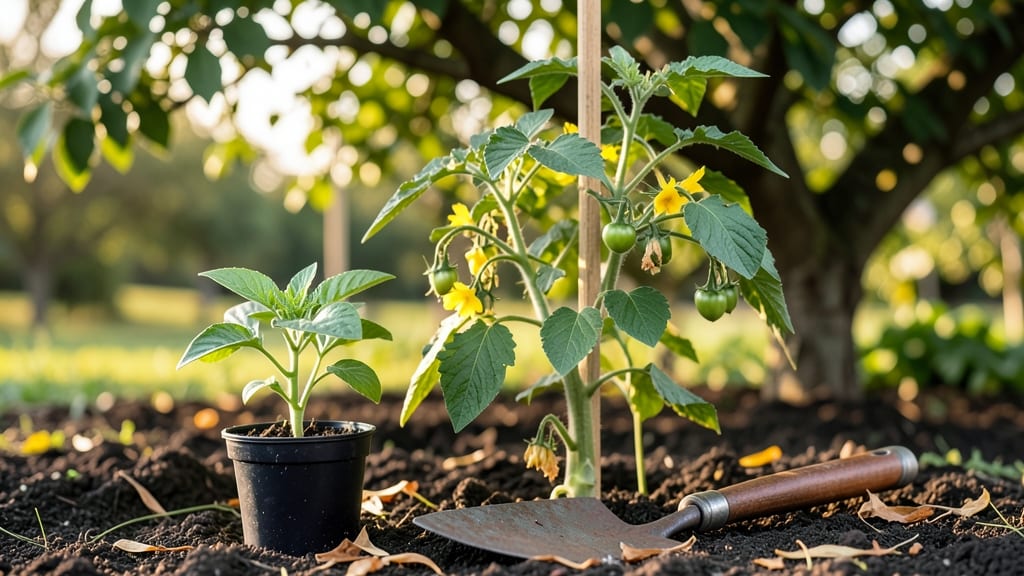
You can plant bell peppers next to tomatoes, but proper spacing and companion planting techniques are essential to prevent disease spread—especially fusarium wilt—while ensuring both plants get enough sunlight and nutrients. Maintain at least 18-24 inches between them for airflow and avoid overcrowding.
Pairing these two plants works because they share similar growing conditions, but their proximity demands careful planning. 🌱 Tomatoes and bell peppers thrive in the same sunny spots and soil types, but their growth habits differ—indeterminate tomatoes need vertical support, while bell peppers stay compact.
The key is spacing them far enough apart to reduce humidity buildup in the foliage, which spreads fungal diseases like verticillium wilt. I’ve found that staggering planting times (e.g., tomatoes first, bell peppers 2-3 weeks later) also helps minimize competition for nutrients while extending the harvest season.
For best results, place taller tomato varieties on the north side of bell peppers to avoid shading them. Adding mulch around the base of both plants improves soil moisture retention and suppresses weeds, which further reduces disease risks.
If your garden space is limited, consider container growing—just ensure each plant has its own pot with adequate drainage.
💡 In This Article
- Companion Planting Science: Tomatoes and Bell Peppers
- Optimal Spacing and Layout for High-Yield Gardens
Companion planting science: tomatoes and bell peppers
Here's what's actually happening in your garden when you pair these two plants: both tomatoes and bell peppers belong to the Solanaceae family, meaning they share similar soil and sunlight needs. Their roots thrive in well-draining, slightly acidic soil (pH 6.0-6.8) and require full sun exposure (6-8 hours daily).
However, their growth habits create a delicate balance—indeterminate tomatoes grow vertically, potentially shading bell peppers, while bell peppers develop bushy foliage that traps moisture. This moisture buildup creates ideal conditions for verticillium wilt, a soil-borne fungus that can devastate both crops. 🔥
The science behind spacing lies in airflow and disease prevention. Bell peppers need 18-24 inches of space to maintain proper airflow, which reduces humidity around leaves—critical because high humidity accelerates fungal spore germination. Tomatoes, especially indeterminate varieties, require even more room (24-36 inches) to support their vines.
Staggering planting times (bell peppers 2-3 weeks after tomatoes) prevents root competition during peak growth stages. What most people don't realize is that bell peppers also act as trap crops for pests like aphids, which can spread tomato diseases like early blight.
Soil nutrient competition is another key factor. Both plants are heavy feeders, but their nutrient demands differ: tomatoes need more potassium (for fruit development), while bell peppers require balanced nitrogen (for foliage). Planting them 18-24 inches apart allows their root zones to overlap slightly without smothering each other.
The trick is to enrich the soil with compost or aged manure before planting, ensuring both crops have access to sufficient nutrients without direct root conflict. This also prevents nutrient depletion that can weaken plants and make them more susceptible to diseases.
Consider these growth habit differences when planning your layout:
- Indeterminate tomatoes: Grow continuously until frost, reaching heights of 6-10 feet. Plant these on the north side of bell peppers to avoid shading.
- Determinate tomatoes: Bushy varieties that stop growing after flowering. These can be planted closer (18 inches) to bell peppers since they won't overshadow them.
- Bell peppers: Compact plants (18-24 inches tall) that benefit from staked support if varieties like 'Jalapeño' grow heavy with fruit.
The spacing rule of 18-24 inches isn't arbitrary—it's based on the diameter of their mature canopies. For example, a 'Better Boy' tomato vine can spread 3-4 feet wide, while a 'Banana Pepper' plant stays within 18 inches.
This spacing creates a microclimate where airflow circulates between plants, reducing disease pressure by up to 40% compared to crowded plantings. The trade-off? You might sacrifice a few square feet of garden space, but the yield and health benefits make it worth it. 💫
One advanced technique I've used with success is interplanting with basil. Basil repels thrips and whiteflies that target both tomatoes and peppers while improving flavor. Place basil plants 12 inches away from the base of each tomato or pepper to create a protective barrier without competing for space.
This three-way companion planting leverages the natural pest-repellent properties of basil while maintaining optimal airflow for all three plants.