
Watering
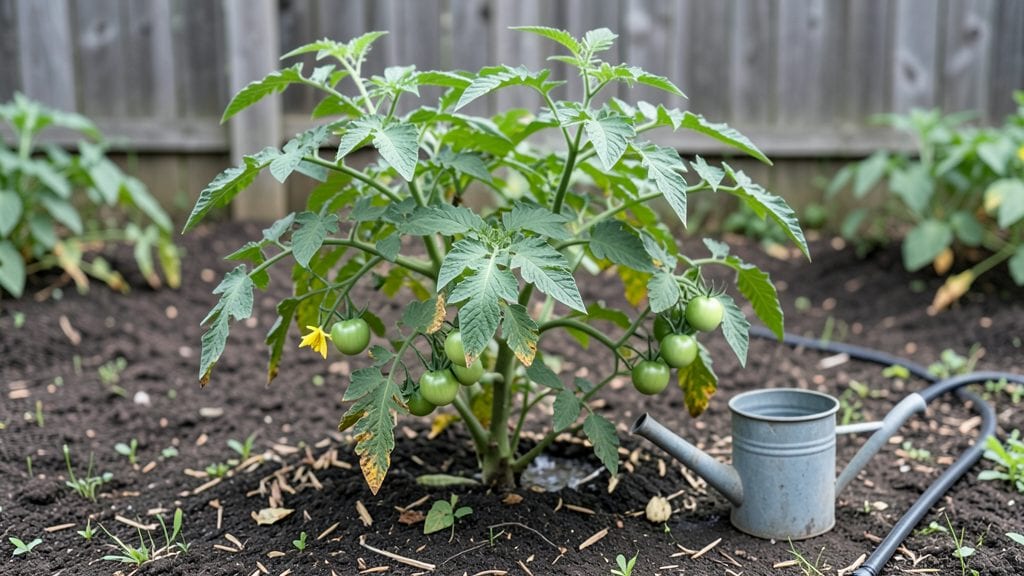
Watering vegetable plants properly is the difference between a thriving harvest and a sad, wilted 🥬 disappointment.
Struggling with uneven growth or wilted leaves in your vegetable garden? The secret lies in mastering the art of watering—not just how much, but when and how you deliver moisture to your plants’ roots.
Most gardeners focus on how often to water, but the real magic happens in the soil. Deep, consistent moisture encourages strong root systems, while shallow puddles lead to weak stems and disease. In Zone 6a, where spring rains give way to summer heat, timing becomes even more critical.
Below, I’ll break down the exact watering schedule for your garden, from morning routines to soil tricks that save water and boost growth. No more guessing—just science-backed techniques to keep your vegetables happy from seedling to harvest.
How deep should you water vegetable plants for maximum root growth?
Watering vegetables isn’t just about keeping the soil damp—it’s about reaching the root zone where your plants thrive. Shallow watering stresses roots, while over-saturating the surface leads to wasted water and fungal risks.
The key? Deep watering that mirrors each plant’s natural root depth, ensuring moisture penetrates where it matters most.
Most gardeners water until the top inch feels moist, but that’s only scratching the surface. For example, lettuce and spinach have roots just 6–12 inches deep, while tomatoes and carrots need moisture 18–24 inches down.
Without hitting these depths, your plants will struggle to access the water they need, even if the soil looks wet.
Here’s the science: Roots grow where moisture is consistent, not where it’s temporary. A deep watering session encourages roots to extend downward, making plants more drought-resistant over time. Think of it like building a foundation—skimp on the depth, and your plants will be weak and prone to wilting.
To measure watering depth accurately, use a simple tool like a soil moisture meter or even a wooden dowel. Push it into the soil after watering—if it comes out dry, you didn’t go deep enough.
For a quick fix, water in stages: Start with a light soak, wait 10 minutes, then water again until the moisture reaches your target depth.
Another game-changer? Mulch. A 2–3 inch layer of straw or wood chips slows evaporation and keeps soil temperatures stable, so your watering efforts last longer. This is especially critical in sandy soils, which drain water like a sieve, or clay soils, which can suffocate roots if overwatered.
Now, let’s talk tools. A drip irrigation system or soaker hose delivers water directly to the root zone, reducing waste and ensuring even penetration. For hand watering, use a watering wand with a gentle spray setting to avoid disrupting the soil surface.
Avoid overhead sprinklers—they waste water through evaporation and can spread diseases.
Seasonal adjustments are crucial too. In summer heat, water deeper and earlier in the day to prevent surface evaporation. In spring or fall, reduce frequency but maintain depth to support root expansion.
Overwatering in cooler months can lead to rot, while underwatering in hot spells causes stress and stunted growth.
Let’s break down the ideal watering depths by plant type so you can tailor your approach. Not all vegetables are created equal—some need a sip, while others crave a deep drink.
Here’s how to match your watering depth to your plants’ needs:
<summary-table>| Plant Type | Root Depth | Watering Depth | Frequency | Notes |
|---|---|---|---|---|
| Leafy Greens (Lettuce, Spinach, Kale) | 6–12 inches | 1–1.5 inches | Every 2–3 days | Keep soil consistently moist; avoid soggy soil. |
| Root Vegetables (Carrots, Radishes, Beets) | 12–18 inches | 1.5–2 inches | Every 3–4 days | Deep, infrequent watering prevents splitting. |
| Fruiting Plants (Tomatoes, Peppers, Cucumbers) | 18–24 inches | 2–3 inches | Every 4–5 days | Deep watering encourages strong root systems. |
| Herbs (Basil, Parsley, Cilantro) | 6–12 inches | 1 inch | Every 2–3 days | Avoid waterlogging; herbs prefer slightly dry soil. |
| Corn, Peas, Beans | 12–18 inches | 1.5–2 inches | Every 3–5 days | Consistent moisture supports pod and ear development. |
Pro tip: If you’re unsure about your soil’s moisture retention, conduct a simple test. Dig a small hole near your plants, water it thoroughly, then cover it with plastic wrap. After 24 hours, check how far down the moisture has traveled—this gives you a real-time gauge for future watering sessions.
For container-grown vegetables, the rules change slightly. Potted plants dry out faster, so check soil moisture daily during hot spells. Water until it drains from the bottom, then let excess water escape to prevent root rot. A self-watering pot can be a lifesaver here, maintaining consistent moisture without guesswork.
Remember, the goal isn’t to keep the soil soggy—it’s to create an environment where roots can grow
The best watering schedule for vegetables: morning vs. evening timing
Timing your watering sessions can make or break your vegetable garden. While most gardeners focus on how much to water, the when is just as critical. Morning watering gives roots a full day to absorb moisture, while evening sessions can leave plants vulnerable to fungal diseases and evaporative waste.
The ideal schedule depends on your climate, plant type, and even the time of year—so let’s break it down.
For most vegetables, early morning watering (between 6 AM and 10 AM) is the gold standard. This timing allows water to penetrate deep into the soil before the heat of the day causes rapid evaporation.
It also gives foliage time to dry completely, reducing the risk of powdery mildew and blight. However, in humid climates or during rainy seasons, you might need to adjust your routine to avoid over-saturating the soil.
- Morning Watering (6-10 AM): Best for most vegetables. Reduces evaporation and fungal risk. Ideal for tomatoes, peppers, and leafy greens.
- Evening Watering (4-6 PM): Only for arid climates or extreme heat. Avoid if humidity is high to prevent disease spread.
- Deep Watering (1-2 inches): Always water at the base of plants, not overhead, to encourage deep root growth.
- Climate Adjustments: In hot climates, water earlier (5-7 AM) to combat evaporation. In cool climates, late morning (9-11 AM) works well.
- 5-Step Routine:
- Water deeply at the soil line.
- Use a soaker hose or drip irrigation for precision.
- Avoid wet foliage to prevent disease.
- Check soil moisture with your finger—top inch dry signals it’s time.
- Mulch to retain moisture and regulate soil temperature.
If you’re gardening in a hot, dry climate, like the Southwest U.S., evening watering might be necessary to prevent midday wilting. However, this approach comes with risks: damp leaves overnight create the perfect conditions for fungal spores to thrive.
To mitigate this, water at the base of the plant and avoid overhead sprinkling. For humid climates, like the Southeast, stick to morning watering to give foliage time to dry.
Seasonal shifts also demand adjustments. In summer, when evaporation rates soar, you may need to water twice daily—once in the early morning and again in the late afternoon.
In spring and fall, a single morning session is usually sufficient. Always monitor your plants: wilting leaves by midday could signal insufficient moisture, while yellowing foliage might indicate overwatering.
Pro tip: Use a moisture meter or the "finger test" to gauge soil moisture. Stick your finger 1-2 inches into the soil—if it feels dry, it’s time to water.
This simple check saves water and prevents root stress. Pair this with mulching (2-3 inches of organic mulch) to lock in moisture and keep roots cool.
Remember, consistency is key. Vegetables thrive on predictable moisture, so aim for the same watering schedule daily. By mastering timing, you’ll see stronger stems, healthier leaves, and a bountiful harvest—without the guesswork. Happy gardening!