
Plants
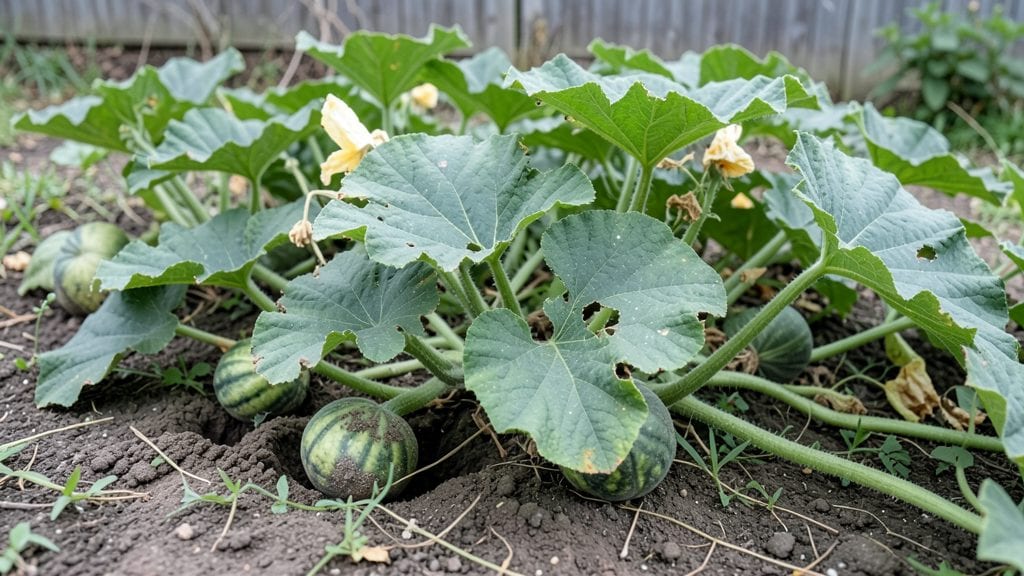
Powdery mildew on pumpkin plants turns lush vines into sad, dusty skeletons faster than you’d think. 🌱 I’ve watched my own pumpkin patches go from thriving to struggling in just a few weeks, and I’ll admit—it’s frustrating.
But there’s a way to turn things around without harsh chemicals, and it only takes three targeted sprays.
The problem starts when humidity hangs thick in the air and airflow gets blocked by crowded vines. That white, powdery film isn’t just ugly—it clogs leaves so badly that plants can’t photosynthesize.
The good news? You can stop it in its tracks with simple organic sprays like neem oil or a baking soda mix, applied every 7–10 days until the mildew disappears.
By the time you’re done, your pumpkins will be thriving again—vibrant green leaves, strong stems, and no more white dust. The key is acting fast and keeping the plants happy with proper spacing and afternoon shade during hot, humid days. Trust me, your harvest will thank you.
This method works for squash, cucumbers, and melons too, so you’re not just saving your pumpkins—you’re protecting your whole garden. Let’s get those plants back in fighting shape.
The Hidden Triggers Of Fungal Foes
Powdery mildew isn’t just a random nuisance—it’s a fungal party crashers that thrives on specific conditions. Understanding why it targets your pumpkin plants is the first step to kicking it out for good.
Below, we break down the science-backed reasons this pesky fungus shows up uninvited, so you can outsmart it before it spreads.
Powdery mildew loves moisture—but not the kind from rain. This fungus thrives in high humidity (above 75%) combined with stagnant air. Here’s why:
- Spores need moisture to germinate. The fungus releases lightweight spores that float in damp air. When humidity stays high, these spores land on leaves and stick like glue, ready to infect.
- Stagnant air = fungal buffet. Poor airflow (like in dense plantings or shaded areas) traps humidity near leaves, creating the perfect microclimate for mildew. Think of it as a fungal sauna—hot, sticky, and impossible to escape.
- Morning dew is a double-edged sword. While dew itself isn’t the problem, if it lingers until midday (especially in shady spots), it extends the fungus’s window of opportunity to infect.
💡 Pro Tip: Aim for 12+ hours of airflow around your pumpkin plants daily. Prune leaves to improve circulation, and avoid overcrowding—this fungus hates competition for space!
Pumpkins with too little space between vines create a fungal playground. Here’s how overcrowding fuels powdery mildew:
- Leaves touch leaves = spore superhighway. When vines and leaves brush against each other, spores hitch a ride from infected to healthy areas. It’s like a fungal subway system—fast, efficient, and impossible to stop without spacing.
- Shade = slower drying = longer fungal feasts. Dense plantings block sunlight, keeping leaves damp longer. Powdery mildew can’t photosynthesize (unlike pumpkins), so it relies on moisture to survive. Shade just gives it more time to chow down.
- Soil moisture rises = leaf moisture rises. Overcrowded plants compete for water, but their roots often over-saturate the soil, causing moisture to wick up through leaves—another free snack for the fungus.
🎯 Action Step: Space pumpkin plants 4–6 feet apart (or follow seed packet guidelines). If you’re growing in containers, ensure they’re well-spaced on a trellis to lift leaves out of the humidity trap.
Stressed pumpkin plants are like open invitations for powdery mildew. When your plants are struggling, their defenses drop, and the fungus walks right in. Common stressors include:
| Stressor | Why It Helps Mildew |
|---|---|
| Nutrient deficiencies (e.g., low nitrogen or magnesium) | The fungus steals nutrients from weakened leaves, but the plant’s poor health makes it easier for spores to latch on. |
| Water stress (over- or under-watering) | Drought-stressed plants have thinner, more vulnerable leaf cuticles, while overwatered plants create soggy conditions the fungus adores. |
| Pests (like aphids or spider mites) | These pests damage leaves, creating entry wounds for mildew spores. Plus, their sticky residue traps spores like flypaper. |
| Sudden temperature swings | Pumpkins prefer consistent warmth (60–85°F). Cold nights or hot days shock the plant, weakening its immune response. |
💪 Prevention Hack: Keep your pumpkins consistently healthy with balanced fertilizer (high in nitrogen early, potassium later) and monitor for pests weekly. A neem oil spray can double as a fungal deterrent while keeping pests at bay.
Powdery mildew doesn’t disappear when you remove infected leaves. Spores can linger in the soil, on tools, or even in the air for months, waiting for the right conditions to return. Here’s how past problems resurface:
- Dormant spores in soil. Many mildew fungi overwinter in garden soil. If you planted pumpkins in the same spot last year (or grew susceptible crops like cucumbers or squash), spores are already there, ready to pounce.
- Contaminated tools or clothing. Pruners, gloves, or even your shoes can carry spores from infected plants to healthy ones. One wrong move, and boom—new infections.
- Windborne spores. Powdery mildew spores are light as dust and can travel miles on wind currents. If a neighbor’s garden had mildew, yours might be next on the fungal hit list.
✨ Cleanup Must-Do:
- Rotate crops—never plant pumpkins, squash, or cucumbers in the same spot two years in a row.
- Sterilize tools with 70% rubbing alcohol or a 10% bleach solution between uses.
- Remove all plant debris (including fallen leaves) from the garden bed after the season.
Quick Fixes for Fungal Foes
Now that you know why powdery mildew is crashing your pumpkin party, let’s roll up our sleeves and get those plants back in fighting shape! 🌱 The good news? You don’t need harsh chemicals—just a few targeted, organic strategies to kick this fungus to the curb.
Below, we’ve mapped out practical solutions based on the root causes, so you can tackle the issue head-on without stress.
Powdery mildew thrives in cozy, humid conditions where air can’t circulate. If your pumpkin vines are tangled or your garden is packed like a subway car, it’s time to open things up.
- 🔪 Trim the chaos: Snip away overgrown or crowded vines to improve airflow. Focus on the undersides of leaves (a hotspot for mildew) and remove any severely infected foliage. - 🌿 Space it out: If your pumpkins are planted too closely, thin them out.
Aim for 3–4 feet between plants to give them room to breathe. - 🌡️ Morning watering: Water plants early in the day so leaves dry quickly. Wet foliage at night = mildew’s favorite buffet.
💡 Pro Tip: Use tomato cages or trellises to elevate vines off the ground, reducing humidity at the base.
Powdery mildew loves damp leaves, so if you’re watering from above or overdoing it, this fungus will throw a party in your garden.
- 👨🍳 Water at the roots: Use a soaker hose or drip irrigation to deliver water directly to the soil.
Avoid splashing leaves—think "target the base, not the canopy." - ⏰ Time it right: Water in the early morning (before 10 AM) so leaves have all day to dry. Nighttime watering?
Mildew’s dream come true. - 🌧️ Drainage check: If your soil stays soggy, amend it with compost or perlite to improve drainage. Mildew hates well-draining soil!
✨ Bonus Hack: Mulch around plants with straw or grass clippings to keep moisture levels steady and reduce splashing.
Shady spots create the perfect mildew incubator. If your pumpkins are tucked away in a low-light area, it’s time to bring on the sunshine.
- 🔥 Move ‘em closer: Relocate plants to a sunnier spot (6–8 hours of direct sunlight is ideal).
If space is tight, use reflective surfaces (like white plastic sheeting) to bounce light onto shaded areas. - 🌡️ Heat it up: If you’re in a cooler climate, consider row covers during the day to trap heat and deter mildew.
Remove them at night to prevent overheating. - 🌿 Choose the right spot next time: When planting, pick a location with full sun exposure—powdery mildew struggles to survive in bright, dry conditions.
Now for the real action: organic sprays that smother mildew without harming your pumpkins (or your conscience). Here’s a 3-spray rotation for maximum effect:
| Spray | How to Use | Frequency |
|---|---|---|
| Baking Soda Mix | 1 tbsp baking soda + 1 tsp dish soap + 1 gallon water. Spray evenly on both sides of leaves. | Every 7–10 days until cured. |
| Neem Oil Solution | 1 tbsp neem oil + 1 tsp mild soap + 1 quart water. Shake well and spray at dusk (avoids burning leaves). | Every 5–7 days (rotate with baking soda). |
| Milk Spray | 1 part milk + 9 parts water. Spray directly on infected areas. | Every 3–4 days (works fast!). |
💡 Pro Tip: Always spray early in the morning or late afternoon to avoid leaf burn from sunlight. And reapply after rain—nature’s way of washing away your hard work!
The best cure? Stopping it before it starts. Here’s how to future-proof your pumpkin patch:
- 🌱 Choose resistant varieties: Opt for pumpkin types like ‘Howden’ or ‘Waltham Butternut’, which are less prone to mildew. - 🌿 Companion planting: Mix in marigolds, garlic, or thyme—these plants repel pests and improve airflow. - 🍂 Clean up in fall: Remove all plant debris after harvest to eliminate mildew spores hiding for next season. - 🔄 Rotate crops: Don’t plant pumpkins (or squash) in the same spot year after year.
Rotate with beans, corn, or peas to break the mildew cycle.
If mildew spreads aggressively despite your efforts, it’s time for emergency measures: - 🍄 Hydrogen peroxide spray: 1 tbsp 3% hydrogen peroxide per quart of water.
Spray directly on infected areas (test a small leaf first). - 🌿 Copper fungicide (organic): Use a copper-based spray (like copper soap) as a last resort—it’s effective but use sparingly.
Final Thought: Powdery mildew is a nuisance, but with these targeted fixes, you’ll have your pumpkins thriving in no time. Stay consistent, and soon you’ll be harvesting plump, mildew-free gourds—not fungus-snacks! 🎃💪
Frequently asked questions
Why does powdery mildew appear as a white dust on my pumpkin leaves?
That white, powdery coating is actually fungal spores spreading across your plant's surface. The fungus thrives in warm, humid conditions and releases spores that look like flour dust. Unlike other plant diseases, powdery mildew grows on the leaf surface rather than inside the plant tissue, which is why it's so visible.
Can I still harvest pumpkins if they have powdery mildew?
Yes, you can still harvest pumpkins even with mildew, but focus on the fruits that are already mature. The fungus primarily affects leaves and vines, not the developing pumpkins themselves. Just be sure to wash your pumpkins thoroughly before storing or cooking to remove any fungal spores.
How quickly can I expect to see results from organic sprays?
With consistent application (every 5-7 days), you should see noticeable improvement in 7-14 days. The baking soda spray often shows results fastest (within a week), while neem oil takes slightly longer to build up in the plant's system. Keep spraying until you see completely clear leaves for at least two weeks to ensure the fungus is fully gone.
Will my pumpkins recover completely if I treat powdery mildew early?
Yes, pumpkins are surprisingly resilient! If you catch powdery mildew in its early stages and treat it aggressively with organic sprays, your plants can make a full recovery. The key is removing infected leaves and improving airflow. Within a few weeks, you'll typically see new growth emerging from healthy parts of the plant.
Is it safe to compost leaves with powdery mildew?
No, you should not compost infected leaves. The fungal spores will survive the composting process and can reinfect your garden. Instead, double-bag the infected material and dispose of it in your regular trash. This prevents the fungus from overwintering in your compost pile and returning next season.