
Companion Plants
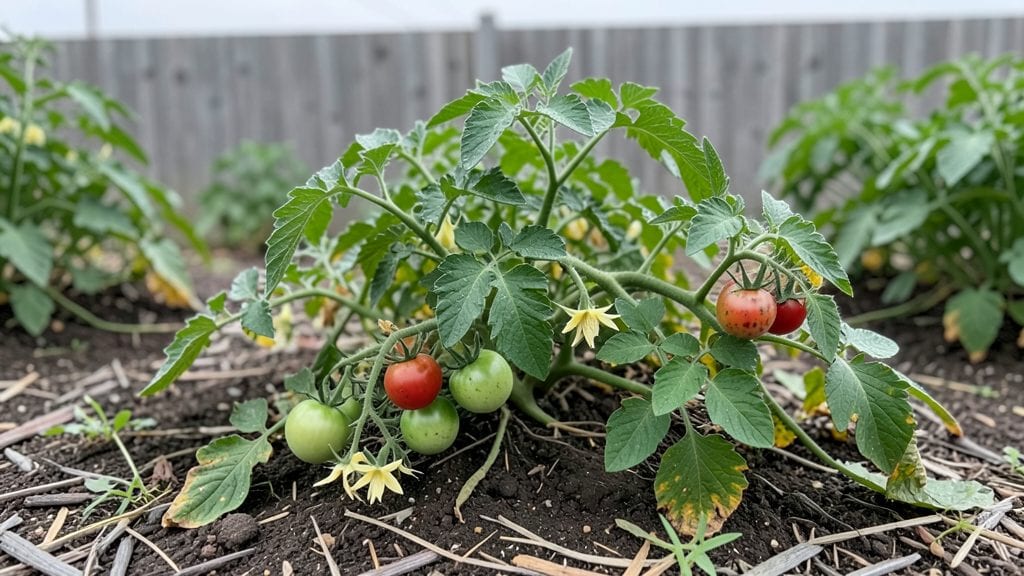
Warm weather plants are the unsung heroes of sunny gardens, turning sweltering summers into lush, fragrant oases. 🌿 I’ve learned the hard way that not all plants handle heat the same way—some wilt while others thrive, sending out vibrant blooms or crisp harvests even when temperatures climb.
The key isn’t just picking the right species but understanding their quirks, like how okra loves the heat or how basil bolts faster than you can blink.
These plants don’t just survive—they flourish with minimal fuss once you get their basics right. You’ll need well-draining soil (especially for succulents), plenty of sunlight, and a watering routine that mimics summer rains—deep soaks followed by dry spells.
My go-to list includes heat-tolerant veggies like sweet potatoes and peppers, plus tropical favorites such as hibiscus and bird of paradise that turn gardens into vibrant canvases. The payoff? A garden that stays productive and beautiful from late spring through fall.
Imagine snipping fresh basil for cocktails in July or harvesting juicy tomatoes when the air is thick with humidity. These plants don’t just adapt—they demand the heat, rewarding you with bold flavors and striking colors.
The secret is choosing varieties bred for warmth and giving them space to breathe, whether in raised beds or containers. With the right picks, your garden becomes a year-round showstopper, not just a summer survival test.
Here’s the twist: many of these same plants can handle mild winters too, especially in warmer climates. Succulents like agave and yucca, for example, stay dormant but bounce back in spring, while tropicals like bougainvillea might need a little winter protection.
The beauty? Once you master the heat-lovers, your garden becomes a low-maintenance paradise that works with the weather, not against it. Let’s dive into the specifics—your sunniest spot won’t know what hit it.
📚 In This Guide
- What you need
- Instructions
- Tips and common mistakes
- Wrapping up and next steps
What you need
- ● Warm-weather plants: Choose from sun-loving varieties like Lantana, Hibiscus, Bougainvillea, Salvia, or Succulents (check local climate zones for best matches).
- ● Potting soil: 5–10 gallons of well-draining, organic-rich potting mix (avoid garden soil—it compacts easily!).
- ● Containers (if needed): 1–3 10–15 gallon pots (for larger plants like Hibiscus).
- ● 5–10 5–7 inch pots (for smaller varieties like Lantana or Salvia).
- ○ Optional: Self-watering containers for drought-prone areas.
- ● Fertilizer: A balanced, slow-release granular fertilizer (10-10-10 or 20-20-20) or liquid seaweed fertilizer for organic options.
- ● Mulch: 2–3 inches of shredded bark, straw, or pebbles to retain moisture and regulate soil temp.
- ● Garden trowel (for transplanting seedlings).
- ● Pruning shears (sharp, sterilized—disease prevention is key!).
- ● Watering can or hose with a gentle spray nozzle (avoid blasting roots!).
- ● Gloves (to protect from prickly plants like Bougainvillea).
- ○ Optional: Soil pH test kit (aim for 6.0–7.0 for most warm-weather plants).
- ● Drip irrigation system (for low-maintenance watering).
- ● Plant markers (to track varieties in large gardens).
- ● Sunny location: At least 6–8 hours of direct sunlight daily (south- or west-facing spots are ideal!).
- ● Warm soil: Wait until nighttime temps stay above 55°F (13°C)—frost-sensitive plants will not survive chilly surprises!
- ● Drainage check: Ensure containers or garden beds have holes or sandy soil amendments to prevent root rot.
- ● Water source nearby: Warm-weather plants thrive on consistency—plan for daily or every-other-day watering in dry climates.
Step-by-Step guide to selecting and planting warm weather plants
Here’s how to build a vibrant, sun-loving garden that thrives all year.
🌱 Step 1: Choose the Right Warm Weather Plants
Focus on sun-loving varieties that tolerate heat and drought once established. My top picks for year-round thrivers include lantana, salvia, bougainvillea, and Mexican sunflower—all of which handle full sun and dry spells beautifully. Check your hardiness zone to ensure the plants you choose can handle your area’s winters, even if you’re planting for warm-season growth.
If you’re unsure, start with one or two plants per pot to test how they perform. This way, you can adjust your garden layout without overcommitting. For example, bougainvillea loves heat and can even handle brief cold snaps if protected, while Mexican sunflower brings bold color and attracts pollinators effortlessly.
☀️ Step 2: Prepare the Planting Site for Full Sun
Warm weather plants need at least 6-8 hours of direct sunlight daily, so choose a spot that gets morning sun and afternoon shade if your climate is extremely hot. Amend the soil with compost or organic matter to improve drainage—these plants hate soggy roots. I like to mix in a light layer of perlite if the soil is heavy clay.
Clear away weeds and loosen the top 6 inches of soil to encourage root growth. If planting in containers, use a well-draining potting mix and ensure pots have drainage holes. This prevents root rot, which is a common issue for heat-loving plants that get overwatered.
🪴 Step 3: Plant with Proper Spacing and Support
Follow the spacing guidelines on the plant tags—crowding leads to poor airflow, which invites pests and disease. For example, lantana should be planted 18-24 inches apart, while salvia thrives with 12-18 inches of space. If you’re using containers, choose pots that allow 3-4 inches of growth room around each plant.
Add stakes or trellises for vining plants like bougainvillea right at planting time. This prevents root disturbance later. Water deeply after planting to settle the soil and encourage root establishment. You’ll know you’ve done it right when the soil looks evenly moist but not waterlogged at the surface.
💧 Step 4: Water Deeply and Adjust for Heat
Water deeply once or twice a week during the first few weeks to help roots establish. Once plants are mature, reduce watering to every 10-14 days unless your area experiences a heatwave. The key is to let the top 2 inches of soil dry out between waterings—this encourages deep root growth.
Water in the early morning to reduce evaporation and fungal risks. Avoid wetting the leaves, especially for plants like bougainvillea, which can develop leaf spot if kept too damp. Mulch with 2-3 inches of organic mulch (like shredded bark) to retain moisture and keep roots cool.
✂️ Step 5: Prune and Maintain for Continuous Blooms
Deadhead spent blooms regularly to encourage new growth and longer flowering periods. For example, salvia responds well to light pruning after each flush of flowers. Trim back leggy stems to promote bushier growth, but avoid cutting into old wood—this can weaken the plant.
Fertilize lightly every 4-6 weeks with a balanced, slow-release fertilizer during the growing season. Over-fertilizing leads to lush foliage but fewer flowers. Watch for signs of stress, like yellowing leaves or wilting, which can signal overwatering or nutrient deficiencies.
Tips & tricks for perfect year-round warm weather plants
Sun-loving plants need the right care to thrive—here's what I've learned after years of trial and error in my own garden.
The Sunlight Secret: In Step 2, when choosing your planting spot, remember that 6-8 hours of direct sunlight is non-negotiable for these heat lovers. I've found that morning sun with afternoon shade works best in extremely hot climates—this prevents leaf scorch while still giving them the energy they need. Watch your plants for a few days after planting to see how they handle the sun exposure.
Soil Prep Game-Changer: Don't skip the soil amendment step in Step 2! Mixing in compost or organic matter improves drainage dramatically, which is crucial since these plants hate soggy roots. For heavy clay soils, that light layer of perlite makes all the difference—it prevents compaction and helps roots breathe. I've seen plants double in size when planted in properly amended soil versus regular garden dirt.
Spacing and Support Strategy: When planting in Step 3, follow those spacing guidelines religiously—18-24 inches for lantana and 12-18 inches for salvia aren't just suggestions. Crowding leads to poor airflow, which invites fungal diseases and pests. For vining plants like bougainvillea, install those stakes or trellises at planting time—waiting until later disturbs the roots and stresses the plant.
Watering Wisdom: The deep watering routine in Step 4 is critical during those first few weeks. Watering deeply once or twice a week encourages roots to grow downward rather than staying shallow. Once established, letting the top 2 inches of soil dry out between waterings prevents root rot while still keeping plants hydrated. I've learned the hard way that morning watering prevents fungal issues—afternoon watering can leave leaves damp overnight, inviting problems.
Pro Tips for Warm Weather Plants
- Sun-loving plants need the right care to thrive—here's what I've learned after years of trial and error in my own garden.
- The Sunlight Secret: In Step 2, when choosing your planting spot, remember that 6-8 hours of direct sunlight is non-negotiable for these heat lovers.
- Soil Prep Game-Changer: Don't skip the soil amendment step in Step 2!
Frequently asked questions
Got questions about keeping your garden vibrant in the heat?
Here are answers to the most common queries about warm weather plants—so you can grow with confidence, even when the sun is blazing!
What are the best warm weather plants for beginners?
Start with heat-loving superstars like tomatoes, peppers, and basil—they’re forgiving and productive. Other easy picks include okra, sweet potatoes, and zucchini. These thrive in full sun (6+ hours/day) and tolerate occasional drought once established. Pro tip: Choose disease-resistant varieties (like 'Celebrity' tomatoes) to avoid common pitfalls.
When is the ideal time to plant warm weather crops?
Wait until soil temps hit 60°F+ (use a soil thermometer!) and nighttime temps stay above 50°F. In most regions, this means planting after the last frost date—typically late April to early June. For tropical plants (e.g., hibiscus), wait until mid-to-late spring when frost risk is zero. Troubleshoot: If seedlings wilt in cool soil, cover them with row fabric for a few days to warm the ground.
How often should I water warm weather plants?
These plants drink like fish—especially in peak summer. Water deeply 1–2 times per week (more often in extreme heat or sandy soil). Aim for 1–1.5 inches of water per week, delivered at the base of plants (not leaves) to prevent fungal issues. Alternative: Use drip irrigation or soaker hoses to keep roots consistently moist without wasting water.
Why are my warm weather plants wilting or turning yellow?
Wilting often signals underwatering or root stress, while yellow leaves (especially older ones) may mean overwatering or nutrient deficiency. Check soil moisture 1–2 inches down—if it’s dry, water deeply. For yellowing, test soil pH (ideal: 6.0–7.0) and amend with compost or a balanced fertilizer (e.g., 10-10-10). Quick fix: Trim affected leaves and mulch to retain moisture.
Can I grow warm weather plants in containers?
Choose large containers (5+ gallons) with drainage holes and use lightweight, well-draining soil (e.g., potting mix + perlite). Top picks for containers: basil, cherry tomatoes, peppers, and dwarf okra. Move pots to partial shade during 100°F+ days to prevent scorching. Pro tip: Add slow-release fertilizer at planting to avoid frequent feeding.
Wrapping up and next steps
Embracing warm weather plants in your garden isn’t just about aesthetics—it’s about creating a resilient, vibrant space that thrives all year long. 🌿 From sun-loving succulents to heat-tolerant herbs, these plants bring beauty, function, and even edible rewards to your sunny sanctuary.
Whether you’re a seasoned gardener or just starting out, now’s the perfect time to plant, nurture, and enjoy the bounty of your outdoor oasis!
Ready to take the next step? Start small—pick one or two plants from this guide, experiment with companion pairings, and watch your garden flourish. Happy planting! 🌱