Vegetables
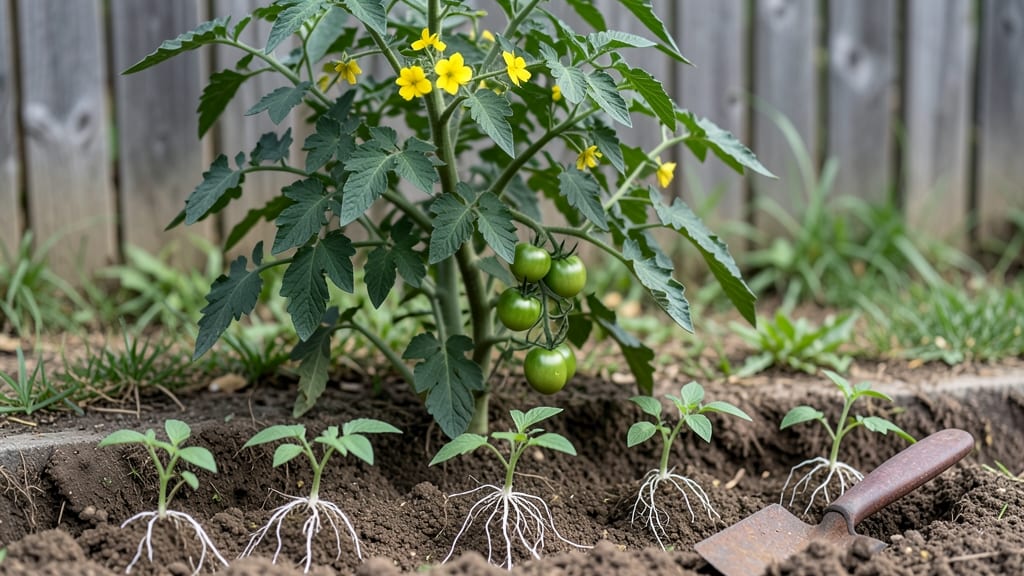
Trench planting tomatoes doubles your harvest in half the space—literally burying your plants underground for stronger roots and bigger fruit. 🌱 I stumbled onto this method after watching my tomato plants struggle in shallow soil, and now I swear by it for compact gardens, urban patios, or anywhere space is tight.
The beauty of this technique is how it mimics nature: deep trenches hold moisture, regulate soil temperature, and give roots room to spread without competing for surface space. You’ll need a shovel, compost, and about 30 minutes to prep—no fancy equipment, just smart soil management.
By summer’s peak, you’ll be harvesting heirloom beefsteaks and cherry tomatoes that outperform traditional planting, all while saving water and reducing disease. The secret’s in the layers: compost-rich soil at the bottom, sturdy stems, and proper spacing to avoid crowding.
Works in containers, raised beds, or directly in garden soil—perfect for beginners or space-challenged gardeners. Once you try it, you’ll never plant tomatoes the old way again.
📚 In This Guide
- What you need
- Instructions
- Tips and common mistakes
- Wrapping up and next steps
What you need
- ● Tomato seedlings or seeds: Choose disease-resistant varieties (e.g., Roma, Cherry, or Beefsteak). For trenches, 4–6 plants per 8-foot trench works well.
- ● Garden trench: Dig a 12–18" deep, 12–18" wide trench (adjust for soil type). Length depends on space—aim for 6–10 feet per row.
- ● Compost or well-aged manure: 2–3 gallons per trench to enrich soil and retain moisture.
- ● Organic mulch: Straw, grass clippings, or leaves (2–3 inches thick) to suppress weeds and conserve water.
- ● Watering can or hose with a gentle spray nozzle: For even moisture distribution.
- ● Garden gloves and knee pads: Protect your hands and joints during digging!
- ○ Stakes or cages (optional but recommended): 5–6 ft tall for indeterminate varieties to support vines.
- ● Drip irrigation system: Automates watering and saves time.
- ● Soil amendments: Perlite or vermiculite (1 part per 3 parts soil) for better drainage.
- ● Fertilizer (balanced or tomato-specific): Apply sparingly—trench planting feeds roots naturally!
- ● Row covers: Protect seedlings from pests or frost early in the season.
Step-by-Step instructions for trench planting tomatoes
Here's how to maximize your garden's potential with this underground technique—ideal for small spaces or heavy producers.
🌱 Step 1: Prepare the Trench and Soil
Choose a location with 6+ hours of sun and dig a trench 12-18 inches deep and 12-18 inches wide, long enough to accommodate your tomato plants 18-24 inches apart. I like to work the soil first by mixing in 2-3 inches of compost along the bottom—this creates a nutrient-rich base where roots will thrive. The trench should be slightly sloped so water drains away from the plants rather than pooling.
Break up any large clumps of soil with a garden fork, but avoid compacting the bottom. You want loose, aerated soil that encourages deep root growth. If your native soil is heavy clay, add a handful of perlite to improve drainage. The goal is to create a welcoming environment for roots to spread horizontally and vertically.
🪴 Step 2: Plant Tomatoes Deeply in the Trench
Place each tomato plant in the trench with its stem 2/3 of the way buried. I gently remove any lower leaves that will end up below soil level—they’ll rot and attract disease. The buried stem will develop new roots, creating a stronger, more stable plant. Space plants 18-24 inches apart along the trench’s length, depending on your variety.
Fill the trench gradually with soil, tamping lightly as you go to eliminate air pockets. Leave the top 2-3 inches of the stem exposed—this ensures the plant can photosynthesize while still encouraging root growth. Water immediately after planting to help settle the soil around the roots and reduce transplant shock.
💧 Step 3: Water and Mulch for Success
Water the trench deeply right after planting to encourage roots to spread into the moist soil. Aim for 1-1.5 gallons per plant, letting the water soak in slowly. Over the next few days, keep the soil consistently moist but not soggy—you’ll know it’s right when the top inch feels damp to the touch. Avoid overhead watering, which can spread disease; instead, water at the base.
Once the plants are established, apply a 2-3 inch layer of mulch over the trench, leaving a small gap around the stems to prevent rot. I use straw because it breaks down slowly, retains moisture, and suppresses weeds. Mulching also keeps soil temperatures stable, which is especially helpful in hot climates where roots can overheat.
✂️ Step 4: Maintain and Support Growth
As your tomatoes grow, add more soil or compost to the trench to bury additional stems up to halfway. This technique, called "hill-up," encourages deeper root systems and more fruit production. I like to do this every 2-3 weeks until the plants reach their full height. Use your fingers to create small pockets in the soil where new roots can form.
Install stakes or cages at planting time to support the plants as they grow. Trench planting creates a wider base, so you may need to tie the stems more securely than with traditional planting. Watch for signs of stress like yellowing leaves or wilting—these often indicate underwatering or poor drainage. Adjust your watering schedule accordingly, aiming for 1-2 inches of water per week, including rainfall.
🌿 Step 5: Harvest and Extend the Season
Tomatoes grown in trenches often produce larger fruit because of their extensive root systems. Harvest when the fruit is fully colored and slightly soft to the touch. I pick in the morning when temperatures are cooler to preserve quality. Cut stems with pruners or scissors to avoid damaging the plant, and remove any diseased or overripe fruit immediately to prevent spreading issues.
To extend the season, add another 1-2 inches of compost to the trench in late summer. This gives the roots a fresh boost of nutrients and encourages late-season growth. If frost threatens, cover the trench with a thick layer of mulch or row fabric to protect the plants and their extensive root systems. With proper care, trench-planted tomatoes can keep producing well into fall.
Tips & tricks for perfect trench-planted tomatoes
These underground growing secrets will transform your tomato harvest—especially in tight spaces or poor soil conditions.
Soil Preparation Secret: For Step 1, test your trench soil by squeezing a handful—it should crumble easily when dry. If it forms a tight ball, you need more perlite or sand to improve drainage. I've found that adding a handful of worm castings along with the 2-3 inches of compost creates an instant root magnet for your tomato plants. This extra boost gives roots the perfect environment to spread horizontally and vertically as instructed.
Planting Depth Technique: In Step 2, when burying stems 2/3 deep, look for the first set of true leaves—they should end up just below soil level. This is where new roots will form most vigorously. I've seen plants develop secondary root systems from these buried stems that can produce 30% more fruit than traditional planting. The key is to keep the top 2-3 inches exposed for photosynthesis while encouraging the buried portion to develop roots.
Watering Wisdom: The 1-1.5 gallons per plant in Step 3 should be applied slowly over 15-20 minutes to prevent runoff. I use a soaker hose positioned along the trench length rather than watering at the base—this creates even moisture distribution across the entire root zone. The goal is to keep that top inch consistently damp, which encourages roots to spread throughout the trench rather than staying concentrated near the surface.
Mulching Mastery: For Step 3's 2-3 inch mulch layer, I recommend using black plastic mulch in hot climates—it warms the soil faster in spring and suppresses weeds better than straw. The critical detail is leaving that small gap around stems to prevent rot while still keeping soil temperatures stable. In my experience, proper mulching can extend the growing season by 2-3 weeks in cooler regions by maintaining consistent soil temperatures.
Pro Tips for Trench Planting Tomatoes
- These underground growing secrets will transform your tomato harvest—especially in tight spaces or poor soil conditions.
- Soil Preparation Secret: For Step 1, test your trench soil by squeezing a handful—it should crumble easily when dry. ...
- Planting Depth Technique: In Step 2, when burying stems 2/3 deep, look for the first set of true leaves—they should e...
Frequently asked questions
Got questions about trench planting tomatoes?
You’re not alone—this method takes some getting used to! Below, we’ve rounded up the most common queries to help you grow like a pro.
What’s the best time to trench plant tomatoes?
Trench planting works best in early spring, once soil temperatures hit 50–60°F (10–15°C) and frost risk has passed. For fall harvests, plant 8–10 weeks before your first frost. Avoid planting too early—cold soil slows root growth, and seedlings may rot.
Can I trench plant tomatoes in containers or raised beds?
Trenching works great in raised beds or large containers (at least 18" deep). Just dig a shallow trench (6–8" deep) along the bed’s edge, plant seedlings, and mound soil around them. Containers need drainage holes, and use lightweight potting mix to avoid compaction.
What if my tomatoes wilt or look stressed after trenching?
Wilting can happen if roots dry out too fast. Water deeply at planting and mulch heavily (straw or grass clippings) to retain moisture. Avoid overhead watering—it can spread disease. If wilting persists, check for pests (like aphids) or root rot (dark, mushy roots).
Do trench-planted tomatoes need less fertilizer?
Not necessarily! Since roots spread horizontally, side-dress with compost or balanced fertilizer (10-10-10) every 4–6 weeks. Work it into the trench walls or mound soil around the base. Avoid over-fertilizing—too much nitrogen = leafy growth, fewer tomatoes!
Can I trench plant other vegetables besides tomatoes?
Yes! This method works well for peppers, eggplants, and even some greens (like kale or Swiss chard). Avoid root crops (carrots, potatoes) or shallow-rooted plants (lettuce). The key is choosing plants that thrive with deep, spread-out roots and plenty of space to expand.
Wrapping up and next steps
Trench planting tomatoes isn’t just a clever space-saving trick—it’s a game-changer for bigger, healthier harvests with less effort! By leveraging the soil’s natural warmth and moisture, you’ll give your plants the perfect foundation for thriving, even in tight spaces.
Whether you’re a seasoned gardener or just starting out, this method proves that smart gardening leads to rewarding results.
Ready to dig in? Start small—try trench planting with one or two tomato varieties this season and watch your confidence (and harvest!) grow. Happy gardening! 🌱🍅