Fertilization
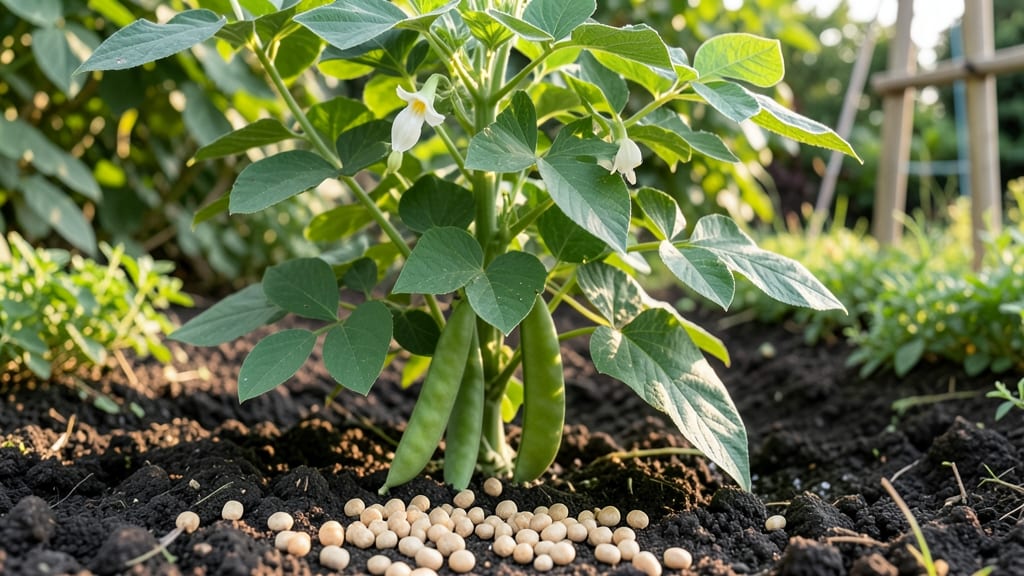
The right bean plant fertilizer can transform your garden from a few sad pods into a thriving, pod-packed paradise—here’s how to pick the perfect one. 🌱
Struggling to get your bean plants to produce abundant, high-quality pods? The secret lies in the right fertilizer ratios—especially nitrogen, phosphorus, and potassium—which directly impact growth, flowering, and yield.
Too much nitrogen can lead to leafy growth but fewer beans, while phosphorus and potassium are the real stars for flowering and pod development.
I’ll show you the exact NPK ratios to use at each stage, from planting to harvest, so you can avoid common mistakes and maximize your bean yield.
Whether you prefer organic options like compost or bone meal or synthetic fertilizers, you’ll discover the best choices for your garden and how to apply them for the best results.
Understanding bean plant fertilizer NPK ratios for optimal pod production
Beans are nitrogen-fixers, meaning they pull nitrogen from the air, but they still need balanced NPK ratios to thrive. The right mix of nitrogen (N), phosphorus (P), and potassium (K) ensures strong roots, vibrant flowers, and heavy pod production.
For example, a 5-10-10 ratio is ideal for most varieties, but timing matters just as much as the numbers.
Each number in an NPK ratio represents the percentage of that nutrient by weight. Nitrogen fuels leafy growth, phosphorus boosts flowering and root development, and potassium strengthens disease resistance and pod fill.
Misbalancing these can lead to lush foliage but few pods—or stunted plants with weak stems. Let’s dive into how to tailor ratios to your bean type and growth stage.
summary-table
For bush beans, focus on a 5-10-10 ratio early on to encourage compact growth and early flowering.
These varieties mature quickly, so avoid high nitrogen late in the season—it can delay pod production. Pole beans, on the other hand, benefit from a slightly higher potassium ratio (5-10-15) during pod development to support their taller, climbing habit and heavier yields.
Timing is critical: Apply phosphorus-heavy fertilizers (like 5-10-10) at planting to promote root growth, then switch to a higher potassium blend (e.g., 10-10-20) when flowers appear. This shift ensures energy goes to pod formation rather than excessive foliage.
Think of it as feeding your plants the right nutrients at the right time—like giving them a balanced meal instead of a heavy carb load.
Organic gardeners can achieve similar results using compost (balanced NPK) and bone meal (high phosphorus) at planting, followed by kelp meal (potassium-rich) during flowering. Synthetic fertilizers offer more precise control, but organic options work beautifully with a little more planning.
For example, a 5-10-10 synthetic blend is easy to find, while organic alternatives like fish emulsion (3-1-1) can be diluted to mimic the same ratios.
Watch for deficiency signs: Yellowing leaves indicate nitrogen deficiency, while purple stems signal phosphorus lack. Potassium deficiency often appears as weak stems or brown leaf edges. Adjust your fertilizer mix accordingly—beans are forgiving but not infinite.
For instance, if your plants are lush but not flowering, reduce nitrogen and increase phosphorus to push them into reproductive mode.
Pro tip: Side-dress with a low-nitrogen fertilizer (like 5-10-10) when plants are about 6 inches tall to avoid shocking the roots. Water thoroughly after applying to help nutrients penetrate the soil.
This method is especially effective for pole beans, which have deeper roots and need consistent nutrient access as they grow taller.
Remember, less is often more with beans. Over-fertilizing—especially with nitrogen—can lead to leafy monsters with few pods. Aim for a moderate approach: feed lightly at planting, boost phosphorus during flowering, and prioritize potassium as pods develop.
Your harvest will thank you with plump, flavorful beans instead of a jungle of green leaves.
Experiment with ratios based on your soil test results. If your soil is already rich in phosphorus, you might skip the bone meal and focus on potassium instead. The key is observation
Best organic and synthetic fertilizers for bean plants compared
Choosing the right bean plant fertilizer can make the difference between a modest harvest and a bountiful yield. Organic fertilizers like compost and bone meal build soil health over time, while synthetic blends offer precise nutrient control.
Let’s compare the top options for pod production, focusing on cost, ease of use, and effectiveness.
For organic gardeners, compost and fish emulsion are popular choices because they improve soil structure and provide balanced nutrition. Synthetic fertilizers, on the other hand, give you exact NPK ratios—like a 5-10-10 blend—to target specific growth stages.
Both have pros and cons, so let’s weigh them side by side to help you decide what works best for your garden.
Organic vs. Synthetic Fertilizers for Bean Plants
Organic Fertilizers
- Pros: Improves soil health, slow-release, eco-friendly
- Cons: Less precise nutrient control, slower results
Synthetic Fertilizers
- Pros: Precise NPK ratios, fast results, cost-effective
- Cons: Can harm soil microbes, risk of over-fertilization
Compost is my go-to organic fertilizer for beans because it’s rich in nutrients and improves soil structure. It’s cost-effective if you make your own, but store-bought versions can be pricier. Apply a 1-inch layer around plants at planting time and again mid-season for steady growth.
On the synthetic side, a balanced NPK blend like 5-10-10 is ideal for beans. The moderate nitrogen prevents leafy growth at the expense of pods, while the higher phosphorus promotes flowering and fruiting. Use 1 tbsp per plant every 4-6 weeks during the growing season.
For a quick nutrient boost, I recommend fish emulsion—it’s packed with nitrogen and micronutrients, and it’s easy to mix into water for a foliar spray. However, it has a strong odor, so apply it on a cool, windless morning to avoid disturbing neighbors.
If you’re growing beans in containers, slow-release granules like Osmocote are a game-changer. They provide steady nutrition over 3-4 months, reducing the need for frequent applications. Just sprinkle them into the soil at planting time and water thoroughly.
No matter which fertilizer you choose, avoid over-fertilizing—beans are legumes and can fix their own nitrogen from the air. Too much nitrogen leads to lush foliage but fewer pods. Always follow package instructions and monitor your plants for signs of stress.
🌱