Planting
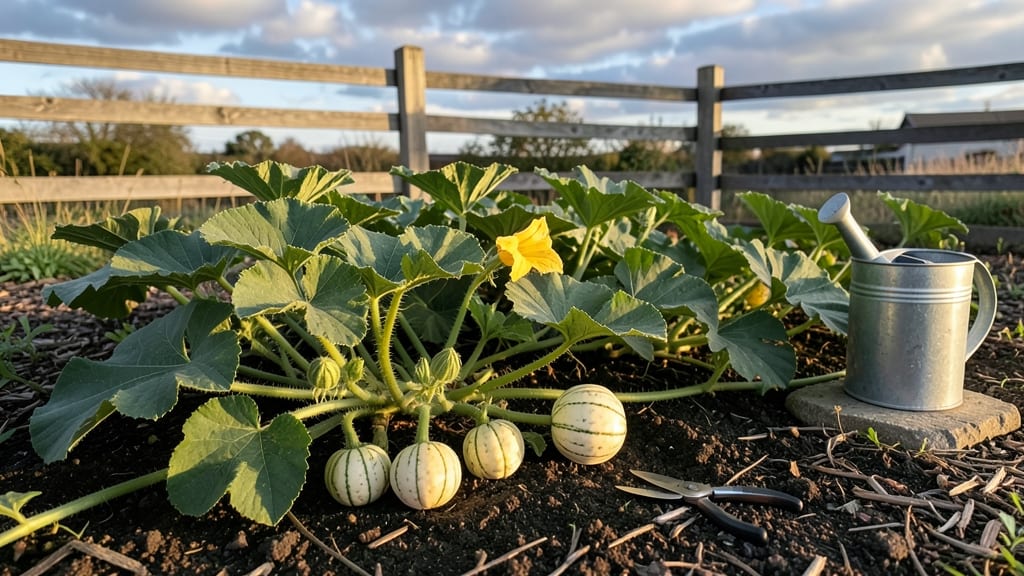
Growing white pumpkin plants that actually stay white is the gardening secret I wish I’d known years ago. 🌻 These aren’t your typical orange vines—they’re delicate, fast-growing, and perfect for small spaces or containers, but they need the right care to keep their ghostly hue.
My first attempt ended with greenish patches, but once I figured out the light, soil, and pruning tricks, they became the star of my patio garden.
The key starts with soil—white pumpkins thrive in well-draining, slightly acidic mix (think compost + coconut coir) and need full sun (6+ hours daily) to prevent color fading. I use 5-gallon fabric pots for my balcony setup, which keeps vines contained while allowing roots to breathe.
Watering’s the tricky part: too much causes rot, but too little makes them bitter—stick your finger in the soil first.
By mid-summer, you’ll see 3-4 inch white fruits forming, and with proper care, they’ll ripen faster than orange varieties. The real magic? Their sweet, nutty flavor holds up better when cooked—perfect for soups or roasting.
Just watch for powdery mildew (spray with neem oil early) and keep those vines off the ground to preserve that pristine white color.
Works year-round in zones 4-10 with proper lighting, and even beginners can nail it. Here’s how to avoid the three mistakes that ruined my first batch—and why your white pumpkins will actually stay white this time.
📚 In This Guide
- What you need
- Instructions
- Tips and common mistakes
- Wrapping up and next steps
What you need
- ● Seeds: 3–5 white pumpkin (Cucurbita pepo or Cucurbita moschata) seeds (e.g., 'Caserta,' 'Jack Be Little,' or 'White Ghost').
- ● Growing Containers: 5–10 gallon pots (or larger for vining varieties) with drainage holes (2–3 containers if growing multiple plants).
- ● Potting Mix: 1–2 bags of well-draining, organic potting soil (or a mix of garden soil + compost).
- ● Fertilizer: Balanced 10-10-10 fertilizer (for seedlings).
- ● Organic compost or worm castings (for ongoing nutrition).
- ● Watering Can or Hose: With a gentle spray nozzle.
- ○ Trellis or Cage: Optional but helpful for compact varieties (e.g., 4–6 ft tall tomato cages).
- ● Pruning Shears: Small, sharp pair for trimming vines.
- ● Mulch: Straw or shredded leaves to retain moisture.
- ● Sunlight: 6–8 hours of full sun daily (south-facing windows or outdoor space).
- ● Temperature: Seeds: 70–90°F (21–32°C) for germination.
- ● Mature Plants: Warmth-loving (60°F/15°C+)—avoid frost!
- ● Space: Compact varieties thrive in 3–5 sq ft per plant; vining types need 10+ sq ft.
- ● Water: Consistent moisture (1–2 inches per week; drought-tolerant once established).
- ● 🌱 Soak seeds overnight to speed up germination.
- ● 🔥 Use black plastic mulch to warm soil and boost growth.
- ● ✨ Harvest when rind turns hard (tap—if it sounds hollow, it’s ready!).
Step-by-Step guide to growing white pumpkins in small spaces
Here’s how to grow these striking vines successfully—even when space is tight.
🌱 Step 1: Choose the Right Variety and Location
White pumpkin varieties like 'Casaba' or 'Jarrahdale' thrive in warm climates but can also grow in containers if you start early. Pick a spot with full sun (6+ hours daily)—even partial shade slows fruit development. I always test soil drainage first by digging a 6-inch hole and filling it with water; if it drains in under an hour, the spot’s ready.
For compact gardens, use 5-gallon containers with at least 12 inches of depth. Place them where vines can sprawl horizontally—trellises work well for small spaces. Avoid windy areas; pumpkins need stability to grow heavy fruit.
🌿 Step 2: Prepare Soil and Plant Seeds
Pumpkins need rich, well-draining soil with a pH of 6.0-6.8. Mix 2 parts potting mix with 1 part compost and a handful of slow-release fertilizer (like 10-10-10) per container. If planting in ground, amend the soil with 3 inches of compost and till it in.
Sow seeds 1 inch deep after the last frost when soil reaches 70°F. Space seeds 2 feet apart in ground beds or plant 1 seed per container. Water gently until soil is moist but not soggy—overwatering causes rot. Cover seeds with a thin layer of mulch to retain warmth.
☀️ Step 3: Train Vines and Monitor Growth
Once seedlings emerge, thin to the strongest plant per container or hill. Use soft pruners to snip weak stems at the base. For trellised growth, guide the main vine along the support and remove side shoots to focus energy on fruit production.
Water at the base 1-2 inches deep weekly, increasing to 3 inches as fruit develops. You’ll know it’s time when the soil feels dry 1 inch below the surface. Avoid wetting leaves to prevent fungal diseases like powdery mildew.
✂️ Step 4: Prune and Harvest for Best Results
When vines reach 6 feet long, prune back 1/3 of the growth to encourage bushier, fruit-bearing vines. Remove any yellowing leaves or damaged stems immediately—pumpkins are heavy feeders and need healthy foliage.
Harvest when the stem near the fruit turns brown and the rind can’t be pierced with a fingernail. For white varieties, this usually happens 80-100 days after planting. Cut stems with 2 inches of vine attached and cure in a dry, shaded spot for 10 days to develop flavor.
Tips & tricks for perfect white pumpkin plants in compact gardens
Transforming limited space into a thriving white pumpkin garden takes a few strategic moves—here's what I've learned after growing them in containers and small plots.
Soil Secrets: The 2:1 ratio of potting mix to compost in Step 2 is non-negotiable for container growing. I've found that adding a handful of perlite to that mix improves drainage even more, especially in 5-gallon containers where water can pool. For ground planting, consider adding a 1-inch layer of coarse sand to your amended soil to prevent compaction around those heavy vines.
Heat Hack: Those 70°F soil temperatures in Step 2 are crucial for germination, but don't worry if your spring nights are still chilly. I've had great success using clear plastic domes over containers to create mini greenhouses—just remove them during the day once seeds sprout. For ground planting, choose south-facing locations where soil warms faster.
Container Strategy: When using 5-gallon containers, I recommend adding a 2-inch layer of gravel at the bottom before planting. This creates space for roots to expand downward while preventing waterlogging. Also, place containers on casters or wheels—you'll need to rotate them weekly to ensure even sun exposure as the vines grow.
Vine Management: In Step 3, when training vines on trellises, I've found that using soft garden twine to loosely tie the main vine to the support prevents damage. For the 6-foot pruning point in Step 4, I mark the vines with colored tape at planting time to track growth visually—this helps me prune at exactly the right moment without guessing.
Pro Tips for White Pumpkin Plant
- Transforming limited space into a thriving white pumpkin garden takes a few strategic moves—here's what I've learned ...
- Soil Secrets: The 2:1 ratio of potting mix to compost in Step 2 is non-negotiable for container growing. I've found t...
- Heat Hack: Those 70°F soil temperatures in Step 2 are crucial for germination, but don't worry if your spring nights ...
Frequently asked questions
Got questions about growing white pumpkin plants? You’re not alone! Whether you’re a beginner or a seasoned gardener, these FAQs will help you navigate everything from planting to harvest. Let’s dive in!
How long does it take for white pumpkin plants to produce fruit?
White pumpkin plants typically take 75–100 days to mature, depending on the variety and growing conditions. Compact or bush varieties may fruit slightly faster (around 70 days), while larger vining types could take closer to 100 days. Start seeds indoors 2–3 weeks before your last frost for an earlier harvest!
Can white pumpkin plants grow in containers?
Compact white pumpkin varieties (like ‘Baby Boo’ or ‘Jack Be Little’) thrive in containers as long as the pot is at least 5 gallons and has drainage holes. Use a lightweight potting mix, and place the container in full sun (6+ hours daily). Just be prepared for faster watering needs in pots!
What are the most common pests for white pumpkin plants?
Watch out for cucumber beetles, squash bugs, and aphids—they love white pumpkins too! Use row covers early in the season to deter pests, and handpick beetles or squash bugs when you spot them. Neem oil or insecticidal soap can also help. Rotate crops yearly to reduce long-term pest issues.
Do white pumpkin plants need winter care?
White pumpkin plants are annuals and won’t survive frost, but you can extend their life (and harvest) by bringing potted plants indoors before temperatures drop below 50°F (10°C). If growing in the ground, harvest all fruit before the first frost. In warm climates, some varieties may produce year-round with proper care!
Are white pumpkins as nutritious as orange pumpkins?
Yes! White pumpkins (like ‘Casper’ or ‘White Ghost’) have similar nutritional benefits to orange varieties, including fiber, vitamin A, and antioxidants. They’re often lower in sugar, making them a great choice for diabetics or those watching their carb intake. Plus, their mild, nutty flavor is a hit in soups and roasted dishes!
Wrapping up and next steps
Growing white pumpkin plants is a rewarding way to bring vibrant color and delicious harvests to even the smallest garden—no sprawling vines required! 🌱 Whether you’re drawn to their striking blooms, nutritious fruit, or space-saving appeal, these plants prove that big flavors (and fun!) fit in compact spaces.
With the right materials, a little patience, and a few clever tricks, you’ll soon be enjoying homegrown white pumpkins year-round.
Ready to dive in? Start by sketching your garden layout—mark where your white pumpkins will thrive, then gather your supplies and plant with confidence. Before you know it, you’ll be sharing your harvest with neighbors (or your favorite recipes!). Happy growing! 🎉