Plants
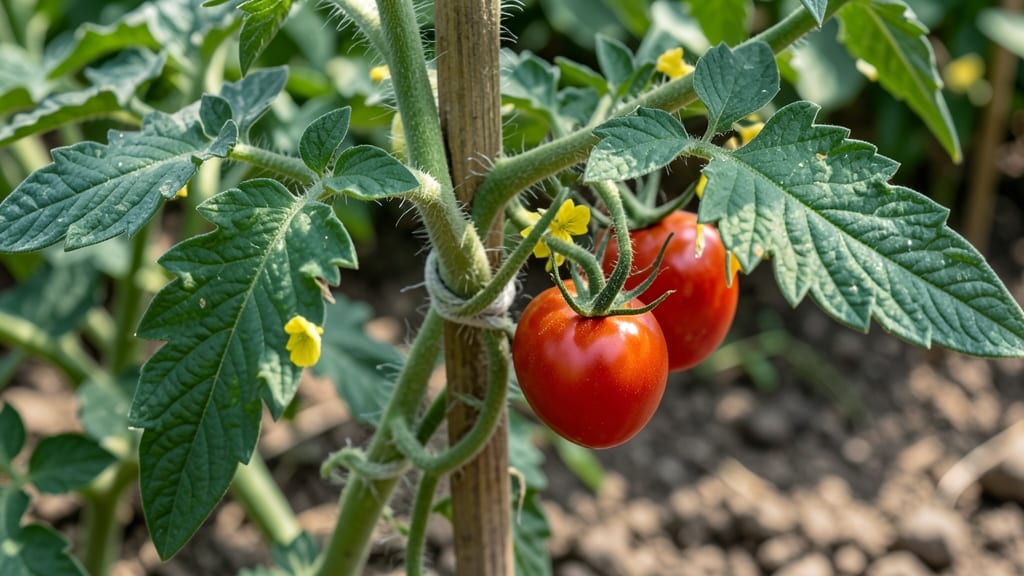
Protecting deer tomato plants demands physical barriers like tall fencing, repellent sprays, or elevated planters, since deer are naturally attracted to their aromatic foliage and succulent stems. Relying solely on deer-resistant varieties won't stop determined browsers.
Deer have an uncanny ability to sniff out tomato plants from 100 yards away, thanks to their keen sense of smell and preference for sweet, tender vegetation. 🌿 Unlike hardy perennials, tomatoes offer both nutrition and easy access, making them a prime target—especially during dawn and dusk when deer forage.
Even "deer-resistant" varieties often fall prey if no barriers exist, as hunger and curiosity override any natural aversion.
Physical solutions like 8-foot fencing or mesh wraps create immediate protection, while raised beds add height that deer typically avoid. The key is combining multiple methods: fencing blocks access, repellents deter, and regular monitoring prevents new damage.
I’ve seen firsthand how a single missed patch can lead to total crop loss within days.
💡 In This Article
- Why Deer Target Tomato Plants More Than Others
- Top 5 Physical Barriers to Protect Tomato Plants
Why deer target tomato plants more than others
Tomato plants emit a complex blend of volatile organic compounds (VOCs) that deer find irresistible. The sweet, fruity aroma—especially from varieties like 'Sweet 100' or 'Cherry Tomatoes'—contains high levels of limonene and linalool, compounds that mimic the scent of ripe fruit.
Deer, with their 17 times more sensitive sense of smell than humans, detect these compounds from 1/4 mile away, making tomato gardens a beacon during foraging hours.
The tender, hairless foliage of tomato plants offers another key attraction. Unlike rougher plants such as rosemary or lavender, tomato leaves have a delicate, waxy texture that's easy for deer to nibble without resistance.
Additionally, tomato stems contain 15-20% moisture, providing hydration during dry seasons—a critical factor when competing with other garden plants like kale (which has a fibrous, less appealing structure). This combination of scent, texture, and nutrition makes tomatoes a high-priority target.
Seasonal behavior further explains why tomato plants suffer more damage. In spring and early summer, deer prioritize fresh, protein-rich greens, while in late summer, they seek out the higher sugar content in ripening tomatoes.
A study from the University of Wisconsin found that deer browsing intensity on tomato plants peaks in June and July, coinciding with the plants' most vulnerable growth stages—when they're producing new leaves and flowers. This timing aligns with when tomatoes are most aromatic and nutritious.
Comparing tomato plants to other garden favorites reveals why they're uniquely vulnerable. While deer might nibble on marigolds or nasturtiums, these plants contain natural repellents like pyrethrins. Tomatoes, however, lack these defenses and instead produce volatile esters that actually attract wildlife.
Even deer-resistant varieties like 'Deer Resistant Bell' can't fully deter hungry deer when physical barriers are absent, as the plants' overall appeal remains strong.
What most gardeners don't realize is how deer's browsing habits create a feedback loop. When deer sample tomato foliage, they're drawn back by the plant's increased sugar production as a stress response—similar to how humans crave sweeter foods when under pressure.
This cycle explains why a single deer visit can lead to 80% defoliation within 48 hours if left unchecked. The plant's natural defenses simply can't compete with a deer's foraging instincts.
Understanding this science helps explain why physical barriers remain the most reliable solution. While repellents might work temporarily, they can't override the biochemical attraction of tomato plants. The key is creating a multi-layered defense that disrupts all three attraction factors: scent, texture, and nutritional value.
This is why fencing, raised beds, and even copper tape (which creates an unpleasant sensation) are so effective—they remove the deer's ability to access the plants entirely.