
Pruning
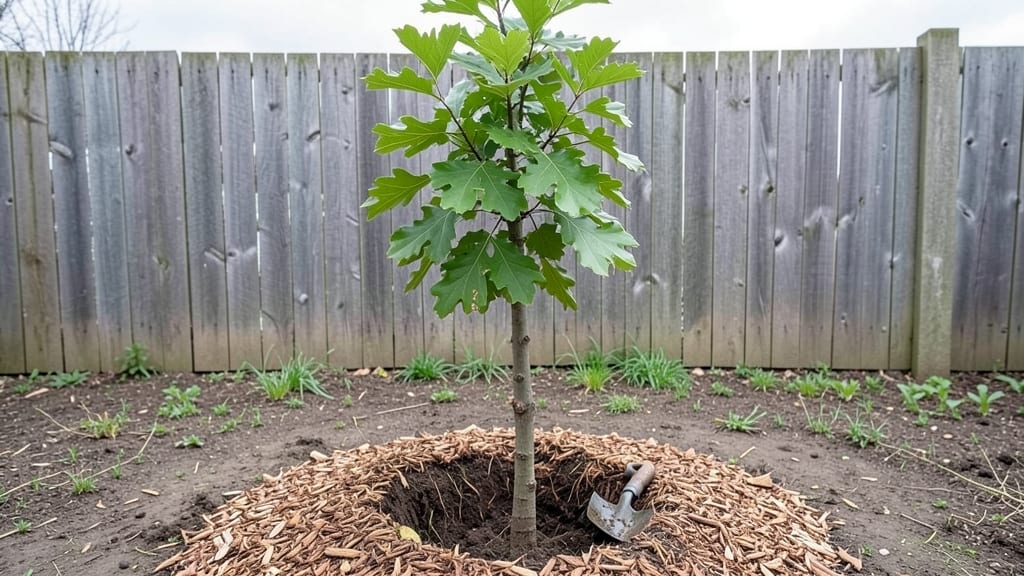
Planting a tree as part of your wedding isn’t just a trend—it’s a love story that grows with you. 🌿 I’ve designed weddings where guests plant a sapling together, creating a living legacy that outlasts the ceremony itself.
The right tree turns your venue into a romantic arboretum, its branches framing vows and its roots symbolizing commitment.
Think fast-growing magnolias for instant drama or slow-burning oaks for generational meaning. We’ve used Japanese maples for delicate canopies and fruit trees as edible gifts for guests.
The key is choosing species that thrive in your climate and match the wedding’s aesthetic—whether that’s a lush, wild garden or a structured, formal grove.
Your guests will leave with more than just memories—they’ll have a stake in something tangible. Imagine the photos: bridal parties planting saplings under a floral arch, or a sunset ceremony where the trees cast golden light on the couple.
The best part? That tree becomes part of your life story, growing stronger with each anniversary.
Seasonal timing matters—spring plantings establish roots before summer heat, while fall gives trees time to settle before winter. And don’t overlook the details: mulch for protection, stakes for support, and a small plaque to mark the occasion.
This isn’t just decor; it’s a promise to the earth and to each other.
📚 In This Guide
- What you need
- Instructions
- Tips and common mistakes
- Wrapping up and next steps
What you need
- ● Tree saplings: 50–100+ (species like dogwood, magnolia, or fruit trees for symbolism; ensure they’re bare-root or potted for easy planting).
- ● Shovels/spades: 10–15 (lightweight, ergonomic for guest participation).
- ● Garden gloves: 20–30 pairs (sized for adults and kids if including children).
- ● Compost/soil: 5–10 bags (high-quality, organic mix for nutrient-rich planting).
- ● Watering cans or hoses: 5–10 (for immediate hydration post-planting).
- ● Stakes & ties: 50+ (to support young trees; bamboo or biodegradable options).
- ● Mulch: 10–15 yards (wood chips or straw to retain moisture).
- ● Permits: Check local regulations for planting on private/public land (some areas require approval).
- ● Guest instructions: Printed cards with planting steps (e.g., “Dig a hole twice as wide as the root ball!”).
- ○ Optional: Personalized tree tags (engraved with names/dates for a keepsake).
- ● Seedling pots for guests to take home (e.g., wildflower seeds as favors).
- ● Portable signage (e.g., “Planting Love for [Last Name]” for photos).
How to design a tree planting wedding arboretum
Here's how to create a living love story that grows with your marriage.
🌱 Step 1: Choose Your Tree Species for Symbolism and Growth
Select trees that represent your relationship and thrive in your climate. A Japanese Maple symbolizes love and endurance, while a Dogwood represents purity and strength. For fast-growing romance, opt for a Crabapple—its blossoms bloom quickly and create a stunning canopy.
Consider mature size: a 20-foot tree like a Redbud provides shade and beauty now, while a 10-foot tree like a Dwarf Korean Lilac offers immediate impact. Check your wedding venue's soil type—some trees prefer acidic soil (like Azaleas) while others thrive in alkaline (like Crepe Myrtles).
🪴 Step 2: Plan the Layout for Optimal Growth and Aesthetics
Design your arboretum with 4 main trees as focal points, spaced 15-20 feet apart to allow mature growth without crowding. For a heart-shaped design, plant two trees 10 feet apart at the base and one 15 feet above as the apex. Add 3-4 smaller ornamental trees around the perimeter for depth.
Include garden paths (2-3 feet wide) between trees for easy access and future maintenance. Position benches or seating areas under future canopies where guests can gather. Sketch your design on graph paper first—this helps visualize the mature size contrast between fast-growing and slow-maturing species.
☀️ Step 3: Prepare Planting Sites for Long-Term Success
Dig holes twice as wide as the root ball but only as deep as the container's root base. Amend the native soil with 3 gallons of compost mixed into the bottom of each hole to improve drainage and fertility. For clay soil, add 2 inches of coarse sand to the hole's bottom.
Remove trees from containers and gently loosen roots if circling the root ball. Place each tree in its hole so the top of the root ball sits 1-2 inches above ground level—this prevents settling and potential waterlogging. Backfill with native soil, tamping lightly every 6 inches to eliminate air pockets.
💧 Step 4: Plant and Establish Your Wedding Arboretum
Water each tree immediately after planting with 5 gallons of water, soaking the entire root zone. Install tree stakes for trees over 15 feet tall at maturity, securing with 3 straps spaced evenly around the trunk. Apply 2 inches of mulch (wood chips or shredded bark) in a 3-foot diameter circle around each tree, keeping mulch 6 inches away from the trunk.
Schedule weekly watering for the first month, then reduce to every 10-14 days during dry spells. Monitor soil moisture by checking 2 inches below the surface—it should feel slightly damp but not soggy. Avoid fertilizing for the first season to prevent root burn in newly planted trees.
⏰ Step 5: Maintain and Celebrate Your Living Love Story
Schedule annual pruning in late winter to remove dead branches and shape the trees. Fertilize in early spring with slow-release granular fertilizer (apply according to package rates). Take annual photos of your arboretum to track growth and document your wedding's living legacy.
Invite guests to participate in future plantings—perhaps a 1-year anniversary addition or decade milestone tree. Include a small plaque with each tree listing the planting date, species, and a personal message. Your arboretum will mature into a stunning, everlasting symbol of your love.
Tips & tricks for perfect tree planting wedding arboretum
Creating a living love story with your wedding arboretum means paying attention to details that will make all the difference in the long run.
Species Selection Matters: When choosing your 4 main trees, consider not just their mature size but also their seasonal interest. A Japanese Maple offers stunning fall colors, while a Dogwood provides beautiful spring blooms. For immediate impact, pair a fast-growing Crabapple with a slower-maturing Redbud—this creates visual interest from day one. I always recommend testing soil pH at your venue first; some trees like Azaleas need acidic soil, while others like Crepe Myrtles thrive in alkaline conditions.
Design with Future Growth in Mind: That heart-shaped layout with trees 10 feet apart at the base and one 15 feet above sounds romantic now, but will it work when those trees reach their mature heights? Use graph paper to sketch your design at full scale—this helps visualize how the canopy will develop over time. I learned this the hard way when a couple's trees grew too close together, requiring expensive pruning just five years later.
Planting Technique is Critical: The 1-2 inches above ground level positioning for the root ball might seem small, but it's essential for preventing waterlogging. When backfilling, tamp the soil every 6 inches to eliminate air pockets—this ensures proper root contact with the soil. For clay soil, that 2 inches of coarse sand at the bottom makes all the difference in preventing root rot.
Watering Strategy Makes All the Difference: That first month of weekly watering is crucial for establishing roots. I recommend using a soaker hose for the 5 gallons per tree to ensure even moisture penetration. After that initial month, checking soil moisture 2 inches below the surface gives you a better indication of when to water than just looking at the surface. The goal is slightly damp, not soggy—this prevents both drought stress and root rot.
Pro Tips for Tree Planting Wedding
- Creating a living love story with your wedding arboretum means paying attention to details that will make all the difference in the long run.
- Species Selection Matters: When choosing your 4 main trees, consider not just their mature size but also their seasonal interest.
- Design with Future Growth in Mind: That heart-shaped layout with trees 10 feet apart at the base and one 15 feet above sounds romantic now, but will it work when those trees reach their mature heights?
Frequently asked questions
Got questions about turning your big day into a tree-planting celebration? We’ve got answers! Here are some of the most common queries couples ask before committing to a tree planting wedding—because every detail counts when you’re blending romance with roots.
How do we choose the right tree species for our wedding?
Select trees that thrive in your climate and symbolize your love—like a dogwood (purity) or oak (strength). Consult a local arborist to pick fast-growing, low-maintenance varieties. Avoid invasive species; opt for native plants to honor the land and ensure longevity. Pro tip: Deciduous trees offer seasonal beauty, while evergreens provide year-round symbolism!
What’s the best time of year to plant a wedding tree?
Fall (September–November) or early spring (March–April) are ideal—soil is workable, and roots establish before extreme weather. Avoid winter (dormancy) or summer (heat stress). If your wedding is in peak season, plan a ceremonial planting after the ceremony with a local nursery’s help to ensure survival.
How much does a tree planting wedding add to the budget?
Costs vary! A single ceremonial tree (e.g., a sapling) may run $20–$100, while a full arboretum design (multiple trees + landscaping) can be $500–$5,000+. Factor in permits (check local rules!), soil amendments, and post-wedding care. Budget hack: Partner with a reforestation org—they often donate trees or labor for symbolic plantings!
What if our tree doesn’t survive? How do we troubleshoot?
First, ensure proper planting depth (root flare exposed) and watering (1–2 inches weekly for the first year). Mulch generously but avoid piling against the trunk. If leaves yellow or wilt, check for pests or overwatering. Most trees need 1–2 years to stabilize—patience is key! Document the process with guests for a heartfelt keepsake.
Can we still have a tree planting wedding if we’re not outdoors?
Urban couples can plant trees in potted containers (ceremonial planting) or collaborate with city parks for a future planting in your honor. Alternatively, donate to a tree-planting charity during your vows—many offer digital certificates or commemorative markers. Creative twist: Plant a bonsai tree together as a living symbol of your union!
Wrapping up and next steps
A tree planting wedding isn’t just a celebration—it’s a legacy of love, rooted in the earth and nurtured by time. 🌱 From selecting meaningful saplings to designing an arboretum that tells your story, every detail reflects your commitment to sustainability and romance.
Whether you’re dreaming of a rustic woodland ceremony or a modern garden escape, this visionary approach ensures your big day leaves a lasting impact—both on your guests and the planet.
Ready to turn your vision into reality? Start by sketching your arboretum layout or reaching out to a local arborist to bring your tree-planting dream to life. Your future self—and the trees—will thank you! 💚