
Plants
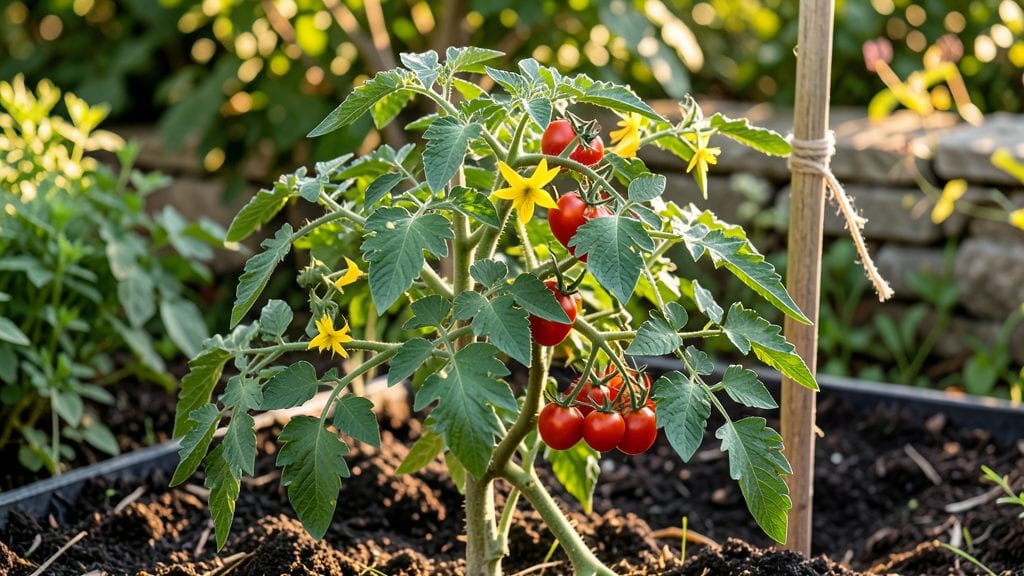
Revitalizing tomato plant health starts with spotting the early warning signs—drooping leaves, brown blotches, or blossoms that rot before they set fruit. 🌱 I’ve nursed back dozens of plants from these exact issues, and the fixes are simpler than you’d think, once you know what’s really going on beneath the soil and stems.
The biggest mistakes? Ignoring watering patterns or assuming every leaf spot is blight. Overwatering leads to blossom rot, while underwatering causes wilting that looks like disease. My plants now thrive because I check soil moisture with my finger—not just when the surface feels dry—and adjust mulch to keep roots steady.
It’s about balance, not guesswork.
You’ll see crisp, green leaves within days of fixing water or nutrient issues, and blossoms that actually turn into tomatoes instead of mush. The key is acting fast: prune damaged foliage immediately, use a vinegar spray for fungal spots, and side-dress with compost for hungry plants.
No harsh chemicals needed—just smart care.
Works for container tomatoes, trellised vines, or sprawling backyard beds. The same principles apply whether you’re dealing with early blight in July or aphid pressure in June. Let’s get those plants back to producing like champs.
Root Causes Of Tomato Struggles
Tomato plants are resilient, but they can quickly fall victim to stress when conditions go awry. Understanding the why behind common issues—like wilting leaves or blossom rot—helps you take precise action. Below, we break down the science behind these problems and what triggers them in your garden.
Tomatoes thrive in warm (70–85°F) but not scorching conditions. Too much heat or cold disrupts their cellular functions, leading to:
- Wilting in Heat: High temperatures (>90°F) cause stomatal closure (tiny leaf pores shut) to conserve water, making leaves droop even when soil is moist.
The plant’s transpiration rate (water loss) skyrockets, but roots can’t keep up. - Cold Stress: Below 50°F, tomato enzymes slow down, stunting growth.
Frost damages cell walls, causing blackened, mushy leaves (a sign of cold injury). - Humidity Mismatches: Low humidity (<40%) leads to rapid moisture loss, while high humidity (>80%) traps fungal spores (like Phytophthora, which causes blossom end rot).
Actionable Fix: Use shade cloth in peak sun, mulch to regulate soil temps, and space plants for airflow.
Tomatoes are 95% water—but inconsistent watering throws their system into chaos.
- Underwatering: Leaves curl inward (to reduce water loss), turn crispy, and may yellow at the edges (a sign of chlorosis). Roots shrink, starving the plant of nutrients. - Overwatering: Soggy soil cuts off oxygen, leading to root rot (Pythium or Phytophthora).
Blossom end rot flares up because calcium can’t move through waterlogged roots. - Inconsistent Moisture: Fluctuating soil moisture stresses roots, causing blossom drop (flowers abort before fruiting).
Actionable Fix: Water deeply 1–2x/week (1–1.5 inches total), using drip irrigation to keep soil evenly moist.
Tomatoes are heavy feeders, and imbalances show up fast:
| Symptom | Cause | Fix |
|---|---|---|
| Yellow leaves (oldest first) | Nitrogen deficiency (chlorosis) | Side-dress with compost or blood meal. |
| Purple stems/leaves | Phosphorus deficiency | Add bone meal or rock phosphate. |
| Brown leaf edges | Potassium deficiency | Use banana peel tea or greensand. |
| White crust on soil | Salt/boron toxicity | Flush soil with water; test pH. |
| Stunted growth | Calcium deficiency (blossom rot) | Apply crushed eggshells or gypsum. |
Pro Tip: 💡 Test soil pH (ideal: 6.0–6.8). Tomatoes need calcium, magnesium, and micronutrients—don’t skip Epsom salt (magnesium sulfate) sprays!
Hidden invaders steal nutrients and block sunlight:
- Aphids/Spider Mites: Pierce leaves, sucking sap and spreading viral diseases (e.g., tomato mosaic virus).
Leaves yellow, curl, and stunt. - Fungal Infections (Early Blight, Late Blight): - Early Blight (Alternaria) thrives in hot, dry conditions, causing concentric brown spots on lower leaves. - Late Blight (Phytophthora) spreads in cool, wet weather, turning leaves black and greasy (like oil). - Blossom End Rot: Not a pest, but fungal/bacterial (often Botrytis or Pythium) enters through cracked fruit due to calcium starvation.
Actionable Fix: Remove infected leaves, use neem oil for pests, and copper fungicide for blight. Rotate crops yearly to break disease cycles.
Even well-cared-for tomatoes suffer from mechanical damage:
- Wind/Storm Damage: Tears leaves, exposing them to sunscald (white/yellow patches from direct sun) or fungal entry points.
- Poor Pruning: Over-pruning removes food-producing leaves, while aggressive staking can bruise stems, inviting rot.
- Transplant Shock: Roots damaged during moving cause wilting for 1–2 weeks as they regrow.
Actionable Fix: Stake gently, prune selectively (remove only diseased/succulent growth), and harden off seedlings before planting.
Quick Fixes for Common Tomato Problems
When your tomato plants show signs of distress—whether it’s drooping leaves, spots, or rot—acting fast can save your harvest. Below are practical, step-by-step solutions tailored to the most common issues, plus prevention tips to keep your plants thriving. Think of these as your tomato plant’s first-aid kit!
🔥 Cause: Too much water, poor drainage, or lack of nitrogen. 🍳 Fix It Fast:
- Check the soil moisture – Stick your finger 1-2 inches deep. If damp, hold off on watering.
- Improve drainage – Mix in perlite or compost to loosen heavy soil. Elevate pots if needed.
- Fertilize lightly – Use a balanced fertilizer (10-10-10) or compost tea to replenish nutrients.
- Prune affected leaves – Remove yellowed foliage to redirect energy to healthy growth.
💡 Prevention Tip:
- Water deeply but infrequently—aim for 1-2 inches per week. Mulch to retain moisture without soggy roots.
🌡️ Cause: Irregular watering or calcium shortage causes dark, sunken spots on fruit. 👨🍳 Treat It Now:
- Apply calcium-rich amendments – Sprinkle crushed eggshells or use a calcium supplement (like gypsum) around the base.
- Water consistently – Keep soil evenly moist; avoid letting it dry out completely.
- Harvest early – Pick affected fruits to prevent further rot and save healthy blossoms.
✨ Prevention Tip:
- Test soil pH (ideal: 6.0–6.8) and amend with lime if needed. Use a slow-release fertilizer to stabilize calcium levels.
🔪 Deal with Them Organically:
- Blast off pests – Spray plants with a strong stream of water to dislodge aphids or eggs.
- Introduce beneficial insects – Ladybugs or lacewings eat aphids; parasitic wasps target hornworms.
- Neem oil spray – Mix 1 tsp neem oil + 1 tsp mild soap in 1 quart water. Spray undersides of leaves.
- Handpick hornworms – Check leaves daily and drop them in soapy water.
🎯 Prevention Tip:
- Plant companion crops like basil or marigolds to repel pests. Inspect plants weekly for early signs.
🌡️ Stop the Spread:
- Remove infected leaves – Prune and destroy affected foliage (don’t compost it!).
- Improve airflow – Space plants 18–24 inches apart and stake them to reduce humidity.
- Spray copper fungicide – Use a natural option like copper soap or baking soda mix (1 tbsp baking soda + 1 quart water + a drop of soap).
- Water at the base – Avoid wetting leaves to prevent spore growth.
💡 Prevention Tip:
- Rotate crops yearly and choose disease-resistant tomato varieties (e.g., ‘Celebrity’ or ‘Mountain Merit’).
Most tomato troubles are fixable with quick adjustments—just match the symptom to the solution! For stubborn issues, act within 24–48 hours to prevent spread. Your future salads (and sauces) will thank you. 🍅😉
Frequently asked questions
Why are my tomato leaves turning yellow first on the oldest ones?
This classic sign usually means nitrogen deficiency—your plant is starving for this key nutrient. Older leaves yellow first because the plant redirects nutrients to new growth. Fix it by side-dressing with compost or using a balanced organic fertilizer (like fish emulsion). Yellowing at the edges could also signal potassium deficiency or overwatering.
How can I tell if my tomato plant is overwatered vs. underwatered?
Check the soil and leaves: Overwatered plants have soggy soil, yellowing leaves, and may develop root rot (mushy stems). Underwatered plants have dry, crispy leaves that curl inward, and the soil pulls away from pot edges. The best test? Stick your finger 2 inches deep—if it's damp, hold off on watering; if dry, it's time to hydrate.
What's the fastest way to fix blossom end rot on my tomatoes?
Blossom end rot is caused by calcium deficiency (often from inconsistent watering). Sprinkle crushed eggshells around the base and water deeply 2x/week to keep soil evenly moist. For immediate help, harvest affected fruits and apply a calcium supplement (like gypsum) to the soil. Test your soil pH—it should be between 6.0–6.8 for best calcium uptake.
Are my tomato plants getting enough sunlight if they're in containers?
Tomatoes need 6–8 hours of direct sun daily—containers can overheat or block light. If your plants look leggy or fruits are small, they're light-deprived. Move pots to a sunnier spot (south-facing is ideal) or use a reflective surface (like white boards) beneath containers to bounce light upward. Rotate pots weekly for even growth.
Can I still save my tomato plant if it's covered in brown spots?
It depends! If spots are concentric circles (early blight), prune infected leaves immediately and improve airflow. For greasy black spots (late blight), act fast—remove all infected foliage and spray with copper fungicide. If caught early, healthy growth can recover. For severe cases, consider replacing the plant to prevent spread to other garden areas.