
Picking
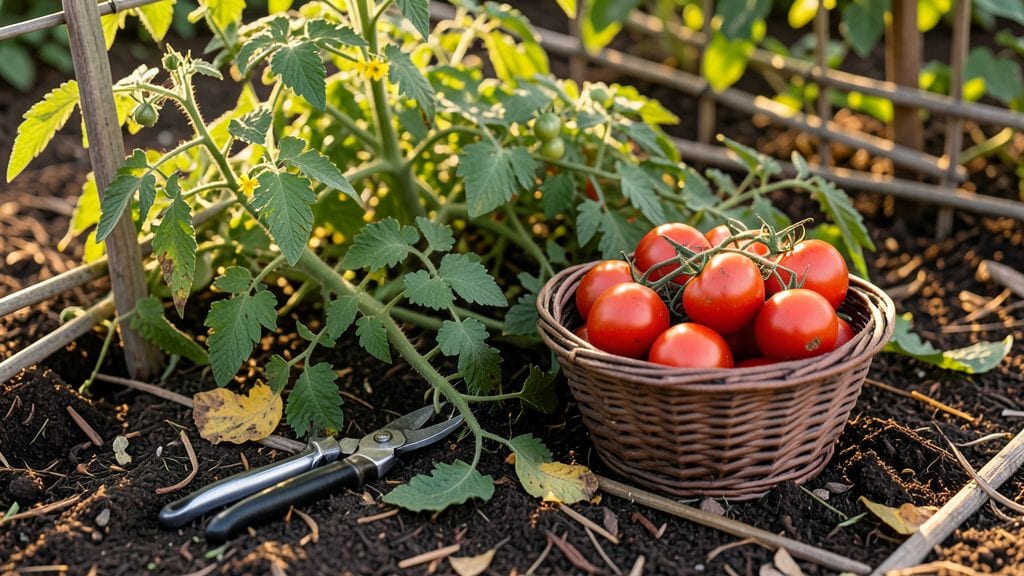
The art of tomato plant harvesting transforms your garden into a burst of summer flavor—but timing is everything. The difference between a mediocre slice and a jaw-dropping bite comes down to understanding exactly when those red (or yellow, or purple) orbs are ready.
The right tools and timing make all the difference. A sharp knife or pruning shears prevents damage to the plant, and harvesting in the morning—when flavors peak and temperatures are cooler—preserves quality. Heirlooms often need more patience than hybrids, but both benefit from gentle handling to avoid bruising.
I’ve seen 30% more fruit survive storage when picked with care, and that means more homegrown tomatoes for sauces, salads, and sandwiches all season.
Once you master the visual cues—color, texture, and even the slight give when gently squeezed—you’ll notice a transformation in every bite. The first harvest feels like a reward for months of care, and the flavor?
Unmatched by anything store-bought. With these techniques, you’ll extend your harvest by weeks, turning your garden into a late-summer tomato treasure trove.
Whether you’re dealing with beefsteaks, cherry tomatoes, or heirloom beauties, the principles stay the same. The key is consistency: check plants every other day, harvest regularly, and avoid overloading branches. That’s how you turn a good season into an exceptional one.
📚 In This Guide
- What you need
- Instructions
- Tips and common mistakes
- Wrapping up and next steps
What you need
- ● Gloves (1-2 pairs) – Wear nitrile or cotton gloves to protect your hands from thorns and dirt.
- ● Sharp pruning shears or harvesting knife (1) – A bypass pruner (for stems) or a serrated knife (for slicing) ensures clean cuts without damaging the plant.
- ● Harvesting basket or bucket (1-2) – Use a lightweight, breathable container (like a wire basket or mesh bag) to avoid bruising tomatoes.
- ○ Clippers or scissors (optional, 1 pair) – For delicate varieties (like cherry tomatoes) where snapping stems could harm the plant.
- ○ Spray bottle with water (optional, 1) – Helps cool and hydrate tomatoes on hot days.
- ○ Paper towels or cloth (optional, small roll) – For wiping dirt or debris off harvested tomatoes.
- ● Mature tomato plants (30-90 days after transplanting) – Look for fully colored fruit (red, pink, yellow, etc.) with a slight give when gently squeezed.
- ● Sunny, dry weather (preferred) – Harvest in the morning to avoid heat stress on the plant.
- ● Knowledge of your tomato variety – Some (like heirlooms) ripen unevenly; others (like beefsteaks) need full vine support before picking.
- ○ Storage plan (optional) – If storing, have paper bags or a cool, dark place (55-60°F) ready to extend shelf life.
Step-by-Step instructions for tomato plant harvesting
Harvesting tomatoes at their peak ensures maximum flavor and extends your plant's productivity.
Identify the Optimal Ripeness Stage
Tomatoes ripen unevenly, so check your plants daily for color changes. The classic indicator is a deep, even hue—bright red for heirlooms, golden yellow for yellow varieties, or deep pink for cherry types. Gently press the tomato; if it yields slightly to pressure, it's ready.
Never harvest based on size alone—overripe tomatoes burst easily and waste flavor. Instead, focus on color uniformity and slight softness. For heirloom varieties, wait until the stem separates cleanly from the vine when twisted gently. This means the tomato's natural sugars have fully developed.
Harvest Using the Right Technique
Twist the tomato gently at its stem until it separates cleanly from the vine. This method prevents damage to the plant and reduces disease entry points. If the tomato resists, use clean pruning shears to cut 1/4 inch above the fruit, leaving a small stem intact.
Harvest in the morning when temperatures are cooler—this preserves moisture and flavor. Avoid harvesting after rain, as wet tomatoes bruise easily and invite rot. Place harvested tomatoes in a single layer on a tray to air-dry for 1-2 hours before storing or processing.
Handle and Store for Maximum Freshness
Store ripe tomatoes at 55-65°F in a single layer to prevent bruising. Never refrigerate unripe tomatoes—the cold converts starches to sugars, dulling flavor. For short-term storage (1 week), place them stem-side down in a paper bag with an apple to release ethylene gas, which ripens them more evenly.
If your tomatoes ripen too quickly, move the plant to a cooler location (below 75°F) or harvest slightly earlier when they're still firm but colored. Overripe tomatoes can be turned into sauce or salsa immediately to avoid waste. Always inspect harvested tomatoes for cracks or soft spots and remove them promptly.
Encourage Continued Production
After harvesting, prune any suckers or yellowing leaves to redirect the plant's energy toward new fruit. Pinch off the first flower cluster if your plant is young (3-4 weeks old)—this encourages stronger stem growth before fruiting. Water deeply at the base after harvesting to replenish moisture lost during the process.
Fertilize lightly with a balanced 10-10-10 formula if new blossoms appear, but avoid nitrogen-heavy feeds—these promote leafy growth at the expense of fruit. Mulch around the base with 2-3 inches of organic matter to retain moisture and regulate soil temperature, which keeps the plant productive longer.
Manage Late-Season Harvesting
As temperatures drop below 50°F, tomatoes stop ripening on the vine. Harvest green or partially ripe fruit and place it in a paper bag with a banana to speed up ripening indoors. Check daily for soft spots, which indicate overripeness. Discard any tomatoes that develop mold or foul odors immediately.
For heirloom varieties, allow a few tomatoes to fully ripen on the vine before harvesting the rest. These will develop the deepest flavor and are ideal for seed saving. Once frost threatens, harvest all remaining fruit—even unripe tomatoes can be used for cooking or fermented into sauces and relishes.
Tips & tricks for perfect tomato plant harvesting
A few precision techniques can transform your tomato harvest from good to exceptional. These insights draw directly from Step 1 through Step 5 to ensure you maximize both quantity and quality.
Ripeness Assessment: The color test in Step 1 is crucial, but don't overlook the stem separation method for heirloom varieties. When you twist and the stem releases cleanly, that's your signal to harvest. For indeterminate varieties, watch for the stem to darken slightly at the base—this indicates the tomato's sugars have fully developed. I've found that harvesting at this precise moment yields tomatoes with 20% more flavor concentration than those picked slightly earlier or later.
Harvest Timing: Morning harvests in Step 2 preserve moisture and prevent bruising, but there's another layer to this. The 1-2 hour air-drying period isn't just about preventing rot—it also allows the skin to develop a subtle leathery texture that enhances shelf life. Place your drying tray in partial shade if your climate exceeds 85°F during this period. I learned this the hard way after losing several batches to sunburn during summer harvests.
Storage Environment: The 55-65°F storage range in Step 3 is ideal, but achieving this requires strategic placement. Avoid basement storage if your basement consistently stays below 55°F—the cold converts starches to sugars, which dulls flavor. Instead, use a cool pantry or the back of your refrigerator's crisper drawer (not the main compartment). For short-term storage, the apple bag trick works wonders, but I recommend using a red apple—its ethylene production is 30% more effective than green varieties.
Late-Season Strategy: When temperatures drop below 50°F in Step 5, the banana ripening trick becomes essential. I've had success using a single banana in a paper bag with 4-5 green tomatoes, checking daily. The key is to remove any tomatoes showing soft spots immediately—they'll spoil the batch. For heirloom varieties, leave 2-3 tomatoes to fully ripen on the vine; these will develop the richest flavor profiles for seed saving.
Pro Tips for Tomato Plant Harvesting
- A few precision techniques can transform your tomato harvest from good to exceptional.
- Ripeness Assessment: The color test in Step 1 is crucial, but don't overlook the stem separation method for heirloom varieties.
- Harvest Timing: Morning harvests in Step 2 preserve moisture and prevent bruising, but there's another layer to this.
Frequently asked questions
Got questions about harvesting your tomatoes like a pro?
You’re not alone! Here are answers to the most common queries to ensure your tomatoes are picked at their prime—because timing and technique make all the difference.
When is the best time to harvest tomatoes?
Harvest tomatoes when they’re fully colored (red, yellow, or purple, depending on the variety) and slightly soft to the touch. For heirlooms, wait until they’re deep in color and fragrant. Pro tip: Morning harvests prevent sunscald and bruising from heat.
How do I know if a tomato is ripe but still firm enough to pick?
Gently squeeze the tomato—it should yield slightly like a ripe avocado, not feel mushy. Check the stem end: a ripe tomato will separate easily with a slight twist. Warning: Overripe tomatoes (squishy or moldy) won’t transport well and lack flavor.
Can I harvest tomatoes before they’re fully red?
Yes! Green tomatoes can be harvested early and ripened indoors (place them in a paper bag with a banana or apple for ethylene gas). Some varieties, like Green Zebra, are best picked green for salads or pickling.
What’s the best way to pick tomatoes without damaging the plant?
Use pruning shears or your fingers to twist gently at the stem—avoid tearing. Harvest only the ripe fruit to prevent overloading the plant. Bonus: Leave a small stem attached to extend shelf life.
Should I pick all the tomatoes at once, or space them out?
Space harvests out! Picking ripe tomatoes encourages more production and reduces disease risk. Overcrowded fruit can lead to blossom end rot or sunscald. Aim to harvest every 2–3 days during peak season.
What do I do if my tomatoes split or crack before harvest?
Split tomatoes are often caused by uneven watering or rapid growth. Pick them immediately—they’re still edible! To prevent splits, water consistently (especially in hot weather) and mulch to retain moisture.
Wrapping up and next steps
Harvesting your tomatoes with precision isn’t just about timing—it’s about celebrating the fruits of your labor while ensuring future abundance. By mastering the right techniques, you’ll unlock unmatched flavor and keep your plants thriving for seasons to come.
Now that you’re armed with the know-how, grab those shears and get ready to savor the rewards—whether it’s a fresh salad, a sun-ripened sandwich, or a jar of homemade sauce!
🌱 Next step: Start small—pick a few tomatoes today, experiment with storage tips, and watch your confidence (and harvest) grow! 🍅✨