
Vegetables
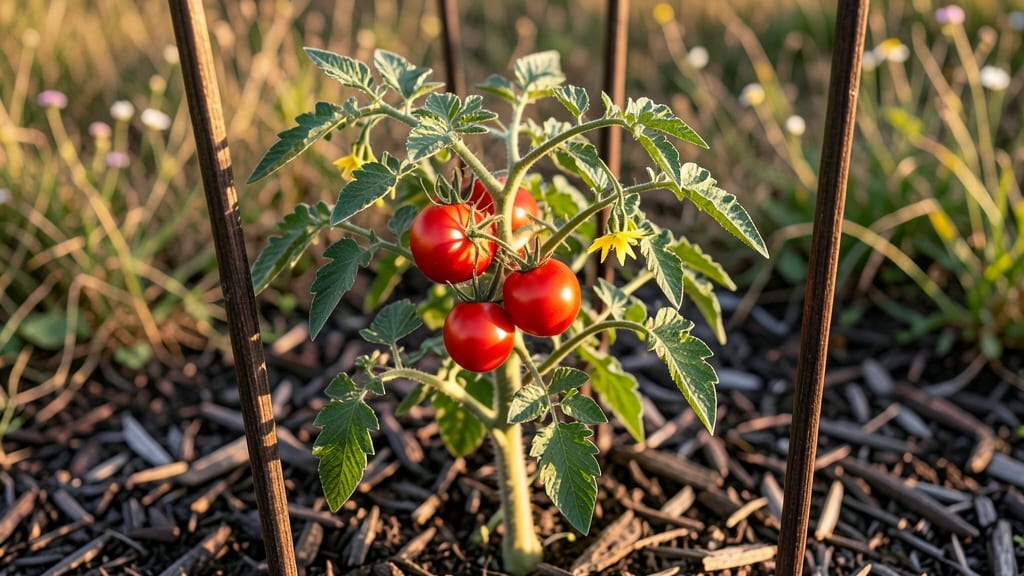
Growing Bush Steak tomato plants means never running out of homegrown tomatoes again—these plants keep producing until frost, and I’ve learned three pruning tricks that double their yield. The secret lies in how you shape them early, turning a single plant into a six-foot-tall harvest machine that outlasts most varieties.
These tomatoes thrive in full sun and well-draining soil, but the real magic happens with pruning. Start by removing the suckers—the little shoots between stems and leaves—and focus on keeping the main stems strong.
Once established, they’ll reward you with pound-after-pound of meaty, flavorful fruit all season long, even in small spaces. My first Bush Steak plant gave me enough tomatoes to share with neighbors, and that was just one plant!
You’ll end up with tomatoes so juicy and beefy they’ll make store-bought ones taste bland. The key is consistency: water deeply once a week, prune every two weeks, and watch as your plant grows taller and more productive with each passing week.
These plants are tough too—disease-resistant and heat-tolerant, so they handle summer’s worst without fuss.
Perfect for containers, raised beds, or in-ground gardens, Bush Steak tomatoes adapt to almost any growing setup. Whether you’re a beginner or a seasoned gardener, these tricks will turn your harvest into something legendary. Let’s get those plants growing!
📚 In This Guide
- What you need
- Instructions
- Tips and common mistakes
- Wrapping up and next steps
What you need
- ● Bush steak tomato seeds or seedlings: Choose disease-resistant varieties like 'Mountain Merit' or 'Better Boy' (2-4 plants per gardener).
- ● Well-draining potting mix: 5-10 gallons, enriched with compost (look for a blend labeled for vegetables).
- ● Containers or garden bed: Containers: 5-gallon pots or larger (1 plant per container).
- ● Garden bed: Full sun (6+ hours/day) with loose, fertile soil.
- ● Fertilizer: Balanced 10-10-10 or tomato-specific fertilizer (follow package rates).
- ● Pruning shears: Sharp, clean pair to trim suckers and shape plants.
- ● Support stakes or cages: 4-6 ft tall (1 per plant for bush varieties).
- ● Mulch: Straw or shredded leaves (2-3 inches) to retain moisture.
- ● Drip irrigation or watering can: For consistent moisture (avoid wetting leaves).
- ● Grow lights for indoor starts or extending the season.
- ● Epsom salt (1 tbsp/month) for magnesium boosts.
- ● Row covers or shade cloth for protection from pests/heat.
- ● pH test kit (ideal soil pH: 6.0–6.8 for tomatoes).
Instructions for pruning Bush Steak tomato plants for maximum yield
Here's how to coax the most flavorful fruit from your Bush Steak plants all season long.
Prepare for Planting with Proper Spacing
Bush Steak tomatoes thrive when given room to breathe, so plant your four starts at least 24 inches apart in rows spaced 3 feet apart. This spacing prevents overcrowding, which leads to poor air circulation and disease. I always dig a hole twice as wide as the root ball to encourage roots to spread outward immediately.
Work the 2 gallons of compost into the bottom of each hole before placing the plant. This gives roots an instant nutrient boost. Gently press the surrounding soil to remove air pockets but don't compact it—roots need loose soil to penetrate easily. Water deeply right after planting to settle the soil and eliminate gaps.
Remove Suckers Early for Bush Growth
Start pruning when plants reach 18 inches tall—this is when you'll see the first sucker growths in the leaf axils. These small shoots between the main stem and branches compete for energy with your fruit. Pinch them off with your fingers or clean pruners, leaving no stub. I always work in the morning when plants are turgid and less likely to stress from handling.
Focus on removing suckers below the first 6 inches of the main stem. This encourages the plant to put energy into developing a strong central trunk rather than multiple weak branches. After your first round, check weekly—new suckers appear fast during warm weather. Strong pruning now means bigger fruit later.
Prune for Airflow and Fruit Production
When plants reach 36 inches tall, it's time for your second pruning phase. Remove any branches growing below the first 12 inches of the plant—they'll never get enough light to produce fruit. Also trim back any branches that cross each other, as this creates rubbing points that lead to disease. I use sharp pruners to make clean cuts just above a leaf node.
Leave only the top 4-5 main branches on each plant. These will bear the majority of your fruit. The reason we limit branches is simple: Bush Steak tomatoes put all their energy into fewer, larger fruit when they're not supporting excessive foliage. After pruning, give plants a light application of 1 tablespoon of balanced fertilizer to compensate for the energy used in growth.
Maintain Through Harvest Season
Continue weekly pruning checks throughout the season. Remove any yellowing leaves immediately—they're energy drains and disease magnets. Also watch for "blind" growth at the top of the plant. If you see new shoots forming where you want fruit to set, pinch them off. This keeps the plant focused on producing rather than growing more leaves.
As fruit begins to form, reduce pruning to just removing diseased or dead growth. The goal now is to preserve the plant's energy for ripening fruit. I always harvest in the morning when tomatoes are coolest and firmest. This encourages the plant to produce new flowers for continuous harvests. With proper pruning, your four plants can produce 20-30 pounds of tomatoes over the season.
Tips & tricks for pruning Bush Steak tomato plants
Mastering these pruning techniques will transform your tomato harvest from ordinary to extraordinary.
Timing is Everything: In Step 2, when your plants reach 18 inches tall, don't wait to start pruning. Those first suckers grow fast and can quickly divert energy from fruit production. I've seen plants go from healthy to stressed in just 3 days if suckers aren't removed promptly. The key is consistency—check weekly after that initial pruning, especially during warm weather when new suckers appear rapidly. Remember, every sucker you remove now means a bigger tomato later.
Pruning Technique Matters: When you reach Step 3 at 36 inches tall, use sharp pruners to make clean cuts just above a leaf node. This prevents disease entry points and encourages new growth from the right spot. I learned this the hard way—my first year I made jagged cuts that led to fungal issues. Also, never leave stubs when pinching suckers in Step 2. That tiny bit of stem can regrow and create more work for you later. The goal is to remove the entire sucker without damaging the main stem.
Fertilizer Timing: After your Step 3 pruning, that 1 tablespoon of balanced fertilizer becomes crucial. The plant has just lost some foliage and needs nutrients to compensate. I always apply it in the morning when the soil is cool and moist, which helps the roots absorb it better. This is also a good time to water deeply—about 1 gallon per plant—to help the fertilizer reach the roots. The fertilizer won't work if it just sits on the surface.
Harvest Strategy: The morning harvest tip in Step 4 isn't just about convenience—it's about quality. Tomatoes picked in the morning are cooler and firmer, which means they'll last longer in your kitchen. Plus, harvesting early encourages the plant to produce new flowers for continuous harvests. I've found that plants pruned according to these steps can produce fruit for months longer than unpruned plants. The secret is maintaining that balance between pruning and preserving the plant's energy for fruit production.
Pro Tips for Bushsteak Tomato Plants
- Mastering these pruning techniques will transform your tomato harvest from ordinary to extraordinary.
- Timing is Everything: In Step 2, when your plants reach 18 inches tall, don't wait to start pruning.
- Pruning Technique Matters: When you reach Step 3 at 36 inches tall, use sharp pruners to make clean cuts just above a leaf node.
Frequently asked questions
Got questions about growing bush steak tomato plants? You’re not alone! Here are answers to the most common queries—from timing to troubleshooting—so you can grow like a pro.
When is the best time to plant bush steak tomatoes?
For indoor starts, sow seeds 6–8 weeks before your last frost date. Transplant outdoors after soil warms to 55–65°F (13–18°C) and nighttime temps stay above 50°F (10°C). In warm climates, direct-sow seeds in early spring or late summer for a fall harvest. Pro tip: Use black plastic mulch to speed up soil warming!
How often should I prune bush steak tomatoes?
Bush steak tomatoes are determinate, meaning they don’t need heavy pruning—but a little goes a long way! Remove suckers (side shoots) weekly to improve airflow and reduce disease risk. Trim lower leaves touching the soil to prevent rot. Stop pruning once fruit sets to avoid stressing the plant.
Why aren’t my bush steak tomatoes ripening?
Common culprits include cool temps (<55°F/13°C), poor pollination, or overwatering. Try these fixes:
- Move plants to a sunny spot (6+ hours of light).
- Gently shake plants daily to boost pollination.
- Water at the base deeply but infrequently (1–1.5 inches/week).
- Use a tomato cage for support if overloaded.
Can I grow bush steak tomatoes in containers?
Choose a 5-gallon+ pot with drainage holes and fill with lightweight potting mix. Place containers in full sun and water consistently. Container-specific tips:
- Use self-watering pots to prevent drought stress.
- Avoid overcrowding—stick to 1 plant per container.
- Fertilize every 2–3 weeks with a balanced tomato feed.
What’s the best way to harvest bush steak tomatoes?
Pick tomatoes when they’re fully colored and slightly soft to the touch. Use scissors or pruners to avoid damaging the plant. Twist gently if stems snap easily. Harvest every 2–3 days to encourage more production. Storage tip: Keep unripe tomatoes at room temp; refrigerate only after fully ripe to preserve flavor.
Wrapping up and next steps
Growing bush steak tomato plants is a rewarding journey that brings fresh, flavorful tomatoes straight to your table—no matter the season! With the right pruning tricks, you’ll enjoy a year-round harvest while keeping your plants healthy and productive. 🌱
Ready to take the next step? Start by selecting your favorite variety, gathering your tools, and applying these pruning techniques. Before you know it, you’ll be savoring homegrown tomatoes like a pro. Happy gardening! 🍅✨